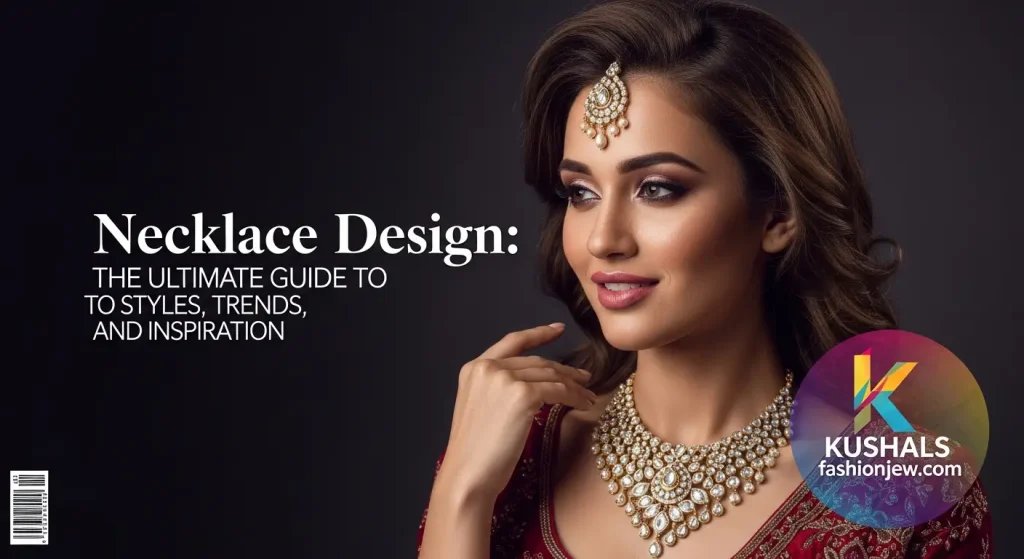
Necklaces have been an essential part of jewellery for centuries, admired for their beauty, elegance and ability to reflect individual personality and style. Whether worn as a simple everyday accessory or chosen as a statement piece for a special occasion, the right necklace can enhance an outfit and add a distinctive touch to your overall appearance. Understanding necklace design can help you make better choices based on your personal style, outfit, occasion and jewellery preferences.
From traditional handcrafted pieces featuring intricate details to modern minimalist designs with clean and simple patterns, necklaces are available in countless styles. Different materials, gemstones, chains, pendants, lengths and decorative elements can all influence the overall look of a necklace. This variety makes it easy to find designs that suit different fashion tastes and occasions.
The Evolution of Necklace Design
Necklace design has a long and fascinating history, evolving across different cultures and centuries. In ancient civilisations, necklaces were often worn to represent status, spirituality, protection and wealth. The Egyptians, for example, used gold, precious stones and amulets to showcase prosperity and provide symbolic protection. In many African and Asian communities, beads, shells and natural materials were crafted into necklaces with deep cultural meaning.
Today, necklace design has evolved with modern fashion and technology. Designers use a variety of materials, including metals, gemstones, natural stones and synthetic elements, to create unique styles. Advanced craftsmanship has also made it possible to produce intricate and innovative designs.
Read Also: jewellery set
Key Elements of Necklace Design
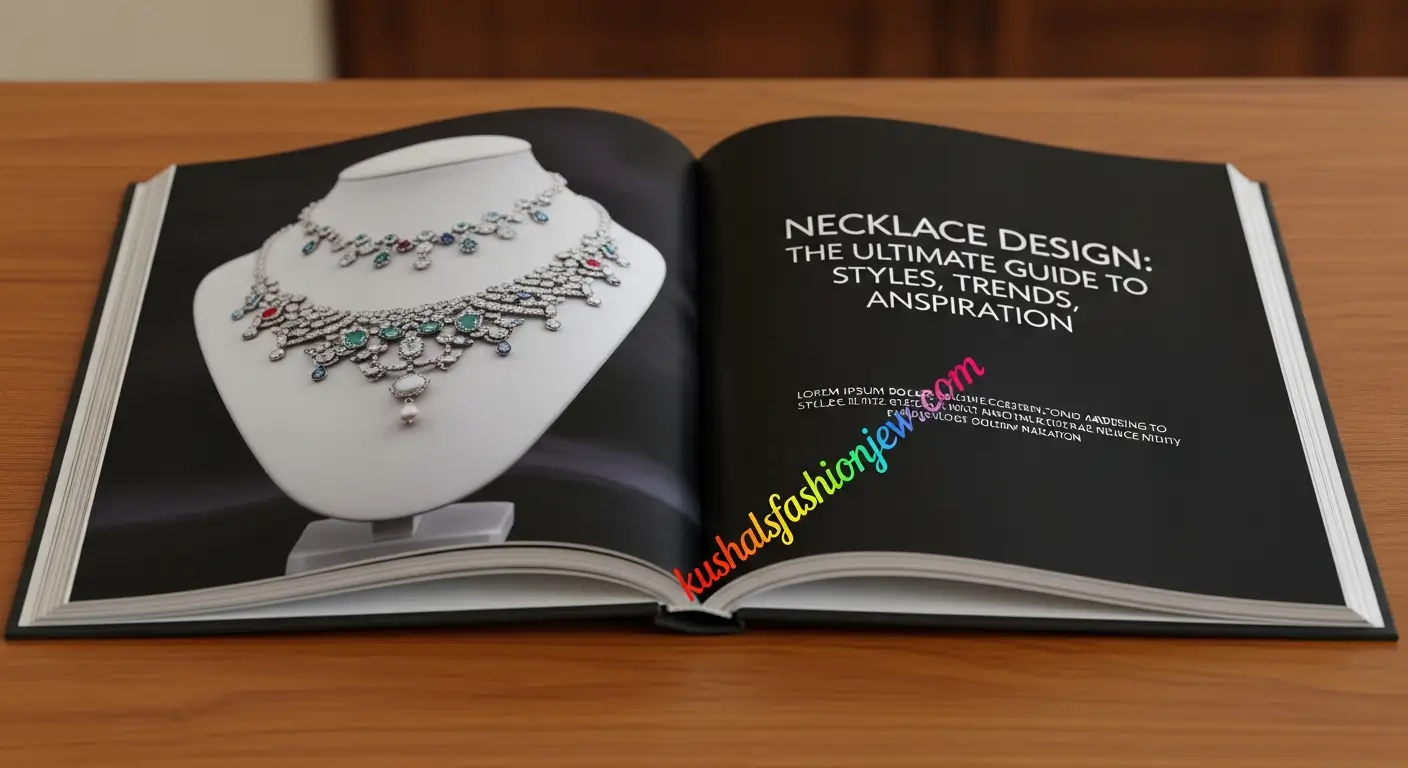
Understanding the key elements that make a necklace attractive is important for both jewellery designers and buyers. A thoughtfully designed necklace combines materials, shape, length, style and functionality to create a balanced and visually appealing piece. Each element plays a role in determining how the necklace looks, feels and complements the person wearing it.
Materials Used in Necklace Design
Necklaces can be made from a wide variety of materials, with each option offering its own unique appearance, texture, durability and character. The material selected can greatly influence the overall style of a necklace, making it suitable for everything from everyday wear to formal occasions.
Common materials used in necklace design include:
- Precious Metals: gold, silver and platinum are popular for their elegance, durability and timeless appeal.
- Gemstones: diamonds, rubies, emeralds and sapphires can add colour, sparkle and a luxurious touch to a necklace.
- Natural Materials: pearls, shells, wood and coral are often used to create distinctive designs with a natural and traditional feel.
- Synthetic Materials: resin, acrylic and glass beads offer affordable and versatile options for creating colourful and creative designs.
The choice of material affects a necklace’s appearance, durability, style, comfort and overall value. By selecting the right combination of materials, designers can create pieces that match different fashion preferences, occasions and budgets.
Shapes and Forms
The shape and structure of a necklace play an important role in its overall style, comfort and visual appeal. Designers use geometric patterns, smooth curves, delicate lines and asymmetrical forms to create unique looks that suit different fashion preferences and occasions. The right shape can also influence how a necklace sits around the neckline and how well it complements different outfits.
Common necklace shapes and styles include:
- Round and Oval Chains: classic shapes that offer a simple and versatile appearance for everyday wear.
- Chokers and Collars: shorter styles that sit closely around the neck and create a bold, modern look.
- Long Pendant Chains: extended necklaces featuring a decorative pendant, often used to add an elegant focal point to an outfit.
- Lariat and Layered Necklaces: stylish designs that create added dimension and visual interest through length, layering or hanging elements.
The shape and structure of a necklace can significantly affect how it rests on the neck, frames the neckline, complements an outfit and enhances the wearer’s overall appearance. Choosing the right style can help create a balanced look that matches both the occasion and personal taste.
Length and Proportion
Necklace length plays an important role in jewellery design because it influences the overall balance, appearance, comfort and visual appeal of a piece. Different lengths sit at different points on the body, making them suitable for various necklines, outfits and occasions. Understanding these standard lengths can help you choose a necklace that complements your personal style.
Common necklace lengths include:
- Choker (14–16 inches): sits closely around the neck and creates a stylish, defined look. It can work well with evening outfits, open necklines and modern fashion styles.
- Princess (17–19 inches): falls around the collarbone and is one of the most versatile necklace lengths, making it suitable for casual, business and semi-formal outfits.
- Matinee (20–24 inches): usually reaches the upper bust area and adds an elegant touch to professional, business or sophisticated attire.
- Opera (28–34 inches): falls below the bust and is often worn with formal dresses and gowns. It can also be layered for a more fashionable appearance.
- Rope (36+ inches): provides a long and dramatic look and can be wrapped, doubled, knotted or layered in different ways to create multiple styles.
The right necklace length does more than determine how long a piece is. It can affect how the necklace complements the neckline, balances the outfit, frames the face and enhances the wearer’s overall appearance and personal style. By considering the occasion, clothing and desired look, you can select a length that works naturally with your outfit.
Functionality and Comfort
A well-designed necklace should combine style, comfort and functionality to create a piece that is both attractive and practical. While appearance is important, a necklace should also be easy to wear, secure and comfortable for extended periods. Small design details can make a significant difference in the overall wearing experience.
Popular Necklace Styles in Modern Design
Necklace trends continue to evolve as fashion preferences, materials and jewellery-making techniques change over time. While new styles regularly appear, many classic necklace designs remain popular because of their timeless appeal and versatility. From simple everyday pieces to bold statement jewellery, there are options to suit a wide range of personal styles and occasions.
Pendant Necklaces
Pendants are decorative elements attached to a chain and often serve as the main focal point of a necklace. They can add personality, meaning, elegance and visual interest while allowing the wearer to express their individual taste. Pendant designs range from simple and understated pieces to detailed styles featuring gemstones, symbols or personalised elements.
Popular pendant styles include:
- Gemstone Charms: feature colourful or sparkling gemstones that add a decorative and luxurious touch.
- Lockets: classic pendants that can hold small photographs or meaningful keepsakes, making them especially personal.
- Symbolic Figures: include hearts, stars, crosses, flowers, animals and other shapes that can represent different meanings or interests.
- Monograms and Initials: personalised designs featuring letters or initials, making the necklace feel unique and meaningful to the wearer.
With so many shapes, materials and customisation options available, pendant necklaces can be easily adapted to suit different outfits, occasions, personalities and personal preferences.
Chokers
Chokers are necklaces designed to fit closely around the neck, creating a stylish, defined and modern appearance. They have remained popular across different fashion eras and have gained renewed attention because of their versatility and ability to complement both casual and formal outfits. Depending on the design, a choker can create anything from a simple and delicate look to a bold statement style.
Layered Necklaces
Layered necklaces feature multiple chains or strands arranged at different lengths, creating depth, texture and visual interest. This style adds dimension to an outfit while allowing you to combine different necklace designs in a coordinated way. Layered necklaces can range from simple combinations of delicate chains to more detailed arrangements featuring pendants, charms, beads and gemstones.
Statement Necklaces
Statement necklaces are bold, eye-catching accessories designed to stand out and become the main focal point of an outfit. Unlike simple and delicate necklaces, statement pieces often feature larger elements, intricate patterns and distinctive shapes that immediately draw attention. They are especially popular for those who want to add personality and a fashionable touch to their overall appearance.
Beaded Necklaces
Beaded necklaces are known for their relaxed, creative and often bohemian-inspired style. They can be made using a wide range of materials, including wood, glass, natural stones, ceramic, acrylic and plastic. The variety of colours, shapes, sizes and textures makes beaded necklaces highly versatile and suitable for many different fashion preferences.
Lariat Necklaces
Lariat necklaces are long, elegant and open-ended designs that do not typically feature a traditional clasp. Instead, they can be tied, looped, wrapped or adjusted in different ways to create a variety of looks. Their flexible structure makes them a versatile addition to any jewellery collection and allows the wearer to style the necklace according to the outfit or occasion.
Understanding Necklace Craftsmanship
Necklace design is about more than appearance alone; quality craftsmanship plays an important role in creating pieces that are durable, comfortable and attractive over time. A well-made necklace should not only look beautiful but also withstand regular wear while maintaining its shape, finish and overall appeal.
Handcrafted vs Machine-Made
Handcrafted and machine-made necklaces each offer different advantages, depending on the desired style, quality and production requirements. Handcrafted necklaces are often valued for their unique designs, detailed workmanship and artisanal character. Since they are made with greater individual attention, handcrafted pieces can include intricate details, customised elements and subtle variations that give each necklace a distinctive appearance.
Chain Techniques
Chains form the foundation of many necklace designs and play an important role in determining a piece’s appearance, strength, flexibility and overall style. Different chain patterns are created by arranging links in specific shapes and structures, giving each type its own distinctive look. Choosing the right chain can also affect how well a necklace supports pendants and other decorative elements.
Common types of necklace chains include:
- Cable Chain: made with simple, interlocking links, this classic style is known for its strength, durability and versatility. It works well for both everyday necklaces and pendant designs.
- Rope Chain: features links twisted together to create a rope-like appearance. Its textured and reflective surface gives the necklace an elegant and eye-catching look.
- Box Chain: consists of square-shaped links connected closely together, creating a smooth and sturdy structure. It offers a modern appearance while providing good flexibility and durability.
- Figaro Chain: features an alternating pattern of short and longer links, creating a distinctive and stylish appearance. It is commonly used for both simple necklaces and statement designs.
Each chain style offers a different combination of visual appeal, durability, flexibility and versatility, making it important to consider the purpose and overall design of the necklace when selecting a chain.
Setting and Embellishments
Stone settings play an important role in a necklace’s durability, security and overall appearance. A well-chosen setting keeps gemstones firmly in place while also influencing how much light reaches the stone and how prominently it appears within the design. Different setting techniques can create everything from a classic and elegant look to a highly detailed and sparkling finish.
Popular necklace settings include:
- Prong Setting: uses small metal claws to hold a gemstone securely in place while leaving much of the stone exposed for better visibility and sparkle.
- Bezel Setting: surrounds the gemstone with a protective metal rim, providing a secure structure and a smooth, modern appearance.
- Channel Setting: places multiple stones closely together within a metal channel, creating a continuous and refined row of sparkle.
- Pavé Setting: features small gemstones set closely together across the surface, producing a bright and shimmering appearance.
These setting techniques not only secure gemstones and decorative elements but also contribute to the necklace’s style, protection and visual appeal. Choosing the right setting can help create a piece that combines beauty with lasting functionality.
Necklace Design Trends for 2025
As fashion trends continue to change, necklace designs also evolve to reflect new materials, styles, colours, patterns and creative ideas. Designers constantly experiment with different combinations of textures, shapes, gemstones, metals and decorative elements to create pieces that match changing fashion preferences. This ongoing innovation allows necklaces to remain both fashionable and relevant across different seasons and occasions.
Minimalist Designs
Minimalism continues to be a popular trend in jewelry, with simple, refined and elegant designs attracting people who prefer a more understated style. Minimalist necklaces often focus on clean lines, subtle details and lightweight construction rather than bold or elaborate decorations.
Mixed Materials
Modern jewellery designers are increasingly experimenting with different materials to create distinctive and eye-catching necklace designs. By combining precious metals, natural stones, beads, glass, resin and other synthetic materials, designers can introduce a variety of textures, colours, shapes and finishes into a single piece.
Personalised Jewellery
Personalised necklaces featuring initials, names, important dates, meaningful symbols or special messages have become increasingly popular. These customised pieces offer a unique way to make jewellery more personal and meaningful, allowing wearers to carry something that represents an important person, memory, relationship or milestone.
Statement Layers
Layering continues to be a popular trend in modern jewellery, with multiple necklaces, chains and pendants worn together to create a stylish and personalised appearance. This approach allows wearers to combine different pieces and experiment with various combinations rather than relying on a single necklace.
Eco-Friendly and Sustainable Designs
Sustainable and eco-friendly jewellery is becoming increasingly popular as more consumers pay attention to how their accessories are made and where their materials come from. Many shoppers are showing greater interest in necklaces created with recycled metals, responsibly sourced gemstones, natural materials and sustainable production methods.
How to Choose the Perfect Necklace Design
Choosing the right necklace depends on several factors, including personal style, occasion, outfit, comfort and budget. With so many designs, lengths, materials and styles available, considering these elements can make it easier to find a necklace that suits your preferences and complements your overall appearance.
Matching with Outfit
- Different occasions often call for different necklace styles. Choosing a design that matches the setting and outfit can help create a balanced and polished appearance.
- Casual Wear: layered necklaces, beaded designs, simple chains or small pendants can add a relaxed and stylish touch to everyday outfits.
- Formal Wear: statement necklaces, elegant chokers or gemstone designs can create a more sophisticated appearance and complement dresses and evening attire.
- Office Wear: delicate chains, subtle pendants or mid-length necklaces are suitable for professional outfits, offering a polished look without being overly bold.
Selecting a necklace based on the occasion allows you to combine style, comfort and practicality while ensuring the piece complements your overall outfit.
Considering Neckline
The necklace design should complement the neckline of your clothing to create a balanced and coordinated appearance. Choosing a necklace that follows or contrasts with the shape of the neckline can help frame the face and enhance the overall outfit. The right combination can also prevent the jewellery from looking crowded or disconnected from the clothing.
For example:
- V-Neck: pendant necklaces and lariat styles work well because their longer, downward shape follows the natural lines of the neckline.
- Boat Neck: short chokers, collar necklaces or delicate close-fitting designs can complement the wide horizontal shape of the neckline.
- Off-Shoulder: statement necklaces, layered chains or bold pendants can help fill the open neckline and create an eye-catching focal point.
Considering both the necklace shape and clothing neckline can make it easier to create a polished look that feels stylish and well balanced.
Budget and Material
When choosing a necklace, it is important to consider the quality, durability, appearance and price of the material. Different materials offer different benefits, so the right choice depends on your personal preferences, how often you plan to wear the necklace and your budget.
Caring for Your Necklaces
Proper care and maintenance can help keep your necklace clean, shiny, durable and in good condition for a longer period. Regular cleaning, careful storage and gentle handling can prevent unnecessary damage and help preserve the necklace’s original appearance.
- Cleaning: clean your necklace gently with mild soap, lukewarm water and a soft cloth when appropriate for the material. Avoid harsh chemicals, abrasive cleaners and rough fabrics, as they may damage the metal, gemstones or finish.
- Storage: store necklaces separately in a jewellery box, pouch or designated compartment to help prevent tangling, scratches and contact with other pieces. Keeping jewellery in a dry place can also help protect certain materials from moisture and tarnishing.
- Handling: handle necklaces carefully and avoid pulling, twisting or bending delicate chains. It is also a good idea to remove jewellery during exercise, sports, swimming or other physical activities where it could catch, break or become damaged.
With these simple care practices, you can help maintain your necklace’s beauty, quality and durability and enjoy wearing it for years to come.
Common Necklace Materials and Care Tips
| Material | Care Instructions | Longevity |
| Gold | Wipe with a soft cloth, avoid chemicals | Very long |
| Silver | Store in an anti-tarnish bag, polish regularly | Long |
| Pearls | Wipe after wear, keep away from acids | Medium |
| Beads | Clean with a damp cloth, avoid water soaking | Long |
| Resin/Acrylic | Avoid heat, clean with mild soap | Medium |
“Caring for your necklace is as important as choosing the right design.”
The Future of Necklace Design
The future of necklace design is expected to bring together advanced technology and traditional craftsmanship, creating new possibilities for both style and functionality. Innovations such as 3D printing, wearable technology, digital design tools and smart jewellery are allowing designers to experiment with new shapes, materials, features and customised designs.
Frequently Asked Questions
What is the most popular necklace design today?
Layered necklaces and minimalist pendants are currently the most sought-after designs, offering versatility for casual and formal wear.
How do I choose the right necklace length?
Consider your outfit and neckline. Chokers suit high collars, princess length fits most tops and opera-length chains are ideal for evening wear.
Are handmade necklaces better than machine-made ones?
Handmade necklaces offer uniqueness and craftsmanship, while machine-made ones provide consistency and affordability for customers. Choosing depends on personal preference and budget.
How can I mix metals in a necklace design?
Combining gold, silver and rose gold creates contrast. Layering different chains or using mixed-metal pendants is stylish and modern.
How do I care for gemstone necklaces?
Avoid harsh chemicals, clean gently with a soft cloth and store separately to prevent scratches or damage.
Conclusion
Necklace design brings together artistry, craftsmanship, creativity and personal expression. From traditional handcrafted pieces inspired by cultural heritage to modern designs shaped by changing fashion trends and technology, necklaces continue to hold an important place in jewellery and personal style. Understanding different materials, shapes, lengths, chains, settings and styles can help both designers and buyers make informed choices and find pieces that suit their individual preferences.
As necklace trends continue to evolve, options such as minimalist designs, layered chains, statement pieces, sustainable materials and personalised jewellery provide something for every taste and occasion. Choosing the right necklace involves considering factors such as the outfit, neckline, occasion, comfort, material and budget.