Bangles have been a part of human culture for thousands of years and remain a popular form of jewellery around the world. These circular, rigid bracelets are traditionally worn around the wrist and are valued for their beauty, cultural significance, and ability to express personal style. From weddings and festivals to everyday wear, bangles continue to hold a special place in fashion and tradition.
Unlike flexible bracelets, bangles maintain their shape and are designed to slide over the hand. Although they may appear simple, they carry deep cultural meaning and reflect centuries of traditions, beliefs, craftsmanship, and artistic creativity passed down through generations.
History of Bangles
Ancient Origins of Bangles
Bangles are one of the oldest types of jewellery known to humans, with a history dating back thousands of years. Archaeological evidence suggests that bangles were worn as early as 2600 BCE during the Indus Valley Civilization. Early bangles were crafted from materials such as shell, clay, copper, bronze, and terracotta, reflecting the creativity and craftsmanship of ancient societies.
In ancient cultures, bangles were often believed to offer protection, attract good fortune, and keep negative energy away. They were worn by both men and women, while their designs, materials, and styles often differed according to cultural traditions and social status.
Bangles in Early Civilizations
In ancient Egypt, bangles crafted from gold and precious gemstones were often associated with wealth, status, and power. In Mesopotamia, they served as important symbols of social standing, while in South Asia, bangles became closely connected with femininity, marriage, and traditional customs.
As time passed, bangles continued to evolve in their designs, materials, and cultural significance. Different civilizations introduced their own artistic styles and traditions, transforming bangles into meaningful cultural symbols that remain popular and admired around the world today.
Read Also: necklace for women
Cultural Significance of Bangles
Bangles in South Asian Culture
In South Asian countries such as India, Pakistan, Bangladesh, and Sri Lanka, bangles have strong cultural and traditional significance. They are closely connected with womanhood, marriage, prosperity, and important family celebrations. Their colors, designs, and materials may vary across different regions, but their cultural importance remains deeply rooted.
For married women, bangles are often regarded as symbols of good fortune, happiness, and the long life of their husbands. In many South Asian traditions, wearing bangles is an important part of bridal attire, and brides are traditionally adorned with beautiful bangles as a symbol of marriage and prosperity on their wedding day.
Symbolism of Bangles
Bangles are worn for more than just their beauty and decorative appeal. Across different cultures and traditions, they carry meaningful symbolism and are often associated with important aspects of life, family, and well-being.
Common beliefs and meanings associated with bangles include:
Continuity of life and marriage: representing lasting relationships, togetherness, and the continuation of family traditions.Breaking bangles is often considered unlucky in traditional beliefs, which is why women prefer to wear them in sets.
Prosperity and happiness: representing good fortune, joy, and abundance.
Protection: traditionally believed to protect the wearer from negative energy.
Fertility and motherhood: symbolizing fertility, family, and the journey of motherhood.
Meaning of Bangle Colors
Importance of Color in Bangles
Colors have an important place in bangle traditions, as different shades are often associated with specific emotions, beliefs, and cultural meanings. The color of a bangle can add symbolic value to its beauty and make it more meaningful for the wearer.
Red bangles are commonly associated with love, strength, passion, and marriage. Green bangles often represent fertility, growth, prosperity, and harmony. Yellow and gold bangles are linked with happiness, positivity, wealth, and good fortune. White bangles may symbolize peace and purity, although in some cultures, they can also be associated with mourning or remembrance.
Regional Color Traditions
Different regions have their own preferences when it comes to bangle colors and combinations, often reflecting local customs and traditions. In Punjabi weddings, red and white bangles are commonly worn as part of the bridal look. In Bengal, traditional white and red bangles made from shell and coral hold special importance for married women. In South India, gold bangles are often preferred, reflecting the region’s strong connection with traditional gold jewellery.
Understanding the cultural meaning of different colors and combinations can help people select bangles that suit the occasion, personal style, and traditional customs. Whether chosen for a wedding, festival, or everyday wear, the right bangle colors can add both beauty and symbolic value.
Materials Used in Bangles
Traditional Bangle Materials
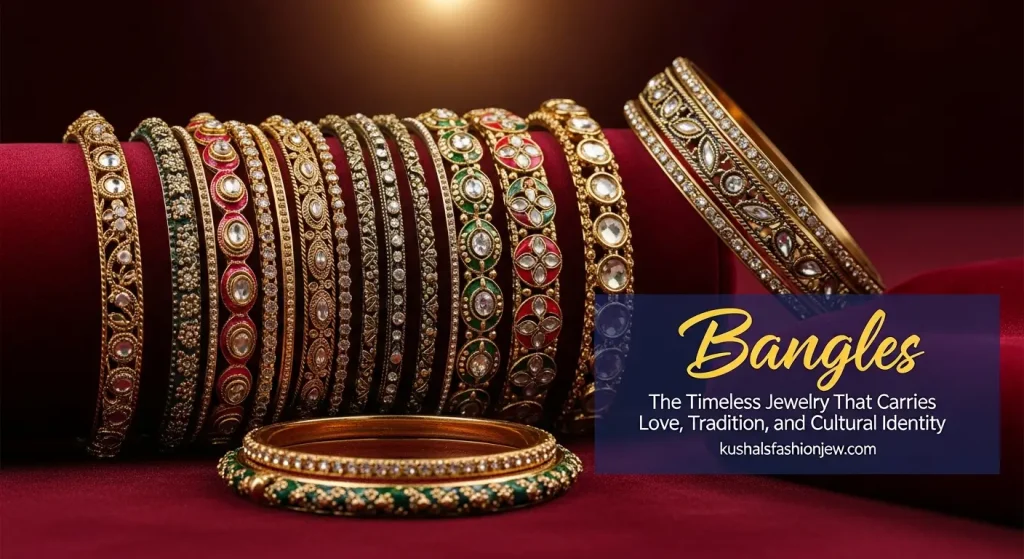
Throughout history, bangles have been made from a variety of materials, with each one offering its own unique appearance, durability, and cultural value. Traditional materials commonly used for bangles include glass, gold, silver, lac, shell, ivory, and wood.
Glass bangles are particularly popular across South Asia because they are colorful, affordable, and create a distinctive sound when worn together. Gold and silver bangles are valued for their durability, timeless appeal, and long-term investment value.
Modern Bangle Materials
As fashion trends continue to evolve, modern materials have also become increasingly popular for making bangles. Common options include plastic, acrylic, resin, stainless steel, and various alloy metals. These materials offer greater flexibility in design while keeping bangles affordable and easy to wear.
Modern bangles are often created to be lightweight, durable, and fashionable, making them suitable for everyday use. They also provide designers with more freedom to experiment with different colors, textures, patterns, and shapes, allowing bangles to complement both contemporary styles and changing global fashion trends.
Types of Bangles
Traditional Bangles
Traditional bangles are inspired by cultural designs and are commonly worn during festivals, weddings, religious celebrations, and other special occasions. Popular examples include glass bangles, gold bangles, lac bangles, and shell bangles, each reflecting the traditions and craftsmanship of its region.
These bangles often feature detailed patterns, decorative elements, and intricate craftsmanship that add to their cultural and symbolic value. Unlike many modern styles, traditional bangles are frequently worn in sets or multiples, creating a distinctive and elegant look while representing cultural heritage and tradition.
Fashion Bangles
Fashion bangles are designed primarily to complement modern styles rather than follow traditional customs. They come in a wide range of designs, including charm bangles, cuff-style bangles, statement pieces, and designer collections. Their varied shapes, patterns, and decorative details make them suitable for different outfits and occasions.
These bangles are often paired with Western and contemporary outfits to create a stylish statement. They offer an easy way to experiment with different looks while allowing individuals to express their personality, creativity, and unique sense of fashion.
Regional Styles of Bangles
Bangles of North India
North Indian bangles are known for their vibrant colors, bold designs, and strong connection with cultural traditions. Punjabi chooda sets, typically featuring red and white bangles, are an important part of bridal jewellery and are traditionally worn by brides. They are often enhanced with stones, embellishments, and gold detailing, giving them a rich and festive appearance.
In Rajasthan, lac bangles are especially popular for their bright colors, intricate patterns, and beautiful mirror work. Their vibrant designs reflect the artistic heritage and colorful culture of the region, making them a distinctive part of traditional Rajasthani jewellery.
Bangles of East India
In Bengal, married women traditionally wear shakha and pola bangles, which are made from shell and coral. These bangles hold strong religious and cultural significance and are widely regarded as symbols of marriage, devotion, and marital commitment.
Although their designs are often simple and elegant, shakha and pola carry deep emotional value. They represent important traditions and remain a meaningful part of Bengali married women’s jewellery and cultural identity.
Bangles of South India
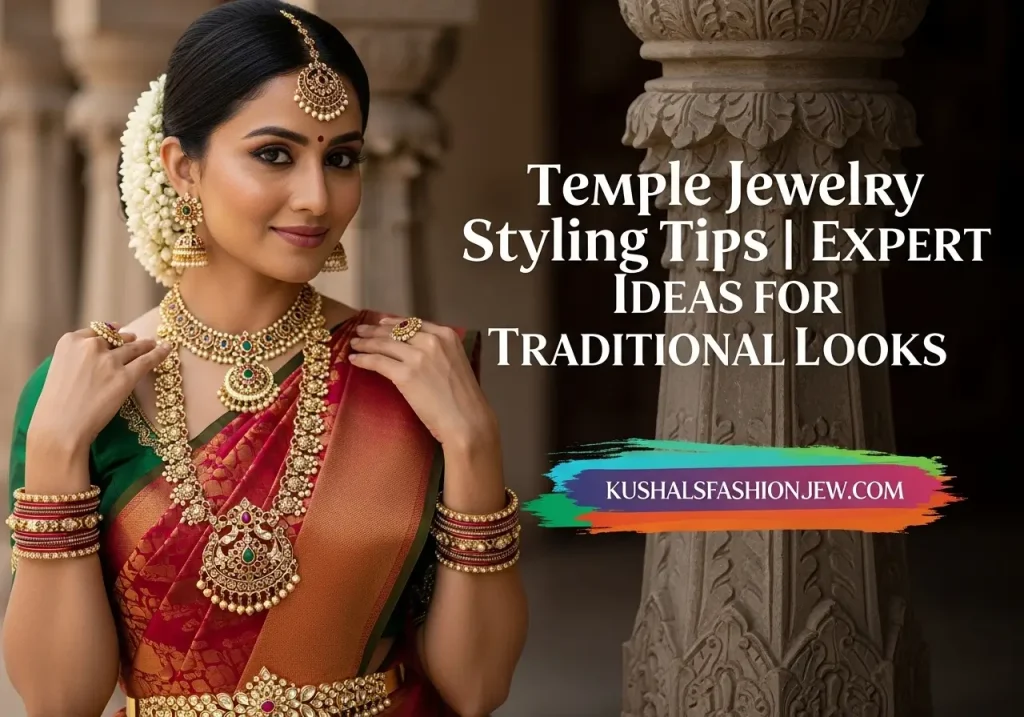
South Indian bangles are traditionally known for their elegant gold craftsmanship and cultural significance. They often feature intricate temple-inspired designs, floral patterns, traditional motifs, and detailed engravings that reflect the region’s rich artistic heritage.
Gold bangles are considered auspicious and are commonly worn during weddings, festivals, and other important occasions. Because of their lasting value and sentimental importance, they are also frequently passed down from one generation to another as cherished family heirlooms.
Bangles of West India
In Gujarat and Maharashtra, bangles are an important part of traditional jewellery and are commonly worn during festivals such as Navratri, as well as weddings and other celebrations. In Maharashtra, green glass bangles are especially popular among married women and are often associated with prosperity, happiness, and marital traditions.
Each region brings its own unique designs, colors, materials, and customs to bangle traditions. This regional diversity gives bangles a rich cultural identity while preserving the artistic heritage and traditions of different communities.
Bangles in Weddings
Bridal Bangles
Bangles hold an important place in wedding ceremonies and are often considered an essential part of bridal jewellery. Bridal bangles are carefully selected to complement the bride’s outfit while also reflecting her cultural traditions, regional customs, and wedding rituals.
In many traditions, bangles are gifted to the bride by family members as a meaningful blessing for her married life. They symbolize love, affection, support, happiness, and the continuation of family values and traditions from one generation to the next.
Post-Wedding Traditions
In some cultures, brides are traditionally expected to wear their wedding bangles for a certain period after marriage. Removing them before the customary time may be considered inauspicious or disrespectful to the tradition. The duration and customs can vary depending on the community and region.
These practices show that bangles are more than decorative jewellery. They carry deep emotional and cultural significance, representing marriage, commitment, love, and the continuation of traditional values in a couple’s married life.
Bangles in Modern Fashion
Bangles as Style Statements
In today’s fashion world, bangles are no longer limited to traditional outfits or special occasions. They can be styled with casual clothing, office wear, party outfits, and even modern Western dresses. This versatility has made bangles a popular accessory for people with different fashion preferences.
Minimalist bangles, metallic cuffs, and layered styles are especially popular among younger generations. By combining traditional charm with contemporary designs, modern bangles have become versatile fashion accessories that can enhance almost any outfit while allowing individuals to express their personal style.
Celebrity Influence on Bangles
Celebrities and social media influencers often play an important role in shaping modern bangle trends. Their fashion choices and jewellery styling inspire people to explore new designs, colors, and creative combinations. By showcasing bangles with different outfits, they help introduce traditional jewellery to modern audiences and encourage more people to experiment with their personal style.
How to Choose the Right Bangles
Choosing Bangles by Occasion
Different occasions call for different styles of bangles, depending on the outfit, event, and cultural setting. Traditional celebrations are often best suited to classic cultural designs, while casual outings offer more freedom to experiment with modern and trendy styles.
Gold and glass bangles are popular choices for weddings, festivals, and other special occasions because of their elegant and festive appeal. For everyday wear, simple metal, resin, or minimalist bangles can be a practical choice, offering comfort and style without looking overly elaborate.
Choosing Bangles by Wrist Size
Choosing the right bangle size is essential for both comfort and ease of movement. Bangles that are too tight may feel uncomfortable and restrict movement, while overly loose bangles can slide around or fall off easily.
Measuring the wrist or hand size accurately before purchasing helps ensure a comfortable and secure fit. Selecting the correct size not only improves the wearing experience but also allows the bangles to sit naturally and look more elegant on the wrist.
Care and Maintenance of Bangles
Cleaning Bangles Properly
Different bangle materials require different care and cleaning methods to maintain their appearance and durability. Gold and silver bangles can be gently cleaned and polished with a soft, clean cloth to remove dust and maintain their shine. Glass bangles should be handled carefully and stored safely to prevent scratches, chips, or accidental breakage.
It is also important to keep bangles away from harsh chemicals, perfumes, and abrasive cleaning products, as these can damage their surface or affect their finish. Proper care and storage can help keep bangles looking beautiful and in good condition for longer.
Storing Bangles Safely
Bangles should be stored carefully in padded jewellery boxes, soft pouches, or separate compartments to protect them from scratches, breakage, and loss of shine. Keeping different bangles separated also helps prevent them from rubbing against each other and causing damage.
Bangles and Emotional Value
Bangles as Gifts
Bangles are commonly exchanged as gifts during special occasions such as weddings, birthdays, festivals, and other important celebrations. Beyond their decorative appeal, they often carry emotional significance and represent love, affection, blessings, and meaningful relationships.
A gifted bangle can become much more than a piece of jewellery. It may serve as a lasting reminder of a special occasion or the person who gave it, making it a cherished keepsake filled with personal memories and sentimental value.
Heirloom Bangles
Many families preserve special bangles and pass them down from one generation to the next. These heirloom pieces are valued not only for their beauty but also for the memories, emotions, and traditions connected to them.
A family bangle can carry stories of weddings, celebrations, and loved ones from the past. Over time, it becomes a meaningful symbol of family heritage, allowing future generations to remain connected to their history and traditions.
Economic Importance of Bangles
Bangle Industry and Artisans
The bangle industry provides livelihoods for millions of artisans, particularly across South Asia, where traditional bangle-making remains an important part of local economies. Many cities and regions known for bangle production support entire communities through this skilled craft and related businesses.
The art of making bangles is often passed down from one generation to another within artisan families. This helps preserve traditional techniques, craftsmanship, and cultural heritage while allowing these skills to continue evolving with modern designs and changing consumer preferences.
Role in Local Economies
Bangle markets are popular attractions for both local shoppers and tourists, contributing significantly to the economies of communities involved in jewellery production and trade. During festivals, weddings, and other celebrations, the demand for bangles often increases, giving local artisans and sellers valuable opportunities to grow their businesses.
Choosing handmade bangles also helps support traditional artisans and encourages the preservation of skilled craftsmanship. By valuing these products, consumers can contribute to keeping cultural traditions, artistic techniques, and generations-old bangle-making skills alive.
Sustainability and Bangles
Eco-Friendly Bangle Options
As environmental awareness continues to grow, eco-friendly bangles are becoming a popular choice among conscious consumers. Bangles made from materials such as wood, bamboo, and recycled components offer a more sustainable alternative to conventional options while still providing attractive and creative designs.
These sustainable bangles bring together fashion and environmental responsibility. By choosing eco-friendly materials, consumers can enjoy stylish jewellery while supporting more sustainable practices and reducing the environmental impact associated with jewellery production.
Preserving Traditional Crafts
Choosing handmade bangles plays an important role in preserving traditional craftsmanship and age-old jewellery-making techniques. These pieces reflect the skill, creativity, and cultural knowledge passed down through generations of artisans.
Supporting sustainable and handmade bangles also helps traditional craftsmen continue their work and maintain their livelihoods. By making conscious choices, consumers can enjoy unique jewellery while contributing to the preservation of cultural heritage and traditional artistry.
Bangles Across the World
Bangles Beyond South Asia
Bangles are worn across many regions of the world, including Africa, the Middle East, and Western countries, with each culture adding its own unique style and meaning to this timeless accessory. Their designs, materials, and symbolism often reflect local traditions, artistic heritage, and changing fashion trends.
In many African communities, bangles can symbolize social status, cultural heritage, and community identity. In the Middle East, they are often appreciated for their traditional beauty and decorative value, while in Western fashion, bangles are frequently used as stylish statement pieces. This cultural variety demonstrates how bangles have evolved into versatile accessories that can represent both tradition and contemporary fashion.
Global Appeal of Bangles
The worldwide popularity of bangles can be attributed to their simplicity, versatility, and timeless appeal. They are available in a wide range of traditional and modern designs, from delicate and understated pieces to bold and intricately crafted styles. This versatility allows bangles to complement different cultures, occasions, outfits, and individual tastes.
Their enduring presence across cultures shows that bangles are far more than decorative jewellery. They continue to bring together cultural heritage and contemporary fashion, making them a timeless accessory that remains popular and meaningful across generations.
Myths and Beliefs About Bangles
Common Beliefs
Bangles are also associated with a variety of cultural beliefs, traditions, and customs. In some communities, they are believed to protect the wearer from negative influences, while the soft sound they produce is often linked with happiness, positivity, and good fortune. Although these beliefs vary across different cultures and communities, they continue to shape the way bangles are worn, appreciated, and valued.
Cultural Respect
Understanding the beliefs and traditions surrounding bangles allows us to better appreciate the rich cultural practices of different communities. These traditions give bangles a significance that goes beyond their decorative purpose, connecting them with meaningful customs, values, and cultural heritage that have been passed down through generations.
Bangles for Men
Historical Use by Men
In earlier times, bangles were not worn only by women. Men also wore them as symbols of strength, authority, and social status. Warriors and kings were often seen wearing metal bangles as part of their traditional clothing, where these accessories represented their power, position, and cultural identity.
Modern Trends for Men
Today, bangles are also popular among men as fashionable accessories. Leather and metal designs are particularly common, offering a range of styles to suit different personal preferences. Their growing popularity among men reflects how bangles have evolved over time, moving beyond traditional gender boundaries and becoming a versatile accessory for everyone.
Bangles in Art and Literature
Bangles in Poetry and Songs
Bangles have long been featured in poetry, songs, and other forms of artistic expression, where they are often associated with beauty, love, and femininity. Their delicate shine and distinctive sound have inspired artists and writers for generations, adding emotional and cultural meaning to this timeless accessory.
Representation in Visual Arts
Paintings and sculptures have frequently portrayed women wearing bangles, reflecting the accessory’s deep cultural and artistic significance. These artistic representations highlight how bangles have remained an important part of traditional clothing and visual culture across generations.
Future of Bangles
Changing Designs and Technology
Modern technology has made it possible to create more innovative and creative bangle designs. Custom-made bangles and personalized engravings are becoming increasingly popular, allowing people to choose styles that reflect their individual preferences. These advancements are helping bangles adapt to changing trends while ensuring that this timeless accessory remains relevant for future generations.
Balancing Tradition and Fashion
The future of bangles lies in finding the right balance between tradition and modern fashion. By preserving their cultural roots while embracing new designs, materials, and ideas, bangles can continue to evolve without losing their timeless appeal. This combination of heritage and innovation will help keep bangles meaningful and fashionable for generations to come.
Frequently Asked Questions
What are bangles, and how are they different from bracelets
Bangles are rigid circular jewelry pieces worn around the wrist. Unlike bracelets, they do not bend or clasp and usually slide over the hand, giving them a distinct shape and wearing style.
Why are bangles important in South Asian culture?
Bangles symbolize tradition, femininity, prosperity, and marital happiness in South Asian cultures. They are often worn during weddings, festivals, and religious events as signs of good fortune and cultural identity.
Which materials are most commonly used to make bangles
Bangles are commonly made from glass, gold, silver, lac, wood, plastic, and metal alloys. Each material has its own cultural, emotional, and fashion value depending on the occasion and region.
What do different bangle colors represent
Bangle colors have symbolic meanings. Red often represents marriage and love, green symbolizes growth and fertility, yellow shows happiness, and gold represents prosperity and positive energy.
How should bangles be chosen for daily wear?
For daily wear, lightweight bangles made of metal, plastic, or resin are best. They are comfortable, durable, and easy to match with casual or office outfits without causing inconvenience.
How can bangles be stored to avoid damage?
Bangles should be stored in soft-lined boxes or separate compartments. This prevents scratches, breakage, and loss of shine, especially for glass and metal bangles.
Conclusion
Bangles are much more than simple ornaments worn around the wrist. They represent history, culture, emotion, fashion, and identity, carrying different meanings across generations and communities. From ancient civilizations to modern wardrobes, bangles have continued to evolve while retaining their cultural significance. They can symbolize marriage, prosperity, love, tradition, and personal expression, making them meaningful as well as beautiful.
Understanding bangles means appreciating the stories, traditions, and craftsmanship behind them. Whether crafted from glass, gold, wood, or contemporary materials, each bangle reflects a unique blend of creativity and heritage. Wearing and caring for bangles can create a connection with cultural traditions while still leaving room for personal style and creativity. In this way, bangles remind us that beauty is not only something we see, but also something we experience, hear, and pass down through generations.