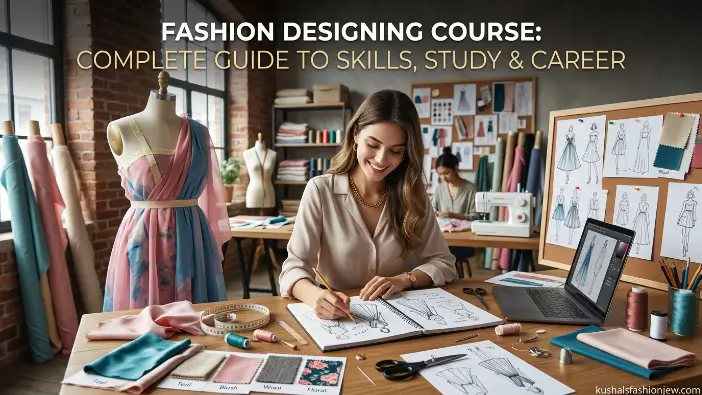
A Fashion Designing Course is a creative and professional study program for students who want to build a career in the fashion industry. It focuses on teaching how to design clothes, understand fabrics, create patterns, and turn ideas into stylish outfits that match modern trends. This course is ideal for anyone who has a passion for creativity, style, and innovation in clothing.
In today’s fast-growing fashion world, demand for skilled designers is increasing in clothing brands, boutiques, and online fashion businesses. A Fashion Designing Course not only develops your artistic skills but also teaches technical knowledge such as garment construction, textile knowledge, and fashion marketing. This makes it a complete career path for students who want both creativity and professional growth.
What is a fashion design course?
A Fashion Designing Course is a professional program that equips students with the knowledge and skills required to become successful in the fashion industry. It teaches how to conceptualize ideas, transform them into sketches, and then turn them into wearable garments. The course blends creativity with technical expertise, including fabric selection, pattern making, sewing techniques, color theory, and understanding fashion trends. By the end of the course, students not only gain the ability to design clothing but also develop a practical understanding of how the fashion industry operates, preparing them for careers in design houses, boutiques, or freelance opportunities.
Basic overview of fashion design
Fashion design is the art and science of creating clothing and accessories that are both aesthetically pleasing and functional. It involves studying fabrics, textures, patterns, and colors, and using this knowledge to create designs that are attractive, practical, and wearable. Students learn how to make sketches of their ideas and translate them into actual garments, applying technical skills such as cutting, stitching, and assembling materials. Fashion design is not limited to clothing; it also includes accessories, footwear, and sometimes even lifestyle products, allowing designers to explore creativity in multiple ways.
Another important aspect of fashion design is understanding the market and consumer needs. Designers must consider what styles, fabrics, and trends will appeal to customers while maintaining their creative vision. Modern fashion design also incorporates technology, like computer-aided design (CAD) tools, which help in creating precise and professional designs. Overall, fashion design is a combination of creativity, skill, and business awareness, making it a dynamic and evolving field.
Why fashion design is a growing career
Fashion design is becoming an increasingly popular career choice because the global fashion industry is rapidly expanding. With the rise of e-commerce, social media marketing, and international fashion brands, there is a strong demand for designers who can create fresh, unique, and trendy clothing. People are now seeking customized and personalized fashion, which has opened many opportunities for new designers to enter the market. A fashion design course provides the essential skills to meet this growing demand.
Additionally, a career in fashion design offers flexibility and multiple pathways. Graduates can work for established brands, start their own boutique, become freelance designers, or even enter related fields like fashion styling, textile designing, or fashion illustration. The combination of creative freedom, potential for high earnings, and diverse career options makes fashion design a highly attractive and rewarding profession for students who are passionate about style, innovation, and creativity.
Read Also: Urbano Fashion
Types of fashion designing course
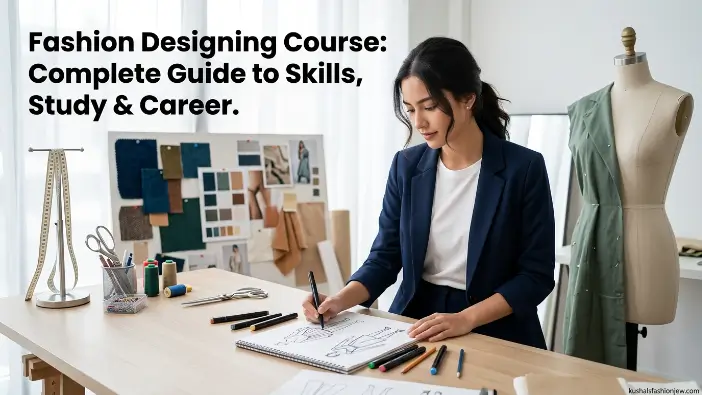
There are several types of Fashion Designing Course programs available to suit different needs, career goals, and experience levels. These courses can range from short-term certificates for beginners to full-time bachelor’s degrees for students aiming for professional careers. Each type of course focuses on different aspects of fashion, such as hands-on skills, creative development, or industry knowledge, allowing learners to choose the program that best aligns with their interests, schedule, and future ambitions. Selecting the right course ensures that students gain both the practical and theoretical knowledge required to succeed in the competitive fashion industry.
Diploma in Fashion Designing
A Diploma in Fashion Designing is a one- to two-year course that emphasizes practical skills and hands-on learning. Students learn how to sketch designs, select fabrics, cut patterns, and construct garments. The course also introduces the basics of fashion trends, colors, and textures. Diploma programs are ideal for beginners who want to gain technical expertise quickly and start working in the fashion industry or take up freelance projects.
In addition to practical skills, diploma courses often include workshops and small projects, which help students build a portfolio early in their careers. This exposure to real-world tasks prepares them for entry-level positions in fashion houses, boutiques, or production studios, giving them a solid foundation to explore advanced studies or professional opportunities later.
Bachelor’s Degree in Fashion Design
A Bachelor’s Degree in Fashion Design is a three- to four-year program that combines creativity with technical and industry knowledge. Students study advanced topics like textile science, fashion marketing, computer-aided design (CAD), and professional portfolio development. This course is suitable for those who aim for long-term careers in fashion or want to work with leading brands.
The degree also emphasizes industry exposure, internships, and project-based learning, helping students understand how the global fashion business operates. Graduates gain in-depth knowledge, advanced technical skills, and professional confidence, making them ready to work as designers, stylists, or even start their own boutique or label.
Short-term Certificate Courses
Short-term certificate courses usually last from a few weeks to a few months and focus on specialized skills like fashion illustration, styling, sewing, or pattern making. These courses are perfect for hobbyists, career changers, or students who want to learn a specific skill without committing to a long-term program.
Despite their short duration, certificate courses often include practical assignments and mini-projects, allowing learners to gain real-world experience in a focused area. They are also a cost-effective way to start building a portfolio or enhance particular skills for freelancing or small-scale fashion projects.
Online Fashion Design Courses
Online fashion design courses offer flexible learning for students who cannot attend physical classes. They cover both theory and practical skills through video tutorials, live sessions, and assignments, allowing learners to study at their own pace. Platforms like Udemy, Coursera, and Skillshare provide structured programs, often including certification upon completion.
Online courses are ideal for those balancing work, other studies, or personal commitments while pursuing fashion as a career. Many programs also encourage students to create virtual portfolios and submit design projects online, helping them gain recognition and credibility in the fashion industry even without traditional classroom access.
Eligibility Criteria for Fashion Designing Courses
Before enrolling in a Fashion Designing Course, students must meet certain eligibility requirements to ensure they can handle both the creative and technical aspects of the program. These requirements vary depending on the type of course, its duration, and the level of study. Whether you are joining a diploma, degree, or certificate program, institutes generally look for students with basic education and a strong interest in fashion, creativity, and design. Understanding the eligibility criteria beforehand helps learners choose the right course and prepare themselves for a successful career in fashion.
Education requirements
The educational requirements for a Fashion Designing Course depend on the level of the program. For diploma courses, students are usually required to have completed their matriculation or high school (10th grade), while bachelor’s degree programs generally require completion of higher secondary education (12th grade). Short-term certificate courses are more flexible and may not have strict academic prerequisites, making them ideal for beginners or hobbyists.
Apart from formal education, institutes may also consider candidates’ portfolios, entrance exams, or interviews to assess creativity and aptitude for fashion. Some schools encourage students with backgrounds in arts, fine arts, or design-related subjects, as this foundation can help them grasp concepts more quickly and perform better during practical assignments.
Required skills before joining
While formal education forms the basic eligibility, certain skills are highly beneficial for anyone enrolling in a Fashion Designing Course. Creativity and imagination are essential, as fashion design is all about turning ideas into appealing garments. Basic sketching or drawing skills help students communicate their concepts visually, though these can also be developed during the course.
Other useful skills include a sense of color combinations, an understanding of patterns, and attention to detail, which are crucial in designing and creating high-quality clothing. Time management, patience, and willingness to learn are equally important, as students will spend hours practicing stitching, pattern making, and other technical tasks. Having these skills beforehand ensures smoother learning and better career outcomes in the competitive fashion industry.
Duration and Fee Structure of the Fashion Designing Course
The duration and fee structure of a Fashion Designing Course vary depending on the type of program, institute, and mode of learning. Understanding these details is essential for students to plan their education and career path effectively. While some courses focus on short-term skills, others provide comprehensive training over several years. Similarly, fees differ based on the institute’s reputation, facilities, and curriculum depth. Being aware of both duration and cost helps students choose the most suitable course that fits their budget and career goals.
Course duration by level
The duration of a Fashion Designing Course depends on whether it is a certificate, diploma, or degree program. Short-term certificate courses usually last from a few weeks to six months and are designed to teach specific skills such as fashion illustration, stitching, or styling. Diploma courses typically run for one to two years and focus on practical training in garment construction, pattern making, and basic fashion design principles. Bachelor’s degree programs are more comprehensive, lasting three to four years, and cover advanced topics like textile science, fashion marketing, and computer-aided design (CAD).
Longer courses not only provide in-depth knowledge but also allow students to gain real-world experience through internships and projects. This practical exposure is crucial for building a strong portfolio and preparing for a professional career in the competitive fashion industry.
Average fees in institutes
The fees for a Fashion Designing Course vary widely depending on the type of program and the institute. Certificate courses are generally more affordable, costing a few thousand rupees or dollars, depending on the country. Diploma programs have moderate fees, while bachelor’s degrees are the most expensive due to their longer duration and comprehensive curriculum. Private institutes and international schools tend to charge higher fees but often provide better facilities, industry exposure, and placement support.
Many institutes also offer scholarships or installment options to make education more accessible. Researching the fee structure beforehand ensures students can plan their finances and select a course that provides the best value for their investment.
Online vs offline cost comparison
Online Fashion Designing Courses are generally more budget-friendly compared to offline programs. They eliminate costs related to travel, accommodation, and campus facilities, making them suitable for students with limited budgets or busy schedules. Online courses also offer flexibility, allowing learners to study at their own pace while accessing recorded lectures and virtual assignments.
On the other hand, offline courses provide hands-on training, face-to-face interaction with instructors, and access to workshops, sewing labs, and professional tools. While they are more expensive, the practical experience gained in offline programs is invaluable for students planning to pursue careers in fashion design studios, boutiques, or production houses. Choosing between online and offline courses depends on personal preferences, learning style, and career goals.
Syllabus of fashion designing course
The syllabus of a Fashion Designing Course is carefully structured to develop both the creative imagination and technical expertise needed in the competitive fashion industry. It goes beyond just teaching students how to sketch or sew; it provides a complete understanding of fabrics, design techniques, digital tools, and marketing strategies. A comprehensive syllabus ensures that students can conceptualize ideas, create professional-quality garments, and effectively present and promote their designs. Through a combination of theory, hands-on projects, and practical workshops, learners gain the confidence and skills required to excel as professional fashion designers.
Textile and fabric studies
Textile and fabric studies form the core foundation of a Fashion Designing Course. Students explore a wide variety of fabrics, including natural fibers like cotton, silk, and wool, as well as synthetic materials like polyester, nylon, and blended textiles. They learn how each fabric behaves under different conditions, such as washing, stretching, or dyeing, and how to choose the right material for a particular design.
Beyond just identification, students study fabric texture, weight, drape, and durability, understanding how these factors influence garment design. They also gain knowledge of specialty fabrics, innovative textiles, and eco-friendly options that are increasingly important in sustainable fashion. This deep understanding helps designers create garments that are not only visually appealing but also comfortable, practical, and high-quality.
Pattern making and garment construction
Pattern making and garment construction are the practical backbone of fashion design. Students learn how to draft patterns from scratch, using precise measurements to create templates that guide cutting and sewing. They study how to modify patterns to achieve different silhouettes, ensuring proper fit and proportion.
Garment construction teaches technical skills such as stitching techniques, seam finishes, hemming, and assembling garments with precision. By practicing these skills, students gain hands-on experience, allowing them to transform sketches and ideas into finished products. This part of the syllabus bridges the gap between creativity and practicality, ensuring designers can bring their concepts to life with accuracy and professionalism.
Fashion illustration
Fashion illustration is the visual language of a designer, allowing them to communicate ideas clearly before creating actual garments. Students learn how to draw figures, pose sketches, and depict clothing designs with accurate proportions, textures, and color schemes.
Illustration also encourages experimentation with style, mood, and detail. Designers learn how to present multiple versions of a design, highlight key features, and make their sketches appealing to clients, fashion houses, or portfolio reviewers. Strong illustration skills ensure that even complex ideas can be expressed visually in a professional manner.
Computer-aided design (CAD)
Computer-aided design (CAD) has become essential in modern fashion education. Students use specialized software to create digital sketches, adjust patterns, and experiment with colors and textures efficiently. Fashion marketing teaches students to position their products in the market strategically, analyze customer preferences, and plan campaigns that make their designs visible and desirable.
CAD training allows designers to make precise modifications, visualize garments before production, and produce professional digital portfolios. It also helps in collaboration with manufacturers or clients, as digital designs can be shared instantly and adapted easily. Mastery of CAD equips students to work in tech-savvy fashion industries and meet contemporary design standards.
Fashion marketing basics
Understanding fashion marketing is crucial for turning creativity into a profitable career. Students learn how to promote designs, build a brand identity, and connect with the right audience. They study advertising, retail strategies, pricing, and online marketing methods.
Fashion marketing teaches students to position their products in the market strategically, analyze customer preferences, and plan campaigns that make their designs visible and desirable. This knowledge ensures that designers are not just creative but also business-savvy, capable of launching personal labels, managing boutiques, or working effectively with fashion brands.
Skills You Learn in a fashion designing course
A fashion design course is not just about learning to make clothes; it is a comprehensive program that equips students with a combination of creative, technical, analytical, and professional skills. These skills allow learners to conceptualize ideas, transform them into high-quality garments, and understand the fashion market. Throughout the course, students develop abilities that help them create original designs, produce finished products, analyze trends, and communicate effectively with clients, brands, and industry professionals. Mastering these skills ensures that graduates are not only creative but also ready to succeed in the competitive world of fashion.
Creativity and sketching
Creativity is the foundation of fashion design, and sketching is the primary method to express it. In a Fashion Designing Course, students are trained to visualize their ideas and translate them into detailed sketches that show shapes, textures, colors, and garment flow.
Beyond basic drawing, learners explore different styles, proportions, and presentation techniques. Regular practice in sketching enhances their imagination and helps them develop a unique design signature, which is crucial for standing out in the fashion industry. Students also learn to create mood boards, combine patterns, and experiment with innovative concepts, ensuring their designs are both original and market-ready.
Sewing and tailoring skills
Sewing and tailoring skills form the backbone of practical fashion education. Students learn how to accurately cut fabrics, use different types of stitching, and assemble garments, which gives students a competitive edge, ensuring their designs remain relevant in the ever-changing fashion industry.
These hands-on skills teach learners how to convert sketches and patterns into wearable clothing with precise fits and finishes. By practicing techniques like hemming, pleating, and seam finishing, students gain confidence in producing high-quality garments. Mastery of sewing and tailoring not only enhances craftsmanship but also allows designers to innovate while maintaining durability and style in their creations.
Trend analysis
Understanding fashion trends is essential for designing clothing that resonates with customers. Students are taught how to research current market trends, analyze seasonal demands, and forecast future styles.
Trend analysis includes studying color palettes, popular fabrics, silhouettes, and cultural influences. By combining this knowledge with their creative ideas, designers can develop collections that are not only innovative but also commercially viable. Learning to anticipate trends gives students a competitive edge, ensuring their designs remain relevant in the ever-changing fashion industry.
Communication and branding skills
Fashion designers must be able to present their ideas and market their creations effectively. In a Fashion Designing Course, students develop communication skills that help them explain design concepts, write professional descriptions, and interact with clients and teams.
Branding skills teach learners how to establish a personal identity in the market, create a professional portfolio, and build a brand that attracts customers and industry recognition. These skills are vital for freelancers, boutique owners, and designers working with top fashion houses, as they help transform creative talent into a sustainable and successful career.
Best Career Options After a Fashion Designing Course
A Fashion Designing Course is not just about learning how to create clothes; it is a gateway to a world where creativity meets commerce. The course teaches essential skills like sketching, draping, fabric selection, pattern making, and trend forecasting. Students also learn about the business side of fashion, including brand development, marketing, and customer engagement. Completing this course opens up multiple career opportunities in a growing industry that values innovation, style, and originality. Whether one wants to work for renowned brands or build an independent label, the knowledge gained from fashion design serves as a strong foundation for a successful career.
Fashion Designer
A fashion designer is at the heart of the fashion industry, responsible for creating clothing, footwear, and accessories that are both functional and stylish. They work on conceptualizing ideas, developing designs, choosing fabrics, and supervising production. Creativity, attention to detail, and knowledge of market trends are crucial. A designer’s work involves balancing artistic vision with consumer preferences, ensuring designs are wearable and commercially viable.
Fashion designers can work with fashion houses, retail brands, or even start their own labels. They participate in fashion shows, create seasonal collections, and often collaborate with other professionals such as pattern makers and tailors. Success in this field requires continuous learning about fabrics, global fashion trends, and customer behavior, making it a dynamic and challenging career.
Textile Designer
Textile designers focus on creating unique patterns and textures for fabrics used in clothing, home décor, and industrial products. Their work involves experimenting with colors, materials, and weaving or printing techniques to create innovative textiles. Precision, creativity, and understanding of fabric properties are essential skills.
Textile designers can work for fashion brands, fabric manufacturers, or launch their own textile lines. Their designs directly impact the appeal and quality of garments, influencing how a brand is perceived. This career combines art with science, requiring designers to adapt to technological advancements in fabric production and market demands.
Fashion Illustrator
Fashion illustrators visualize and communicate a designer’s ideas through sketches, digital art, or technical drawings. Their work is crucial for pre-production stages, helping brands, manufacturers, and clients understand the final product. Strong artistic skills, creativity, and knowledge of fashion anatomy are vital.
Illustrators can work freelance, for design studios, magazines, or advertising agencies. Their illustrations act as a bridge between designers and consumers, making them a vital part of the design and marketing process. This career offers creative freedom and opportunities to experiment with various artistic styles.
Stylist
Stylists guide individuals or brands in creating appealing outfits and looks. They study trends, understand client preferences, and curate clothing and accessories for events, media, or photo shoots. Strong communication, creativity, and trend awareness are key to success.
Stylists collaborate with photographers, designers, and celebrities to craft visually appealing styles. Their work impacts public perception of fashion, making them influential in advertising, media, and personal branding. The role requires adaptability, as fashion trends change constantly.
Boutique Owner
A boutique owner manages a small retail store, curating exclusive clothing and accessories. This career merges creativity with entrepreneurship, requiring skills in marketing, customer engagement, and inventory management.
Boutique owners decide which collections to stock, how to display products, and how to promote their brand. Success depends on a combination of fashion sense and business acumen. Owners often have direct interaction with customers, allowing them to understand trends and build a loyal clientele.
Freelance Designer
Freelance designers work independently on diverse projects, including custom clothing, design consultations, and seasonal collections. This path offers creative freedom, flexibility, and direct client interaction. Self-motivation, time management, and networking skills are essential.
Freelancers can work across multiple domains, gaining varied experiences and building a personal brand. While challenging due to competition and irregular income, freelancing allows designers to experiment with styles, collaborate with different brands, and shape their own career path.
Common Mistakes Students Make in Fashion Design
Many students pursuing fashion design make certain mistakes that can slow down their growth or limit their opportunities in the industry. While creativity and talent are important, neglecting practical skills, delaying portfolio creation, and failing to research trends can prevent students from reaching their full potential. Understanding these pitfalls early helps aspiring designers focus on essential aspects of learning, preparing them for a successful career in the competitive fashion world.
Ignoring Practical Skills
Practical skills, such as sewing, draping, pattern making, and fabric handling, are the backbone of fashion design. Students who focus solely on theoretical knowledge or digital design often struggle when translating ideas into real garments. Without hands-on experience, even the most innovative designs may fail in execution, limiting career opportunities in professional settings.
Ignoring practical skills can also affect confidence and efficiency. For instance, understanding how fabrics behave or how to construct a garment properly allows designers to make informed choices and work effectively under deadlines. Mastering these skills gives students a strong foundation to experiment with creative ideas and bring their designs to life successfully.
Not Building Portfolio Early
A well-organized portfolio is essential for showcasing skills, creativity, and versatility to potential employers or clients. Many students delay creating their portfolio until the end of their course, missing opportunities to document progress and showcase ongoing projects. This can make it harder to stand out during job applications or interviews.
Building a portfolio early allows students to track growth, experiment with different styles, and receive feedback from mentors. It also helps in identifying personal strengths and developing a signature design style. A strong, regularly updated portfolio reflects professionalism and readiness, giving students a competitive edge in the industry.
Lack of Trend Research
Fashion is a fast-changing industry, and staying updated with trends is crucial. Students who fail to research trends may produce designs that are outdated or disconnected from current market demands. This oversight can limit their relevance and reduce the chances of success in professional settings.
Trend research helps designers understand consumer preferences, color palettes, fabrics, and global fashion movements. It allows them to innovate while keeping their designs appealing and marketable. Regularly studying trends, attending fashion shows, and analyzing industry reports ensures students remain informed, creative, and ready to meet industry expectations.
Frequently Asked Questions
Why are practical skills important in fashion design?
Practical skills like sewing, draping, and pattern making are essential because they allow students to turn their creative ideas into real garments. Without hands-on experience, even the best designs may fail in execution, limiting career opportunities.
When should I start building my portfolio?
Students should start building their portfolio as early as possible. Documenting projects throughout the course helps track progress, experiment with styles, and showcase growth to potential employers or clients.
How can trend research help me as a fashion student?
Trend research helps students stay updated with market demands, consumer preferences, and global fashion movements. This knowledge allows designers to create relevant, appealing, and innovative designs that meet industry standards.
Can ignoring these mistakes affect my career?
Yes. Neglecting practical skills, delaying portfolio creation, or ignoring trends can make it difficult to compete in the fashion industry. Early awareness and correction of these mistakes give students a stronger foundation and better career prospects.
How can I avoid these common mistakes?
Students can avoid these mistakes by practicing hands-on skills regularly, building and updating their portfolio throughout the course, and continuously researching fashion trends through shows, magazines, and online platforms.
Conclusion
Fashion design is a highly creative and competitive field that demands a careful balance of imagination, technical skills, and industry awareness. Students who overlook practical skills such as sewing, draping, and pattern making may find it difficult to bring their ideas to life, no matter how innovative their concepts are. Similarly, delaying portfolio development can limit opportunities to showcase talent and growth, while ignoring trend research can result in designs that are disconnected from market demands. Recognizing and addressing these common mistakes early allows aspiring designers to build a strong foundation, develop confidence, and improve both their technical and creative abilities.
Moreover, avoiding these pitfalls equips students with a professional mindset and a competitive edge in the fashion industry. By consistently practicing hands-on skills, maintaining a well-organized and updated portfolio, and staying informed about global trends, students can create designs that are both innovative and relevant. Understanding the importance of these elements not only prepares them for immediate career opportunities but also lays the groundwork for long-term success, whether they aim to work with top fashion houses, start their own label, or explore specialized fields like textile design, illustration, or styling. In essence, awareness and proactive learning are the keys to thriving in the ever-evolving world of fashion.