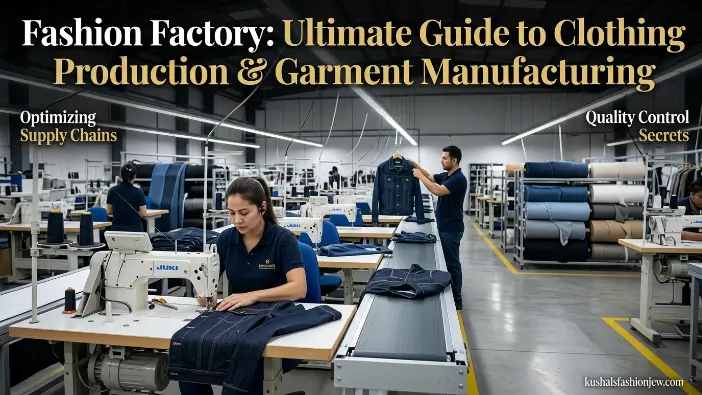
A fashion factory is the backbone of the clothing and apparel industry, where creative designs, ideas, and trends are transformed into tangible garments. These factories are not just places for sewing clothes they involve a complex process of design interpretation, pattern making, fabric sourcing, cutting, stitching, finishing, and quality control. Each stage requires skilled professionals, specialized machinery, and efficient workflow to ensure that garments meet market standards and consumer expectations.
For fashion brands, startups, and designers, understanding how a fashion factory functions is essential. It helps in selecting the right factory, maintaining quality, managing production timelines, and even planning for sustainable practices. From small boutique operations to large-scale mass production units, this guide explores every aspect of fashion factories, including modern trends, common mistakes to avoid, and tips for anyone looking to start or work with a garment manufacturing facility.
What is a Fashion Factory?
A fashion factory is a place where clothing and garments are produced on a professional scale, turning design ideas into real products that people can wear. It is not just about sewing clothes; it involves a complete process, including designing, pattern making, cutting fabric, stitching, finishing, labeling, and quality checking. Fashion factories are essential in the fashion industry because they make it possible to produce high-quality clothing efficiently, consistently, and in the quantities that brands and customers need.
Definition and Overview
A fashion factory is a professional facility where raw materials like fabrics and trims are transformed into finished garments. These factories take the designer’s sketches and ideas and turn them into actual clothing by following a structured production process. Unlike small tailoring workshops, fashion factories are organized to produce multiple pieces of clothing with uniform quality, making them ideal for businesses that need consistency across all products.
Modern fashion factories combine skilled workers with advanced machinery, such as industrial sewing machines, fabric cutters, and automated finishing equipment. They are capable of producing a variety of garments simultaneously, from casual wear to formal clothing, while maintaining quality standards. Every stage of production is closely monitored, ensuring that the final products meet industry requirements and customer expectations.
Types of Fashion Factories
Fashion factories can be divided into several types based on size, production volume, and focus. Small-scale factories usually serve boutique brands or startups and focus on limited quantities, offering customization and attention to detail. They allow designers to experiment with unique designs and maintain close control over production quality.
Large-scale factories are designed for mass production, capable of producing thousands of garments efficiently using automated machinery and well-organized production lines. Ethical and sustainable factories, on the other hand, prioritize environmentally friendly fabrics, fair labor practices, and minimal waste. Understanding these types helps designers and businesses choose the right fashion factory that meets their production goals and values.
Read Also: sustainable fashion brands
How a Fashion Factory Operates
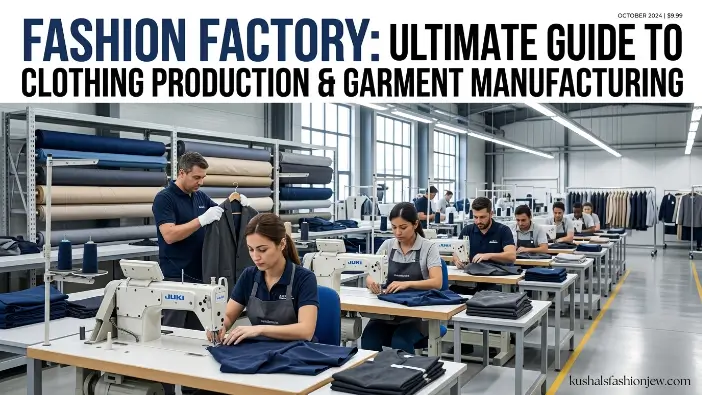
A fashion factory operates as a well-organized system where raw materials, machinery, and skilled workers come together to produce garments efficiently. From the initial design to the finished product, every step is carefully planned to ensure quality, consistency, and timely delivery. Modern fashion factories combine traditional craftsmanship with advanced technology to meet the demands of fashion brands and retailers, making the production process faster and more reliable.
The Fashion Manufacturing Process
The fashion manufacturing process in a factory begins with design interpretation and pattern making. Designers create sketches or digital designs, which are then converted into precise patterns that guide cutting and assembly. After patterns are prepared, fabrics are carefully selected and cut into pieces according to the design requirements. This step ensures that each garment is uniform and matches the intended style.
Once the fabrics are cut, skilled workers assemble the pieces through stitching and sewing. After assembly, garments go through finishing processes like adding buttons, labels, ironing, or washing to achieve the final look. Quality control checks are performed at every stage to identify and correct any defects, ensuring that the finished garments meet the expected standards before being packaged for delivery.
Machinery and Technology Used
Fashion factories use a combination of traditional and modern machinery to improve efficiency and accuracy. Industrial sewing machines are used for stitching different types of fabrics, while automated cutting machines help cut multiple layers of fabric quickly and precisely. Some factories also use computer-aided design (CAD) systems to convert digital designs directly into cutting patterns.
Advanced factories implement automation and smart technology to track production stages in real time. For example, automated sewing robots, fabric spreading machines, and finishing equipment reduce human errors and increase output. By combining skilled labor with technology, fashion factories can maintain high-quality standards while producing garments at scale.
Workforce and Skills Required
A fashion factory relies heavily on skilled professionals to ensure smooth operations. Tailors and sewing operators handle the assembly of garments, following patterns and instructions accurately. Designers and pattern makers provide the technical knowledge required to translate creative ideas into wearable clothing.
In addition, quality inspectors and production supervisors monitor every stage to maintain high standards. Workers need skills in machine operation, fabric handling, and attention to detail, while managers must coordinate workflows, track inventory, and ensure timely delivery. A well-trained workforce ensures efficiency, consistency, and quality throughout the factory’s operations.
How to Choose the Right Fashion Factory
Selecting the right fashion factory is one of the most important decisions for any fashion business or designer. The factory you choose directly affects the quality of your garments, production timelines, costs, and even your brand’s reputation. A reliable factory ensures consistent output, ethical practices, and smooth communication, while a poorly chosen factory can lead to delays, low-quality products, and wasted resources. Understanding what to look for and how to evaluate a factory is crucial before committing to a partnership.
Factors to Consider
When evaluating a fashion factory, the first factor is product quality. Examine samples or past work to check stitching, fabric handling, finishing, and overall consistency. Factories with high-quality standards produce garments that look professional and meet customer expectations, which is vital for brand reputation.
Experience and capacity are equally important. An experienced factory can handle complex designs, multiple product types, and large orders without compromising quality. Additionally, check for certifications, ethical compliance, and sustainable practices. A factory that prioritizes labor safety, fair wages, and eco-friendly production is not only responsible but also increasingly preferred by modern consumers.
Questions to Ask Before Partnering
Before finalizing a partnership with a fashion factory, ask detailed questions to clarify their capabilities. Important questions include: What is your minimum order quantity (MOQ)? Can you provide customization options for fabrics or design details? What are your production timelines and payment terms?
Also, inquire about their quality control process, machinery, and workforce skills. Understanding how they monitor production and handle defects helps ensure reliability. Clear communication at this stage prevents misunderstandings and builds trust, which is essential for long-term collaboration.
Red Flags to Avoid
Some factories may seem attractive at first, but could cause problems later. Red flags include inconsistent quality, delays in sample production, or poor reviews from previous clients. Outdated machinery or disorganized workflows can also lead to mistakes and missed deadlines.
A lack of transparency in sourcing materials, labor practices, or pricing is another warning sign. Factories that avoid answering questions clearly or refuse to provide references, samples, or certifications may not be trustworthy. By carefully evaluating these factors, you can avoid costly mistakes and choose a fashion factory that supports your brand’s growth and standards.
Starting Your Own Fashion Factory
Starting your own fashion factory is an exciting opportunity to turn creative ideas into tangible products while building a profitable business. However, it requires careful planning, resources, and knowledge of garment manufacturing processes. A successful factory is not just about sewing clothes; it involves organizing production, managing skilled workers, sourcing quality materials, and implementing technology efficiently. Understanding these steps deeply ensures your factory can produce high-quality garments consistently and grow sustainably in a competitive market.
Business Planning and Setup
The foundation of a successful fashion factory is a detailed business plan. This plan should outline the types of garments you want to produce, target customers, production scale, and financial projections. It also helps identify potential risks, operational costs, and required resources. For example, producing luxury garments requires a different setup compared to mass-market casual wear, including higher-quality materials and specialized machinery.
Once the plan is ready, focus on the factory setup. This includes choosing a suitable location that provides easy access to suppliers, transportation, and a skilled workforce. Legal requirements such as licenses, permits, and compliance with labor laws must also be fulfilled. A well-planned setup ensures smooth operations, minimizes delays, and positions your fashion factory for long-term success.
Equipment and Material Sourcing
Equipping your fashion factory with the right machinery is critical for efficiency and quality. Essential equipment includes industrial sewing machines, cutting tables, fabric spreading machines, pressing and finishing tools, and packaging equipment. Using reliable machinery reduces production errors, speeds up operations, and ensures consistent garment quality.
Material sourcing is equally important. High-quality fabrics, threads, trims, zippers, and buttons should come from trusted suppliers. For example, sustainable fabrics might require special sourcing channels. Building strong supplier relationships ensures the timely delivery of materials, better pricing, and consistency, which is vital for maintaining production schedules and high-quality garments.
Hiring Staff and Training
A fashion factory relies heavily on its workforce for success. Skilled tailors, sewing operators, pattern makers, and production supervisors are essential to maintain quality. Managers and coordinators play a critical role in workflow, inventory management, and ensuring production deadlines are met.
Training staff is equally important. Even experienced workers need guidance on factory-specific processes, safety standards, machinery operation, and quality control protocols. Continuous training improves efficiency, reduces mistakes, and keeps staff up-to-date with new production methods or technology. A motivated and skilled workforce ensures that your factory consistently delivers high-quality garments.
Scaling and Expansion
Once your fashion factory is running smoothly, scaling operations can increase profits and meet growing demand. Expansion can include adding more machines, hiring additional skilled workers, or increasing the production area. For example, a factory initially producing 500 garments per month can scale to 2,000 garments by optimizing workflow and adding machines.
Diversifying product lines is another growth strategy. Introducing new clothing styles, fabrics, or custom designs can attract more customers and increase revenue. However, it is crucial to maintain quality during scaling; poor quality during expansion can damage your brand. Proper planning, technology integration, and workforce management ensure sustainable growth for your fashion factory.
Trends and Innovations in Fashion Factories
The fashion industry is constantly evolving, and fashion factories are adopting new trends and innovations to stay competitive. Modern factories are not just about mass production; they focus on sustainability, smart technology, and adapting to changing consumer preferences. These innovations help factories improve efficiency, reduce environmental impact, and meet the growing demand for ethical and high-quality garments.
Sustainable and Ethical Production Practices
Sustainability has become a major focus in fashion manufacturing. Fashion factories now use eco-friendly fabrics such as organic cotton, bamboo, or recycled polyester. They also implement water-saving dyeing techniques and reduce chemical waste to minimize environmental impact. For example, a factory might install a water recycling system to lower water consumption during fabric processing.
Ethical practices are equally important. Factories ensure fair wages, safe working conditions, and proper labor rights for employees. Brands increasingly choose factories that comply with ethical certifications, as consumers are more conscious about where their clothing comes from. By adopting sustainable and ethical practices, fashion factories not only protect the environment and workers but also enhance their reputation and appeal to conscious consumers.
Smart Factories Using Automation and AI
Technology is transforming fashion factories into smart, efficient production centers. Automation and artificial intelligence (AI) help streamline processes such as fabric cutting, sewing, quality control, and inventory management. For instance, AI-powered machines can detect defects in fabrics, reducing human error and improving consistency.
Smart factories also use data analytics to forecast demand and optimize production schedules. This allows brands to reduce overproduction, manage resources better, and deliver garments faster. By integrating automation and AI, fashion factories can produce high-quality garments at scale while lowering costs and improving efficiency.
Fast Fashion vs Slow Fashion Production
Fast fashion factories focus on speed, producing large quantities of trendy garments quickly to meet consumer demand. This model relies on efficient production, automated systems, and a high workforce output. While it generates high revenue, fast fashion often raises concerns about sustainability, labor practices, and garment quality.
In contrast, slow fashion factories emphasize quality, durability, and ethical production. They produce garments in smaller batches, often using sustainable materials and traditional craftsmanship. Slow fashion prioritizes long-term value over quantity, appealing to conscious consumers who care about ethical production and environmental impact. Many modern fashion factories now try to balance both approaches, using technology for efficiency while adopting sustainable practices.
Common Mistakes to Avoid in Fashion Factory Operations
Running a fashion factory involves managing multiple processes, workers, and resources simultaneously. Even small mistakes can affect production quality, costs, and timelines. By understanding common pitfalls and learning how to avoid them, factory owners and managers can maintain smooth operations, deliver high-quality garments, and build a reliable reputation in the competitive fashion industry.
Overproduction or Underproduction Issues
One of the most frequent mistakes in a fashion factory is misjudging production volume. Overproduction can lead to excess inventory, wasted materials, and increased storage costs, while underproduction can result in missed deadlines and lost sales opportunities. For example, producing too many garments of a single design that do not sell can tie up funds and space unnecessarily.
Factories can prevent these issues by analyzing market demand, sales forecasts, and past trends. Implementing flexible production schedules and using inventory management systems helps adjust production according to actual demand. Careful planning ensures that resources are used efficiently and that orders are fulfilled without overproducing or underproducing.
Ignoring Quality Control Standards
Another critical mistake is neglecting quality control standards. Poor quality garments, such as uneven stitching, fabric defects, or incorrect sizing, can damage a brand’s reputation and lead to returns or complaints. Some factories focus too much on speed and ignore regular inspections, which reduces overall garment quality.
To avoid this, factories should implement multiple quality checkpoints throughout production. Inspections should cover raw materials, cutting accuracy, sewing, finishing, and packaging. Training staff to identify defects and using standardized quality criteria ensures consistent, professional products that meet customer expectations.
Poor Communication with Suppliers or Staff
Effective communication is essential in a fashion factory. Misunderstandings between factory managers, staff, or suppliers can result in delayed deliveries, incorrect production, or wasted materials. For instance, failing to clearly explain garment specifications to workers can lead to inconsistent stitching or wrong sizes.
Regular meetings, clear instructions, and modern tools like project management software help maintain smooth communication. Establishing strong relationships with suppliers ensures the timely delivery of fabrics and accessories. Open, transparent communication reduces errors, improves workflow, and fosters a productive working environment.
Neglecting Labor Laws and Regulations
Ignoring labor laws and workplace regulations is a serious mistake for any fashion factory. Factories that fail to provide safe working conditions, fair wages, or proper working hours may face legal penalties, fines, or reputational damage. Unethical practices can also impact employee morale and productivity.
To avoid this, factory owners should stay updated on local labor regulations, enforce safety protocols, and ensure fair treatment of all employees. Ethical compliance not only prevents legal issues but also attracts skilled workers and promotes a positive brand image. Sustainable, responsible practices are increasingly expected by consumers and business partners.
Frequently Asked Questions
What is a fashion factory?
A fashion factory is a professional facility where clothing and garments are produced from design concepts to finished products. It handles every stage of garment production, including fabric selection, pattern making, cutting, stitching, finishing, and quality control. These factories ensure consistency, efficiency, and high-quality products for fashion brands, retailers, and consumers.
How do I choose the right fashion factory for my brand?
Choosing the right fashion factory involves evaluating several factors, such as production capacity, experience, quality standards, ethical practices, and cost. You should also inspect past work, ask questions about their processes, and verify certifications. Open communication, transparency, and a clear understanding of expectations are essential for a successful partnership.
What are the common mistakes to avoid in a fashion factory?
Common mistakes include overproduction or underproduction, ignoring quality control standards, poor communication with staff or suppliers, and neglecting labor laws. Overproduction wastes materials and storage space, while poor quality or delays can harm brand reputation. Maintaining quality checks, clear communication, and ethical practices helps avoid these issues.
What equipment is needed in a fashion factory?
A modern fashion factory requires industrial sewing machines, cutting tables, pressing and finishing equipment, and tools for packaging. Advanced factories may use automated machines, fabric spreading devices, and AI-powered quality inspection systems. Having the right equipment ensures efficiency, accuracy, and consistent garment quality.
How can fashion factories adopt sustainable practices?
Sustainable practices in a fashion factory include using eco-friendly fabrics, reducing water and chemical waste, recycling materials, and ensuring ethical labor practices. Many factories also adopt energy-efficient machinery and slow fashion methods, producing smaller batches to minimize overproduction. These practices reduce environmental impact and appeal to conscious consumers.
Conclusion
A fashion factory is the backbone of the apparel and clothing industry, transforming creative ideas into finished garments that reach consumers worldwide. Understanding how a fashion factory operates—from design and material sourcing to production, quality control, and delivery—is essential for designers, brands, and entrepreneurs. Selecting the right factory, maintaining clear communication, and ensuring ethical and sustainable practices can significantly influence product quality, production efficiency, and brand reputation.
Modern fashion factories are not just about mass production; they are evolving with trends like automation, AI, and smart manufacturing to improve efficiency and reduce waste. By combining skilled workforce, advanced technology, and sustainable practices, a fashion factory can meet the demands of fast-paced fashion markets while producing high-quality, ethically made garments. With careful planning, investment, and management, starting or partnering with a fashion factory can drive business growth and long-term success in the competitive fashion industry.