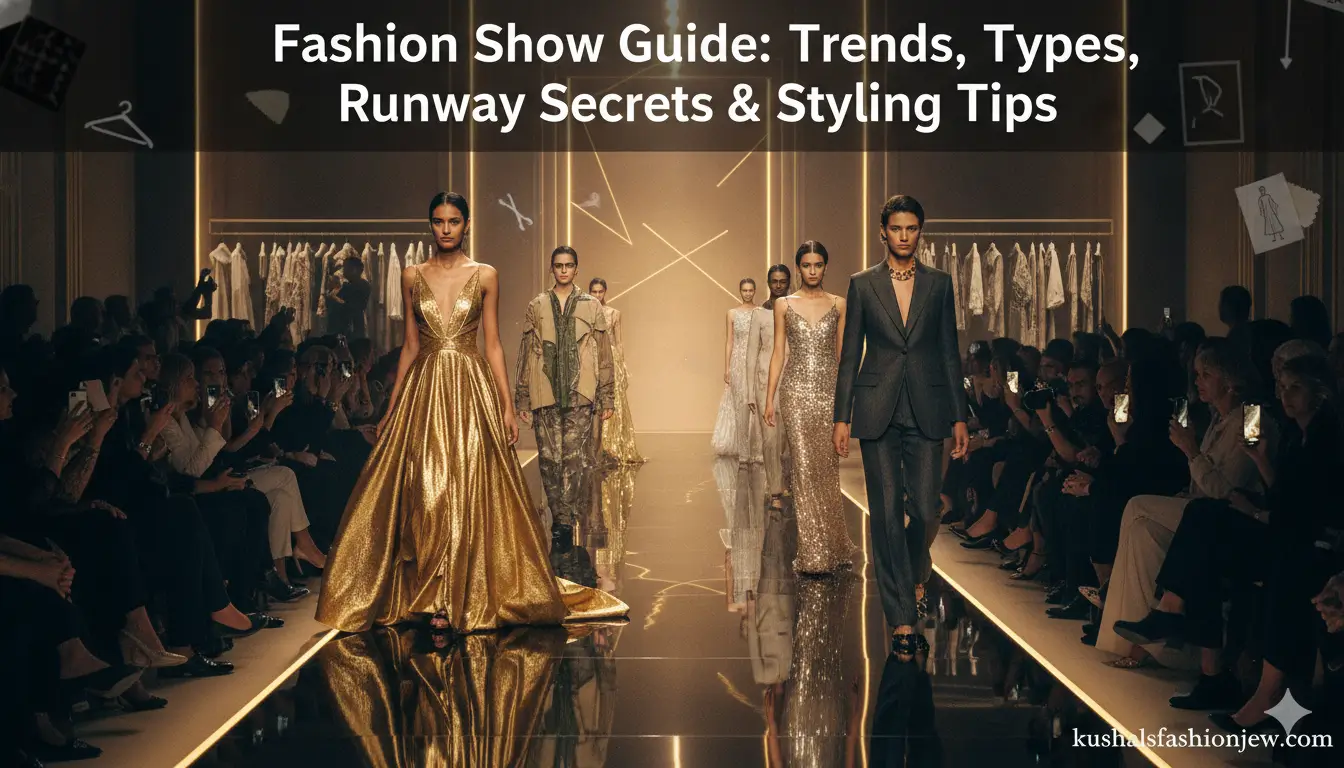
A fashion show is one of the most important and glamorous events in the fashion industry, where designers present their latest clothing collections to audiences through runway presentations. These events are carefully organized to showcase creativity, style, and innovation while attracting attention from buyers, media, celebrities, influencers, and fashion enthusiasts. A fashion show is not simply about displaying clothes; it is a powerful form of visual storytelling that combines fashion, music, lighting, choreography, and stage design to create a memorable experience. From luxury haute couture presentations in Paris to modern digital runway events streamed online, fashion shows continue to shape global fashion trends and inspire millions of people around the world.
Over the years, the concept of the fashion show has evolved significantly due to changes in technology, consumer behavior, and fashion marketing strategies. Traditional runway events were once exclusive gatherings attended only by elite clients and industry professionals, but today they have become global entertainment spectacles accessible through television, social media, and livestream platforms. Fashion shows now play a major role in brand promotion, trend forecasting, and cultural influence. Designers use these events to express artistic ideas, introduce innovative styles, and build strong identities in the competitive fashion market. As the fashion industry continues to grow and modernize, fashion shows remain essential platforms for creativity, communication, and business success.
What is a Fashion Show?
A fashion show is a professionally organized event where fashion designers present their latest clothing and accessory collections to an audience through live runway presentations or digital displays. Models walk on a catwalk wearing carefully styled outfits that represent a designer’s creative vision, seasonal trends, and brand identity. These events are usually attended by buyers, fashion editors, influencers, celebrities, photographers, and media representatives who analyze and promote the showcased collections. A fashion show is not only about displaying clothes; it is a combination of art, entertainment, marketing, and business strategy that helps shape the global fashion industry.
Definition and Core Concept
A fashion show is a planned visual presentation where designers reveal their latest fashion collections through models walking on a runway or catwalk. The event is designed to demonstrate how garments look and move on the body while highlighting details such as fabric, texture, color combinations, tailoring, and styling. Unlike static displays in stores or magazines, fashion shows provide a dynamic experience where audiences can observe the clothing in motion. This allows designers to create a stronger impact and communicate the personality of their collection more effectively. Fashion shows are commonly organized during fashion weeks, product launches, seasonal campaigns, or promotional events for fashion brands.
The core concept of a fashion show goes beyond clothing presentation because it focuses on storytelling and emotional expression. Every runway event follows a specific theme or artistic direction that influences the outfits, music, lighting, stage setup, and model presentation. Designers carefully build an atmosphere that reflects their inspiration, whether it is elegance, rebellion, minimalism, culture, sustainability, or futuristic fashion. The runway acts as a stage where fashion becomes a visual narrative rather than just a commercial product. This creative approach helps brands connect with audiences emotionally while also strengthening their image in the highly competitive fashion industry.
History of Fashion Shows
The history of fashion shows began during the 19th century in Europe, especially in Paris, which later became known as the fashion capital of the world. One of the earliest designers to introduce live fashion presentations was Charles Frederick Worth, often called the father of haute couture. Instead of displaying clothes on mannequins, he used real women to wear and present his designs to wealthy clients. These early fashion presentations were private events held in designer salons for elite customers. The purpose was to give clients a better understanding of how garments looked when worn, making the shopping experience more luxurious and personalized.
During the 20th century, fashion shows gradually transformed into large public events that attracted media attention and commercial buyers. Cities such as Paris, Milan, London, and New York became major centers for fashion presentations and launched organized fashion weeks that showcased seasonal collections from famous designers. As television, photography, and magazines grew in popularity, runway shows became global entertainment spectacles with elaborate stage designs and celebrity appearances. In recent years, technology has further changed the industry through livestreams, digital fashion shows, and virtual reality experiences. Modern fashion shows now combine tradition with innovation, allowing brands to reach worldwide audiences instantly through social media and online platforms.
Importance in the Fashion Industry
Fashion shows are extremely important in the fashion industry because they influence trends, consumer behavior, and brand reputation on a global scale. Designers use runway events to introduce new collections that often shape future clothing styles for upcoming seasons. Fashion editors, buyers, and trend forecasters closely analyze runway presentations to identify colors, fabrics, silhouettes, and design ideas that may become popular in retail markets. Because of this influence, fashion shows play a major role in determining what consumers see in stores, magazines, online shops, and social media. They serve as the starting point for many fashion trends that eventually reach mainstream audiences around the world.
In addition to trend creation, fashion shows are powerful marketing and branding tools for designers and fashion companies. A successful runway presentation can generate media coverage, attract celebrity attention, increase social media engagement, and strengthen a brand’s identity. Fashion shows also create business opportunities by connecting designers with retailers, investors, sponsors, photographers, and influencers. For emerging designers, runway events provide visibility and credibility within the industry, while luxury brands use them to maintain prestige and exclusivity. In today’s digital era, fashion shows have become even more impactful because online streaming and viral social media content allow brands to reach millions of viewers globally within minutes.
Read Also: aditya birla fashion
Types of Fashion Show Events
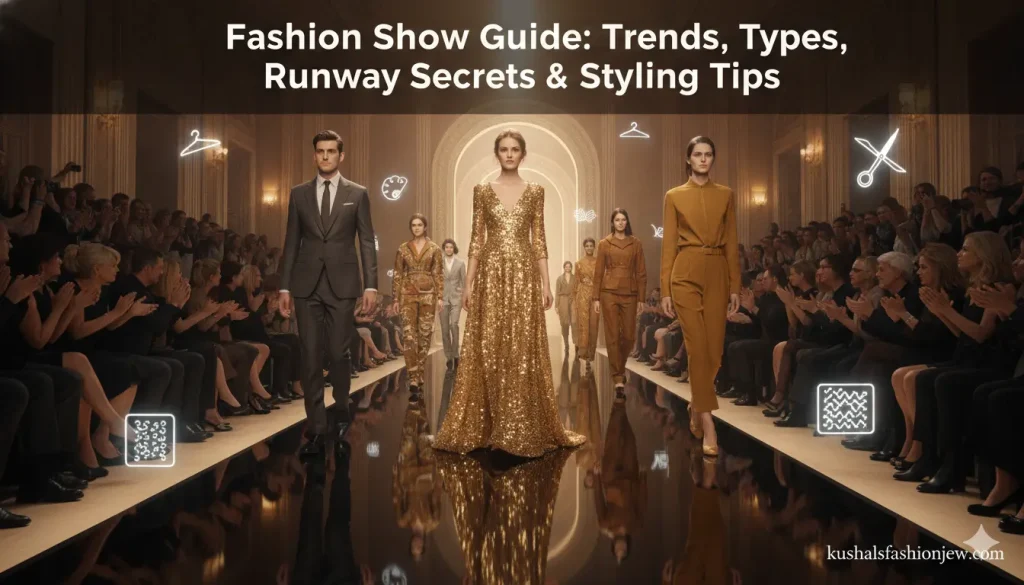
The fashion industry includes different types of fashion show events, each designed for a specific purpose, audience, and style of presentation. Some runway shows focus on luxury and exclusivity, while others are created for commercial fashion, digital innovation, or creative experimentation. These events help designers present collections according to market demands, seasonal trends, and brand identity. From traditional haute couture runways in Paris to modern virtual presentations streamed online, every fashion show type plays a unique role in shaping the global fashion industry.
Haute Couture Shows
Haute couture shows represent the highest level of luxury and craftsmanship in the fashion industry. The term “haute couture” comes from French and means “high sewing” or “high dressmaking.” These fashion shows feature custom-made garments created with exceptional detail, premium fabrics, and hand-finished techniques. Every piece is individually designed for elite clients, making haute couture collections exclusive and extremely expensive. Designers spend hundreds of hours creating intricate embroidery, embellishments, and tailoring that transform clothing into wearable art. Haute couture shows are often organized by luxury fashion houses in Paris and are considered symbols of prestige, elegance, and creativity.
These runway events are not mainly focused on commercial sales but on artistic expression and brand image. Designers use haute couture shows to demonstrate innovation, technical skill, and creative storytelling without the limitations of mass production. The runway atmosphere is usually dramatic and sophisticated, with luxurious stage designs, carefully selected music, and highly stylized presentations. Because of their exclusivity and artistic value, haute couture shows attract celebrities, fashion editors, luxury buyers, and global media attention. They strongly influence future fashion trends and inspire both luxury and mainstream clothing collections around the world.
Ready-to-Wear (Prêt-à-Porter)
Ready-to-wear, also known as prêt-à-porter, refers to clothing collections designed for commercial production and retail sales. Unlike haute couture garments, ready-to-wear outfits are manufactured in standard sizes and made available to a broader audience. These fashion shows are highly important because they introduce seasonal trends that consumers are likely to see in stores, online platforms, and fashion campaigns. Designers balance creativity with practicality, ensuring that the clothing is stylish, wearable, and suitable for mass production. Ready-to-wear collections often include casual wear, formal outfits, office clothing, and trendy street-inspired fashion.
Ready-to-wear fashion shows are among the most influential events during international fashion weeks in cities like New York, Milan, Paris, and London. These runway presentations attract retailers, buyers, influencers, journalists, and fashion enthusiasts who closely observe upcoming styles and market trends. Compared to haute couture shows, prêt-à-porter presentations are more commercially focused because they directly impact retail sales and consumer demand. Designers use these events to strengthen brand visibility, connect with target audiences, and compete in the global fashion market. Because of their accessibility and trend influence, ready-to-wear collections shape much of the fashion industry each season.
Resort and Pre-Fall Collections
Resort and pre-fall collections are transitional fashion lines presented between the major spring/summer and autumn/winter seasons. Resort collections, sometimes called cruise collections, were created for wealthy clients traveling to warm destinations during the winter months. These collections feature lightweight fabrics, relaxed silhouettes, and vacation-inspired styles suitable for luxury travel and leisure. Over time, resort wear expanded beyond holiday fashion and became an important commercial category for fashion brands because it remains in stores for a longer period compared to seasonal collections.
Pre-fall collections are designed to bridge the gap between summer and winter fashion by introducing versatile outfits suitable for changing weather conditions. These fashion shows often focus on practical and wearable designs while still reflecting current trends and brand aesthetics. Resort and pre-fall runway events are usually smaller and less dramatic than major seasonal fashion shows, but they are highly valuable from a business perspective because they generate steady retail sales throughout the year. Many luxury and commercial brands use these collections to maintain customer engagement and keep their fashion lines fresh between major runway seasons.
Digital and Virtual Fashion Shows
Digital and virtual fashion shows have become increasingly popular due to technological advancements and changes in audience behavior. Unlike traditional runway events, these fashion shows are presented through online platforms, livestreams, pre-recorded videos, CGI environments, or virtual reality experiences. Designers can now reach global audiences instantly without the limitations of physical venues or travel restrictions. Digital presentations often include cinematic storytelling, creative editing, animation, and futuristic visual effects that enhance the viewing experience and allow greater artistic freedom.
The rise of digital fashion has significantly transformed the fashion industry, especially after global shifts toward online communication and virtual events. Brands discovered that digital presentations are more cost-effective, environmentally friendly, and accessible to international audiences. Virtual runways also encourage experimentation with AI-generated models, digital clothing, and interactive audience experiences. Social media platforms such as Instagram, TikTok, and YouTube further increase the reach and impact of these events by allowing fashion content to spread rapidly worldwide. As technology continues to evolve, digital and virtual fashion shows are expected to become an even more important part of the future fashion landscape.
Street Fashion and Independent Shows
Street fashion and independent fashion shows focus on creativity, individuality, and cultural expression rather than luxury exclusivity or large commercial production. These events are commonly organized by emerging designers, independent labels, local fashion communities, and streetwear brands that want to showcase unconventional styles and fresh ideas. Street fashion shows often reflect youth culture, music influences, urban trends, and social movements. Unlike traditional runway events, these presentations may take place in public spaces, warehouses, art galleries, or outdoor locations to create a more authentic and energetic atmosphere.
Independent fashion shows provide opportunities for new designers to gain visibility and establish themselves within the competitive fashion industry. These runway events encourage innovation because designers are free to experiment with bold concepts, unique styling, sustainable materials, and non-traditional presentations. Street fashion shows have become highly influential in recent years as streetwear culture has gained popularity worldwide. Many global luxury brands now draw inspiration from independent and urban fashion scenes. Through social media exposure and digital marketing, independent runway events can quickly attract large audiences and influence mainstream fashion trends despite having smaller budgets compared to major luxury fashion houses.
Behind the Scenes of a Fashion Show
A successful fashion show is the result of extensive planning, teamwork, and coordination that takes place long before models walk onto the runway. While audiences usually focus on glamorous outfits and celebrity appearances, the real work happens behind the scenes, where designers, stylists, makeup artists, production teams, and models work together to create a flawless presentation. Every detail, from outfit fittings to stage lighting, is carefully organized to ensure the event runs smoothly and reflects the designer’s creative vision. Behind-the-scenes preparation is essential because even small mistakes can affect the overall quality and impact of the runway show.
Casting Models and Fittings
Casting models is one of the most important steps in preparing for a fashion show because models represent the designer’s collection on the runway. Designers and casting directors carefully select models based on factors such as height, body proportions, walking style, confidence, and overall appearance. Different fashion brands look for different model characteristics depending on the theme and identity of the collection. Luxury brands may prefer elegant and sophisticated looks, while streetwear brands often choose models with bold and unique personalities. During the casting process, models attend auditions where they walk in front of designers and production teams to demonstrate their runway skills and suitability for the show.
After the casting process is completed, fittings are organized to ensure every outfit fits perfectly on the selected models. During fittings, designers and tailors make adjustments to garments so they match the model’s body shape and movement requirements. Accessories, shoes, and styling elements are also tested to create a complete runway look. Multiple fittings may be required, especially for haute couture collections where garments are highly detailed and customized. This stage is extremely important because proper fitting improves the appearance of the clothing on the runway and allows models to walk comfortably and confidently during the presentation.
Rehearsals and Runway Practice
Rehearsals are essential for ensuring that a fashion show runs smoothly and professionally. Before the actual event, models participate in runway practice sessions to learn their walking order, timing, and positions on the catwalk. Designers and choreographers guide models on how to present the collection according to the theme and mood of the show. Some runway events require dramatic movements, pauses, or synchronized group walks, making rehearsals necessary for maintaining coordination. Models also practice walking in high heels, complex outfits, or heavy accessories to avoid mistakes during the live presentation.
Runway rehearsals involve more than just model walking practice because they also include music synchronization, lighting tests, and backstage coordination. Production teams carefully observe how models move on the runway to adjust camera angles, stage timing, and visual effects. Designers may make last-minute changes to the lineup or styling after watching rehearsals. These practice sessions help identify potential problems before the audience arrives, reducing the chances of confusion or technical issues during the actual event. Proper rehearsal preparation creates confidence among models and ensures the fashion show appears polished, organized, and visually impressive.
Styling and Makeup Teams
Styling and makeup teams play a major role in creating the overall visual identity of a fashion show. Fashion stylists work closely with designers to select accessories, shoes, jewelry, and other fashion elements that complete each runway look. Their goal is to ensure that every outfit reflects the collection’s theme and artistic direction. Stylists also organize outfit changes backstage and maintain consistency between different looks presented during the show. In many runway events, styling is just as important as the clothing itself because it enhances the designer’s creative message and strengthens the visual impact of the collection.
Makeup artists and hairstylists are responsible for transforming models according to the show’s concept. Designers often choose specific makeup styles and hairstyles that match the mood of the collection, whether it is natural elegance, futuristic beauty, dramatic glamour, or edgy street fashion. Backstage makeup areas are usually busy and fast-paced because teams must prepare multiple models within limited timeframes. Coordination and speed are extremely important during this process. Professional makeup and hairstyling help create a complete runway appearance that supports the storytelling aspect of the fashion show and leaves a lasting impression on audiences and media.
Show Production and Stage Design
Production and stage design are critical elements that determine the atmosphere and audience experience of a fashion show. Production teams manage technical aspects such as lighting, sound systems, stage construction, seating arrangements, and event scheduling. Designers work with creative directors and production managers to create a runway environment that reflects the concept of the collection. Some fashion shows use simple minimalist runways, while others feature elaborate stage designs with digital screens, special effects, artistic decorations, or immersive visual experiences. Every production detail is planned carefully to create a powerful and memorable presentation.
Lighting and music are especially important because they influence how the audience perceives the collection. Bright lighting may highlight garment details and fabric textures, while dramatic lighting can create emotion and intensity. Music selection also helps set the rhythm and mood of the runway presentation. Modern fashion shows often combine technology with stage production through LED displays, projection mapping, virtual reality, and interactive visual effects. These creative elements transform the runway into a storytelling platform rather than just a walking space. A well-produced fashion show strengthens brand identity, increases media attention, and creates a more engaging experience for both live and digital audiences.
Major Global Fashion Show Events
The global fashion industry is heavily influenced by a few major fashion show events that set trends, introduce new collections, and shape the future of style worldwide. These events are commonly known as the “Big Four” fashion weeks and include Paris Fashion Week, Milan Fashion Week, New York Fashion Week, and London Fashion Week. Every year, designers, celebrities, fashion editors, buyers, photographers, and influencers travel to these cities to attend runway presentations from leading fashion brands and emerging talents. These fashion weeks are considered the most prestigious events in the industry because they influence seasonal trends, luxury fashion markets, and global consumer preferences.
Paris Fashion Week
Paris Fashion Week is widely regarded as the most prestigious and luxurious fashion event in the world. Held in the fashion capital of Paris, this event showcases collections from some of the most famous luxury fashion houses and designers. It is especially known for haute couture presentations that feature highly detailed garments, artistic craftsmanship, and exclusive custom-made designs. Designers use Paris Fashion Week to introduce bold, creative concepts, innovative silhouettes, and elegant runway experiences that often define future global fashion trends. Because of its strong connection with luxury fashion and artistic excellence, Paris Fashion Week attracts international media attention and celebrity appearances every season.
The event also plays a major role in preserving the heritage and prestige of the French fashion industry. Many legendary brands choose Paris as the platform to present their most important collections, making the city a global center for style and sophistication. The runway presentations are often grand and theatrical, featuring impressive stage designs, music, and visual storytelling elements. Buyers, fashion journalists, photographers, and influencers closely observe these shows because they influence not only luxury fashion but also mainstream retail trends worldwide. Paris Fashion Week remains one of the strongest symbols of creativity, elegance, and cultural influence in the global fashion industry.
Milan Fashion Week
Milan Fashion Week is famous for its focus on elegance, luxury craftsmanship, and premium Italian fashion design. Hosted in Milan, one of the world’s leading fashion capitals, this event is known for presenting sophisticated collections that combine tradition with modern trends. Italian fashion brands often emphasize high-quality fabrics, expert tailoring, and timeless style, making Milan Fashion Week highly respected in the global fashion industry. The runway shows feature a mix of luxury ready-to-wear collections, innovative accessories, and modern interpretations of classic Italian fashion aesthetics.
In addition to luxury fashion, Milan Fashion Week is also an important business platform for designers and international buyers. Retailers and fashion companies attend these runway events to identify trends and purchase collections for upcoming seasons. The event attracts celebrities, influencers, and fashion media from around the world, generating massive publicity for participating brands. Milan’s fashion culture strongly values elegance and craftsmanship, which is reflected in the polished and refined runway presentations. Through its combination of creativity and commercial success, Milan Fashion Week continues to shape global fashion standards and maintain Italy’s strong influence in the industry.
New York Fashion Week
New York Fashion Week is one of the most commercially influential fashion events in the world and plays a major role in shaping modern and wearable fashion trends. Unlike the artistic luxury focus of Paris or Milan, New York Fashion Week is known for showcasing practical, contemporary, and market-oriented collections that appeal to a broad audience. Designers often present ready-to-wear clothing, streetwear, and innovative urban styles that reflect the fast-paced lifestyle and cultural diversity of New York City. Because of its strong connection to retail and consumer markets, the event has a major influence on fashion businesses and mainstream style trends.
The fashion week also serves as an important platform for emerging American designers who want to gain recognition in the global industry. Many brands use New York Fashion Week to launch new collections, collaborate with celebrities, and attract international media coverage. The event receives extensive attention from fashion magazines, television networks, bloggers, and social media influencers, making it highly visible worldwide. Runway presentations in New York often combine fashion with entertainment, technology, and pop culture, creating energetic and modern experiences for audiences. Its commercial power and trend-setting influence make New York Fashion Week one of the most important events in the global fashion calendar.
London Fashion Week
London Fashion Week is internationally recognized for its creativity, innovation, and experimental approach to fashion. The event is famous for supporting emerging designers and encouraging bold artistic expression on the runway. Unlike some fashion capitals that focus mainly on luxury or commercial success, London Fashion Week is known for pushing creative boundaries and introducing unconventional styles. Designers often experiment with dramatic silhouettes, unique fabrics, cultural influences, and avant-garde concepts that challenge traditional fashion standards. This strong focus on originality has helped London build a reputation as one of the most innovative fashion centers in the world.
The event also plays an important role in promoting young talent and independent fashion brands. Many successful global designers first gained attention through London Fashion Week before becoming internationally recognized. Fashion schools and creative institutions in the United Kingdom contribute to the city’s reputation for producing innovative designers and fresh ideas. The runway presentations are often artistic and theatrical, combining fashion with music, performance art, and visual storytelling. London Fashion Week attracts media professionals, celebrities, and fashion enthusiasts who are interested in discovering future trends and groundbreaking creativity. Its unique balance of innovation, diversity, and artistic freedom makes it an essential part of the global fashion industry.
Fashion Show Trends and Innovations
The modern fashion show industry is constantly evolving as designers and brands adopt new technologies, creative concepts, and sustainable practices to meet changing audience expectations. Traditional runway presentations are no longer limited to models walking on a simple catwalk. Today’s fashion shows combine digital innovation, environmental awareness, interactive experiences, and social media engagement to create stronger connections with global audiences. These changes have transformed fashion shows into highly immersive events that blend art, entertainment, business, and technology in exciting new ways.
Sustainable Fashion Shows
Sustainability has become one of the most important trends in the modern fashion show industry as designers and brands focus on reducing environmental impact and promoting ethical fashion practices. Traditional fashion production often creates waste, pollution, and excessive resource consumption, which has encouraged many fashion companies to adopt eco-friendly approaches. Sustainable fashion shows now feature clothing made from recycled fabrics, organic materials, biodegradable textiles, and ethically sourced resources. Designers are also reducing waste by producing limited collections and using environmentally responsible manufacturing techniques.
In addition to sustainable clothing, many fashion shows are now organized using eco-conscious production methods. Brands are choosing reusable stage materials, energy-efficient lighting, digital invitations, and environmentally friendly venue setups to minimize waste. Some runway events even focus entirely on promoting awareness about climate change, ethical labor practices, and responsible consumer behavior. Sustainable fashion not only improves brand reputation but also encourages audiences and consumers to support environmentally conscious fashion choices. As global awareness of environmental issues continues to increase, sustainability is expected to become an even more important part of future fashion presentations.
AI and Technology in Runways
Artificial intelligence and advanced technology are transforming the fashion show experience by introducing innovative ways to create, present, and market fashion collections. AI tools are now used for trend forecasting, digital garment design, virtual styling, and audience analysis. Designers can study consumer preferences and predict future fashion trends using data-driven technology, helping brands create more targeted and innovative collections. AI-generated fashion concepts and digital clothing designs are also becoming increasingly popular in modern runway presentations.
Technology has also changed the visual and interactive aspects of fashion shows. Some brands use virtual models, holograms, and CGI effects instead of traditional runway setups. Smart fabrics, wearable technology, and LED-integrated clothing have introduced futuristic elements to fashion presentations. Digital screens, projection mapping, and interactive stage effects create visually impressive runway environments that capture audience attention. These technological advancements help fashion brands deliver unique experiences while also increasing global accessibility through livestreams and virtual platforms. As AI and technology continue to develop, they are expected to redefine how fashion shows are produced and experienced worldwide.
Immersive Experiences
Immersive experiences have become a major innovation in the modern fashion show industry because brands now aim to create emotional and interactive connections with audiences. Instead of relying only on traditional catwalk presentations, designers are transforming runway events into complete storytelling experiences that engage viewers through sound, visuals, lighting, and technology. Fashion shows now include theatrical performances, artistic stage installations, and cinematic presentations that make audiences feel part of the designer’s creative world.
Advanced technologies such as augmented reality (AR), virtual reality (VR), and 3D projection mapping have made immersive fashion shows even more engaging. Some runway events allow audiences to experience digital environments or interact with virtual fashion elements through mobile devices and headsets. Designers use these techniques to create fantasy-inspired worlds, futuristic landscapes, or emotionally powerful visual stories that enhance the presentation of their collections. Immersive runway experiences help fashion brands stand out in a crowded industry while creating memorable moments that attract media attention and social media engagement. This trend reflects the growing importance of entertainment and audience interaction in modern fashion culture.
Social Media Influence
Social media has completely transformed the impact and reach of the fashion show industry by making runway events instantly accessible to global audiences. In the past, fashion shows were exclusive events attended mainly by buyers, journalists, and celebrities, but platforms like Instagram, TikTok, YouTube, and Facebook now allow millions of people to watch runway presentations in real time. Fashion brands use social media to livestream events, share backstage content, promote collections, and interact directly with audiences worldwide. This digital exposure has significantly increased the popularity and commercial influence of fashion shows.
Social media also plays a major role in shaping fashion trends and consumer behavior. Viral runway moments, celebrity appearances, and unique outfits can quickly gain worldwide attention and influence online fashion discussions. Influencers and fashion content creators further amplify runway trends by sharing reviews, styling ideas, and behind-the-scenes experiences with their followers. Brands now design fashion shows with social media visibility in mind, often creating dramatic visuals and attention-grabbing moments specifically intended for online sharing. Because of this strong digital influence, social media has become one of the most powerful marketing tools in the modern fashion industry, helping runway events reach audiences far beyond the physical venue.
Expert Tips for a Perfect Fashion Show
A successful fashion show requires careful planning, creativity, and strong teamwork to create a memorable runway experience. Designers and organizers must focus on every detail, including storytelling, model performance, lighting, music, backstage management, and branding. A well-organized fashion show not only showcases clothing beautifully but also strengthens brand identity, attracts media attention, and leaves a lasting impression on audiences.
Focus on Storytelling Through Fashion
Storytelling helps make a fashion show more emotional, creative, and memorable by connecting all runway elements with a clear theme or concept. A strong story allows audiences to better understand the inspiration behind the collection and creates a deeper visual experience.
- Create a unique theme for the collection
- Match outfits with music and stage design
- Use colors and styling to express emotions
- Keep the runway presentation visually connected
Prioritize Model Confidence and Walk Training
Confident models improve the overall quality of a fashion show because they present outfits with professionalism and strong runway presence. Proper rehearsal and walk-through training help models move naturally and avoid mistakes during the live presentation.
- Conduct runway rehearsals before the event.
- Train models in posture and walking techniques
- Help models feel comfortable in outfits and heels
- Practice timing and runway choreography
Keep Lighting and Music Aligned with Theme
Lighting and music play an important role in creating the mood and atmosphere of a fashion show. When properly matched with the collection theme, they enhance the audience experience and make the runway presentation more impactful.
- Choose music that matches the collection’s mood
- Use lighting to highlight clothing details
- Synchronize runway walks with music beats
- Avoid distracting or inconsistent visual effects
Ensure Smooth Backstage Coordination
Strong backstage coordination is necessary for keeping a fashion show organized and professional. Clear communication between designers, stylists, makeup artists, and production staff helps prevent delays and confusion during the event.
- Prepare outfits and accessories in advance.
- Create clear schedules for all team members
- Maintain communication between backstage staff
- Use checklists to manage runway timing smoothly
Use Strong Visual Branding
Visual branding helps a fashion show create a recognizable identity and leave a lasting impression on audiences. Consistent branding across the runway, stage design, and promotional materials strengthens the fashion brand’s image.
- Use consistent colors and design aesthetic.s
- Include logos and signature visual elements
- Create visually memorable runway moments
- Design professional promotional materials and invitations
Frequently Asked Questions
What is a fashion show?
A fashion show is an event where designers showcase their latest clothing collections on a runway using models. It helps present new fashion trends and brand creativity.
What is the purpose of a fashion show?
The purpose of a fashion show is to promote fashion collections and attract buyers, media, and customers. It also helps set upcoming fashion trends.
How long does a fashion show last?
Most fashion shows last between 10 and 30 minutes, depending on the number of outfits and event format. Larger fashion week events may take longer.
What happens behind the scenes of a fashion show?
Behind the scenes, teams manage styling, makeup, fittings, rehearsals, and runway coordination. Proper backstage management ensures the event runs smoothly.
What are the main types of fashion shows?
The main types include haute couture, ready-to-wear, digital fashion shows, and street fashion events. Each type serves different fashion audiences and purposes.
Conclusion
A fashion show is much more than a simple runway event because it represents creativity, innovation, and artistic expression within the global fashion industry. These events provide designers with an opportunity to showcase their latest collections, introduce new trends, and communicate their creative vision to audiences around the world. From luxurious haute couture presentations to modern digital runway experiences, fashion shows continue to influence the way people view fashion and style. They also play an important role in promoting brands, attracting media attention, and shaping seasonal fashion trends that impact both luxury and commercial markets.
Over the years, the concept of the fashion show has evolved significantly with the introduction of technology, sustainability, and social media influence. Modern runway events now include virtual presentations, immersive experiences, eco-friendly practices, and global livestreams that allow millions of people to engage with fashion instantly. Successful fashion shows require strong planning, professional coordination, creative storytelling, and effective visual branding to create memorable experiences for audiences. As the fashion industry continues to grow and change, fashion shows will remain essential platforms for innovation, communication, and cultural influence in the world of fashion.