The world of fashion trends is a constantly shifting landscape influenced by culture, technology, and individual expression. What people wear is no longer defined only by traditional designers or seasonal runway shows, but also by social media, street style, and global lifestyle changes that evolve in real time. As a result, fashion has become more accessible, diverse, and dynamic than ever before.
In today’s fast-moving style environment, fashion trends are not just about clothing they represent identity, creativity, and personal storytelling. From bold experimental looks to minimal everyday essentials, modern fashion reflects a balance between comfort and aesthetics. Understanding these trends helps you stay updated, build confidence in your wardrobe choices, and develop a personal style that feels both current and authentic.
Understanding the World of Fashion Trends
The world of fashion trends is constantly evolving and reflects how people express themselves through clothing in modern society. Today, trends are not controlled only by designers or fashion houses but are shaped by a mix of global culture, social media, and individual creativity. This makes fashion more dynamic, fast-moving, and diverse than ever before, allowing people to adapt styles in ways that match their personality and lifestyle.
What Defines Modern Fashion Trends
Modern fashion trends are defined by their speed, accessibility, and flexibility. Unlike traditional fashion cycles that changed slowly, today’s trends can appear and spread globally within days due to social media platforms and digital influence. This rapid movement allows people to quickly adopt new styles while also encouraging them to mix different fashion elements together.
Another key factor is personalization. Instead of following trends exactly as they appear on runways or influencers, people now adapt them according to their own comfort, identity, and budget. This has created a more inclusive fashion culture where individuality is just as important as staying updated with trends.
Influence of Culture, Media & Technology
Culture plays a major role in shaping fashion trends, as music, films, art, and traditions often inspire new styles, colors, and clothing patterns. Different cultures around the world contribute to a rich mix of fashion ideas that continuously evolve and influence global style movements.
Media and technology have accelerated this process even further. Social media platforms like Instagram and TikTok spread trends instantly, while influencers and celebrities help make certain looks go viral. At the same time, advancements like AI design tools and virtual fashion shows are changing how trends are created, making fashion more innovative, interactive, and globally connected.
Read Also: filatex fashion
Key Fashion Trends 2026 You Should Know
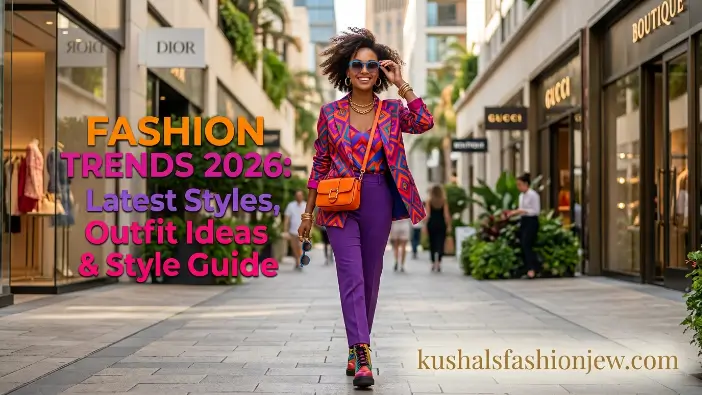
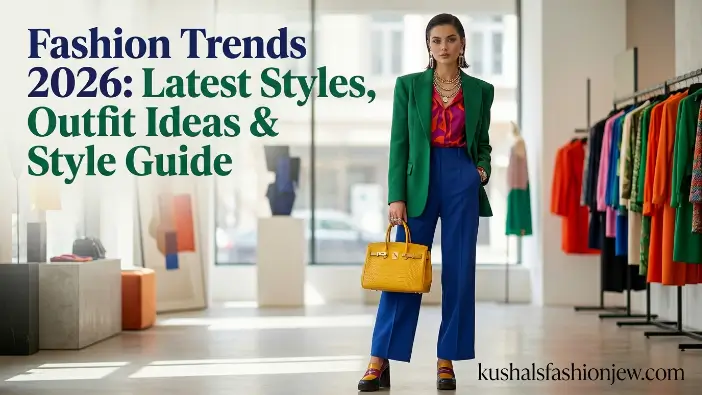
The year 2026 is shaping up to be a mix of nostalgia, simplicity, and comfort-driven style in fashion trends. Instead of focusing on one dominant look, fashion today is built on variety, where different aesthetics coexist and people choose what best fits their personality. From bold retro comebacks to calm minimalist outfits, modern style is about balance and self-expression rather than strict rules.
Y2K Revival and Retro Influence
The Y2K revival continues to dominate fashion trends in 2026, bringing back the bold and playful styles of the early 2000s. Low-rise jeans, shiny fabrics, colorful accessories, and statement pieces are once again popular among younger generations. This trend is heavily influenced by nostalgia, as people revisit past decades for inspiration while giving them a modern twist.
Retro influence is not limited to Y2K alone; styles from the 70s, 80s, and 90s are also being reintroduced. Vintage-inspired clothing, bold patterns, and classic silhouettes are being updated with modern tailoring and materials. This combination of old and new creates a unique and expressive fashion identity.
Minimalist and Clean Aesthetic
Minimalism remains one of the strongest fashion trends in 2026, focusing on simplicity, neutral colors, and timeless designs. Instead of overly complicated outfits, this trend emphasizes clean lines, high-quality fabrics, and versatile wardrobe pieces that can be styled in multiple ways.
This aesthetic is popular because it promotes a clutter-free lifestyle and long-term fashion choices. People are choosing fewer but better-quality items, such as plain shirts, structured blazers, and neutral-toned trousers. The goal is to look effortlessly stylish without overcomplicating the outfit.
Oversized and Relaxed Silhouettes
Comfort continues to play a major role in fashion trends, and oversized clothing is a perfect example of this shift. Loose-fitting shirts, baggy jeans, oversized hoodies, and relaxed blazers are now widely accepted in both casual and semi-formal wear.
This trend reflects a modern lifestyle where comfort and practicality are just as important as appearance. Oversized silhouettes also allow for creative layering, making outfits more flexible and visually interesting. It has become a key part of streetwear culture and everyday fashion.
Gender-Neutral Fashion Growth
Gender-neutral fashion is rapidly growing as one of the most important fashion trends of 2026. Clothing is becoming less about traditional gender categories and more about personal expression and comfort. Unisex designs, neutral tones, and versatile fits are now widely available in mainstream fashion brands.
This trend promotes inclusivity and freedom, allowing individuals to wear what they feel confident in without restrictions. It also encourages a more sustainable approach to fashion by focusing on versatile pieces that can be shared and styled in multiple ways, regardless of gender.
Seasonal Fashion Trends Breakdown
Seasonal changes play a major role in shaping fashion trends, as clothing naturally adapts to weather conditions, comfort needs, and lifestyle activities. Each season brings its own color palettes, fabrics, and styling approaches, allowing people to refresh their wardrobe throughout the year. Understanding seasonal fashion helps you stay both stylish and practical no matter the climate.
Spring/Summer Styles
Spring and summer fashion trends are all about lightness, freshness, and vibrant energy. As temperatures rise, people shift toward breathable fabrics and brighter color palettes that reflect the mood of the season. Lightweight materials like cotton, linen, and chiffon become popular because they offer comfort while keeping the look stylish and effortless.
In terms of styling, spring and summer outfits often include floral prints, pastel shades, and relaxed silhouettes. Dresses, shorts, tank tops, and co-ord sets are widely worn, along with minimal accessories to maintain a clean and airy appearance. Footwear also becomes more casual, with sandals, sneakers, and open-toe styles dominating seasonal fashion trends.
Fall/Winter Fashion Essentials
Fall and winter fashion trends focus on warmth, layering, and texture. As the weather becomes colder, outfits shift toward heavier fabrics like wool, denim, leather, and knitwear. Earthy tones such as brown, beige, black, and deep green become more common, creating a cozy and sophisticated seasonal look.
Layering is a key element during these seasons, allowing people to combine functionality with style. Coats, jackets, sweaters, scarves, and boots become essential wardrobe pieces. This season also encourages experimenting with textures and structured outfits, making fall and winter one of the most expressive periods in fashion trends.
Street Style and Social Media Influence
Street style and social media have completely transformed how fashion trends are created, shared, and adopted. In the past, fashion authority came mainly from designers, fashion weeks, and magazines. Today, influence is far more decentralized. Real people on the streets, content creators online, and global communities now play an equal role in defining what is considered stylish. This shift has made fashion trends faster, more diverse, and more closely connected to everyday life.
TikTok and Instagram Fashion Trends
TikTok and Instagram are at the center of modern fashion trends because they combine visual storytelling with rapid content sharing. TikTok, in particular, uses short-form videos that make it easy for users to showcase outfits, transitions, styling tips, and “get ready with me” content. This format allows fashion ideas to spread extremely quickly, often going viral overnight.
On Instagram, fashion is driven by curated aesthetics, reels, and influencer styling. Users are influenced by visually appealing feeds that promote specific looks such as minimalist outfits, streetwear combinations, or seasonal color palettes. Hashtags and algorithm-based discovery also help push certain styles into global visibility. As a result, fashion trends on these platforms are not just observed—they are actively participated in, recreated, and modified by millions of users, creating a continuous loop of inspiration and innovation.
Celebrity and Influencer Impact
Celebrities and influencers remain some of the strongest forces behind fashion trends, but their role has evolved significantly. In earlier times, celebrities set trends indirectly through red carpet appearances or magazine covers. Today, their influence is instant and continuous through social media posts, paparazzi images, and direct engagement with fans.
Influencers, on the other hand, have made fashion more relatable and accessible. Unlike traditional celebrities, they often showcase everyday styling, budget-friendly outfits, and practical fashion advice. This makes it easier for audiences to adapt high-end looks into daily wear. When a celebrity or influencer promotes a specific style whether it is oversized streetwear, vintage aesthetics, or minimalist outfits it can quickly become a global fashion trend.
Sustainable and Ethical Fashion Trends
Sustainable and ethical practices have become one of the most important shifts in modern fashion trends, changing how clothing is designed, produced, and consumed worldwide. Instead of focusing only on fast-changing styles, today’s fashion world is also prioritizing environmental responsibility and fair production. This means that style is no longer just about looking good it is also about making mindful choices that reduce harm to the planet and support better working conditions for people in the industry.
Eco-Friendly Fabrics
Eco-friendly fabrics play a major role in shaping sustainable fashion trends by offering alternatives that reduce environmental damage. These materials are designed to use fewer natural resources like water and chemicals during production, making them a better choice for the planet. Common examples include organic cotton, hemp, bamboo fiber, and recycled polyester.
What makes these fabrics important is not just their origin but their long-term impact. Many eco-friendly materials are biodegradable or recyclable, meaning they create less waste at the end of their life cycle. Some brands are also experimenting with innovative textiles made from food waste or regenerated fibers, pushing fashion trends toward a more circular and sustainable system.
Slow Fashion Movement
The slow fashion movement challenges the fast-paced nature of modern fashion trends by encouraging people to buy less but choose better. Instead of constantly replacing clothes to follow short-term trends, this approach focuses on timeless pieces, quality craftsmanship, and long-lasting wear.
Slow fashion also promotes mindful consumption habits such as repairing damaged clothing, reusing older outfits, and styling wardrobe pieces in multiple ways. This not only reduces waste but also helps individuals build a more intentional and personal wardrobe. By slowing down the consumption cycle, this movement supports a more sustainable direction for fashion trends overall.
Ethical Brand Choices
Ethical brand choices are becoming a key factor in modern fashion trends, as consumers increasingly want to know how and where their clothes are made. Ethical fashion focuses on fair wages, safe working environments, and transparent supply chains that respect both people and the planet.
Brands that follow ethical practices often provide detailed information about sourcing, production, and labor conditions. This transparency helps consumers make informed decisions and support companies that align with responsible values. As awareness grows, ethical purchasing is becoming a powerful force that is reshaping fashion trends into a more conscious and socially responsible industry.
Outfit Ideas Inspired by Fashion Trends
Outfit styling today is not just about putting clothes together it is about blog understanding how fashion trends translate into real-life dressing. Modern fashion encourages flexibility, meaning you don’t have to follow trends exactly as they appear on runways or social media. Instead, you can adapt them based on comfort, body type, lifestyle, and personal identity. This makes outfit creation more creative and practical, allowing every individual to build looks that feel both trendy and authentic.
Casual Everyday Looks
Casual everyday styling in modern fashion trends is built around comfort, simplicity, and effortless aesthetics. However, “simple” does not mean careless. Instead, it focuses on intentional minimalism—where every piece in the outfit serves a purpose and contributes to a clean overall look.
For example, oversized t-shirts, relaxed-fit jeans, and neutral-toned co-ords are widely used because they offer both comfort and style. The idea is to create outfits that look naturally put together without appearing over-styled. Sneakers, basic sandals, and lightweight jackets often complete these looks, while accessories remain minimal to maintain balance. This approach reflects how fashion trends are shifting toward practicality without losing visual appeal.Casual outfits are also heavily influenced by social media aesthetics like “clean girl” or “effortless street style,” where grooming, color harmony, and simplicity play a major role. The goal is not to stand out aggressively but to look refined in a subtle and modern way.
Office & Formal Outfits
Office and formal wear in fashion trends has evolved significantly from rigid traditional dressing to more flexible and stylish interpretations of professionalism. The modern workplace allows individuals to express personality through clothing while still maintaining a polished appearance.
Structured blazers are now styled in softer and more relaxed ways, often paired with wide-leg trousers, tailored skirts, or monochrome sets. Instead of stiff corporate looks, the focus is on balance—combining comfort with elegance. Neutral colors such as black, beige, navy, and grey remain dominant because they create a professional foundation that is easy to style.Another key shift in fashion trends is the introduction of smart-casual elements into formal wear. Clean sneakers, minimal jewelry, and lightweight layering are now acceptable in many environments. This blending of formal and casual pieces allows professionals to maintain sophistication while still feeling comfortable throughout the day.
Party & Streetwear Styles
Party and streetwear styling represents the most expressive side of fashion trends, where individuality, creativity, and bold choices take priority. These outfits are designed to stand out, making them ideal for social events, nightlife, and urban fashion culture.Streetwear-inspired outfits often include oversized hoodies, cargo pants, graphic tees, and statement sneakers. Layering is a key technique here, allowing different textures and silhouettes to combine for a more dynamic look. Accessories such as caps, chains, and bold bags are commonly used to enhance the overall aesthetic.
Party wear, on the other hand, focuses on statement fashion. This includes sequins, metallic fabrics, fitted silhouettes, and dramatic designs that catch attention. Modern fashion trends often encourage mixing party elements with streetwear pieces—for example, pairing a sequined top with cargo pants or a leather jacket with a sleek dress. This contrast creates a balanced yet eye-catching outfit.Overall, this category of fashion trends is about confidence and self-expression. There are no strict rules—only creative combinations that reflect personality and mood, making fashion feel more personal and expressive than ever before.
Common Mistakes When Following Fashion Trends
While fashion trends can be a great source of inspiration, many people struggle to apply them correctly in real life. The biggest issue is not the trends themselves, but how they are followed. When trends are copied without understanding personal style, comfort, or body suitability, the result often feels forced instead of natural. Modern fashion is meant to enhance individuality, not replace it, so avoiding common mistakes is essential for building a confident and authentic style.
Overcopying Trends Without Personal Style
One of the most common mistakes in following fashion trends is copying outfits exactly as seen on influencers or runways without adapting them to personal identity. While inspiration is useful, direct imitation often results in looks that do not match your personality, lifestyle, or comfort level.
True style comes from adaptation, not duplication. For example, a bold streetwear outfit seen online may look great on a model, but it might need adjustments in color, fit, or layering to suit your daily life. Without this personalization, outfits can feel disconnected and unnatural. The key to using fashion trends effectively is to blend them with your own preferences so that your clothing still feels like “you,” not just a trend you are following.
Ignoring Body Type & Comfort
Another major mistake in fashion trends is ignoring body type and comfort in favor of appearance alone. Not every trend is designed to suit every individual, and forcing a style that doesn’t match your body shape or comfort level can reduce confidence and overall impact.
Comfort plays a crucial role in how an outfit looks and feels. Even the most stylish fashion trends lose their effect if the wearer feels restricted or uneasy. Similarly, understanding body proportions helps in choosing silhouettes that enhance appearance rather than overpower it. For example, oversized clothing may look stylish, but it needs balance to avoid looking disproportionate.The best approach is to choose fashion trends that complement your natural shape and daily lifestyle. When comfort and fit are prioritized, style becomes effortless, confident, and genuinely expressive.
How to Adapt Fashion Trends to Your Personal Style
One of the most important skills in modern fashion trends is learning how to adapt them instead of blindly following them. Trends are meant to inspire creativity, not to completely change who you are. When you understand how to filter trends through your own personality, body type, and lifestyle, fashion becomes more meaningful and sustainable. This approach helps you build a wardrobe that feels current while still reflecting your individuality.
Building a Signature Look
A signature look is the foundation of personal style within fashion trends. It is the consistent visual identity that people recognize you by, even as trends change over time. Building this identity starts with understanding what colors, fits, and silhouettes make you feel confident and comfortable.
Instead of chasing every new trend, focus on defining a core style direction. This could be minimal, streetwear, classic, edgy, or a mix of a few styles. Once your base style is clear, you can integrate fashion trends in a controlled and intentional way. For example, if your signature style is minimal, you might only adopt clean and neutral trends while avoiding overly bold or chaotic designs.Accessories, color choices, and fabric preferences also play a big role in building a signature look. When these elements remain consistent, your style becomes more recognizable and refined. Over time, this consistency allows you to stay aligned with fashion trends without losing your personal identity.
Mixing Trends with Basics
One of the most effective ways to use fashion trends is by combining them with basic wardrobe essentials. Basics such as plain t-shirts, denim jeans, neutral blazers, and simple sneakers act as a stable foundation that balances more trend-driven pieces.When you mix trendy items with basics, the outfit becomes more wearable and less overwhelming. For example, pairing a bold oversized jacket (trend piece) with simple jeans and a neutral shirt (basic pieces) creates a balanced and stylish look.
This method allows you to experiment with fashion trends without fully committing to them in every part of your outfit.This approach also helps you save money and build a more versatile wardrobe. Instead of constantly replacing clothes, you can update your style gradually by adding a few trend-based items each season. Over time, this creates a flexible fashion system where basics provide stability and fashion trends add freshness and modern appeal.
The Future of Fashion Trends
The future of fashion trends is moving beyond traditional clothing and entering a new era driven by technology, digital innovation, and changing consumer behavior. Fashion is no longer limited to physical garments only; it is expanding into virtual spaces, AI-powered design systems, and personalized styling experiences. This shift is making fashion faster, more interactive, and more tailored to individual needs than ever before.
AI in Fashion Design
Artificial intelligence is transforming how fashion trends are created, predicted, and developed. Instead of relying only on human intuition, brands now use AI tools to analyze large amounts of data from social media, shopping behavior, and cultural movements. This helps predict what styles, colors, and patterns are likely to become popular in the future.
AI is also actively involved in the design process. Designers use AI systems to generate clothing ideas, create fabric patterns, and even optimize production methods. This makes the fashion industry more efficient and reduces waste by improving decision-making before manufacturing begins.In addition, AI is making fashion trends more personalized. Online platforms can now recommend outfits based on a person’s style preferences, body type, and lifestyle. This creates a more customized shopping experience where fashion becomes unique to each individual rather than one-size-fits-all.
Digital & Virtual Clothing
Digital and virtual clothing represent one of the most futuristic areas of fashion trends, where fashion exists in non-physical form. These garments are designed specifically for online use, including social media content, gaming avatars, and virtual reality environments, rather than real-world wear.This new form of fashion allows users to experiment with bold and creative looks without physical limitations or environmental waste.
People can wear different digital outfits in photos, videos, or virtual spaces, giving them more freedom to express their identity in online worlds.As fashion trends continue to evolve, digital clothing is also changing the idea of ownership and style. Instead of buying only physical garments, users may invest in virtual fashion pieces that represent their online identity, making fashion a shared experience between real and digital life.
Frequently Asked Questions
What are the most important fashion trends right now?
The most important fashion trends include Y2K revival styles, minimalist and clean aesthetics, oversized silhouettes, and gender-neutral clothing. These trends focus on comfort, individuality, and versatility while blending modern and retro influences.
How often do fashion trends change?
Fashion trends change very quickly today, especially because of social media. Some trends last only a few months, while others evolve over several years. Seasonal changes and viral online content also speed up how quickly new styles emerge.
How can I follow fashion trends without overspending?
You can follow fashion trends on a budget by mixing trendy pieces with basics you already own, shopping from affordable brands, and focusing on versatile items. Thrift shopping and capsule wardrobes are also great ways to stay stylish without high costs.
Are all fashion trends suitable for everyone?
No, not all fashion trends suit every person. Body type, lifestyle, and personal comfort play a major role in how a trend looks on someone. It’s important to adapt trends instead of copying them exactly.
What is the future of fashion trends?
The future of fashion trends is highly digital and tech-driven. AI design, virtual clothing, and personalized styling are becoming more common, making fashion more customized, sustainable, and innovative.
Conclusion
In today’s fast-moving world, fashion trends are more than just seasonal styles—they are a reflection of culture, technology, identity, and personal expression. From streetwear and social media influence to sustainability and digital fashion, modern trends show how diverse and dynamic the fashion industry has become.
Ultimately, the key to understanding fashion trends is not about following every new style, but about knowing how to adapt them in a way that fits your personality and lifestyle. When trends are used as inspiration rather than rules, fashion becomes more meaningful, practical, and long-lasting. By balancing creativity with individuality, anyone can stay stylish while building a look that truly represents who they are.