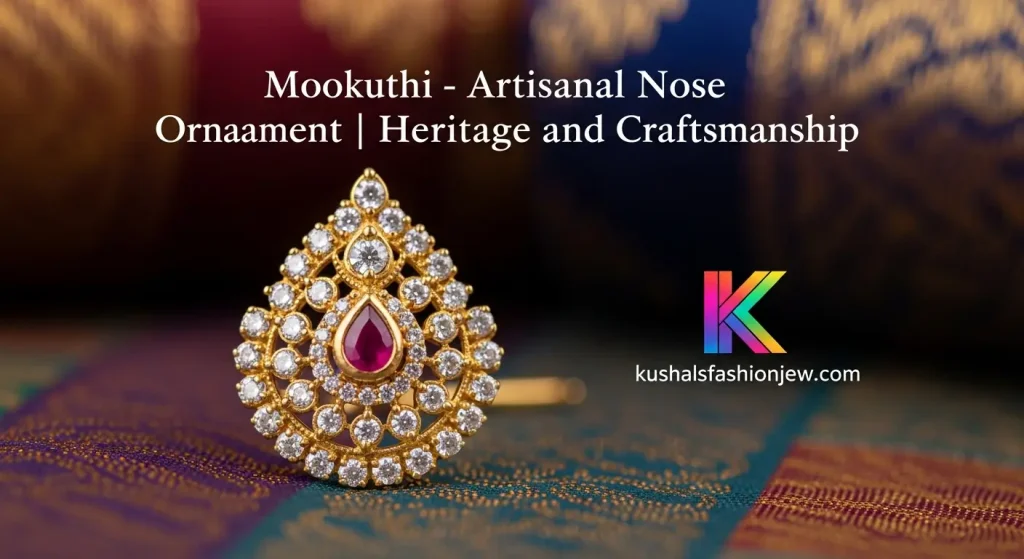
Welcome to KushalsFashionJew. The Mookuthi – artisanal is a unique nose ornament that beautifully blends traditional South Indian culture with modern craftsmanship. Unlike mass-produced jewellery, an artisanal Mookuthi is handcrafted with attention to detail, making each piece a work of art. This ornament is not merely decorative; it carries deep cultural significance, reflecting heritage, personal identity and the stories of skilled artisans who create it.
Historically, nose ornaments have been an important part of South Indian tradition. They have been worn for centuries, symbolising beauty, social identity, marital status and sometimes spiritual beliefs. The artisanal Mookuthi revives this rich history while incorporating contemporary design elements, ensuring its relevance in modern fashion. Its delicate craftsmanship, cultural motifs and thoughtful design make it a perfect accessory for individuals who wish to celebrate their roots while making a stylish statement.
Understanding Mookuthi and Its Artisanal Nature
The Mookuthi is traditionally a nose ornament or nose pin worn primarily in South India. The word Mookuthi in the Tamil language literally refers to a nose adornment. Over centuries, this ornament has become an important element of personal and cultural expression. The artisanal aspect emphasises that each Mookuthi is carefully handcrafted, ensuring that every piece carries the unique touch of skilled artisans.
Unlike mass-produced ornaments, artisanal Mookuthis are designed with attention to detail, drawing inspiration from cultural motifs, traditional patterns and historical designs. Each piece represents artistic mastery and embodies South Indian heritage.
“The smallest piece of jewellery can profoundly reflect cultural identity and personal expression.”
Read Also: gold earrings
Historical and Cultural Background of Nose Ornaments
Ancient Origins of Nose Ornaments
Nose ornaments have been part of human culture for thousands of years. Archaeological evidence indicates that people in the Middle East, Africa and Australia wore nose ornaments long before they appeared in India. In India, nose adornments became closely associated with cultural identity, beauty, marital status and spiritual symbolism.
In South India, Mookuthis are typically smaller and refined, reflecting regional aesthetics. In contrast, northern Indian nose ornaments, such as Nath, are often larger and more elaborate. These variations illustrate how regional and cultural differences influence the design and meaning of nose ornaments.
Regional Variations and Symbolic Meanings
Across India, nose ornaments carry diverse meanings:
- In South India, Mookuthis are subtle and elegant, often representing cultural refinement.
- In northern India, nose rings signify marital status, social hierarchy and personal identity.
- Nose ornaments have historically been associated with health beliefs, spiritual symbolism and cultural practices.
These ornaments are not merely decorative. They preserve centuries of cultural practices while adapting to contemporary aesthetics.
Artisanal Mookuthi as a Cultural Revival
The phrase artisanal Mookuthi emphasises the revival of traditional nose ornaments through craftsmanship and thoughtful design. Artisans and designers in Chennai, India, have reinvigorated the Mookuthi by integrating heritage motifs with modern fashion.
Modern artisanal Mookuthis reflect temple architecture, cultural patterns and everyday life in South India. They connect tradition with contemporary style, appealing to younger generations seeking both cultural identity and personal expression.
“Each artisanal Mookuthi tells a story that connects the wearer to history, heritage and individuality.”
This approach ensures that the Mookuthi remains relevant, meaningful and admired in the modern world.
Craftsmanship Behind the Artisanal Mookuthi
Creating an artisanal Mookuthi involves meticulous design, careful selection of materials and expert handcrafting. The process can be broken down into several stages:
Cultural Research and Design Conceptualisation
Artisans study cultural motifs, historical patterns, temple carvings and regional art forms to design a Mookuthi that is authentic and meaningful. This research ensures that each piece accurately represents South Indian cultural heritage.
Material Selection
Artisanal Mookuthis are crafted using high-quality materials such as gold, silver and precious gemstones. The choice of material is based on the design and intended use of the ornament.
Handcrafting and Finishing
Each Mookuthi is meticulously handcrafted. Skilled artisans shape, polish and finish every piece by hand, resulting in subtle variations that make each ornament unique. This handcrafted process adds both emotional and artistic value.
“Handcrafted jewellery carries the personality, skill and dedication of the artisan in every detail.”
Cultural Significance and Emotional Value
Mookuthis are more than ornamental jewellery. They hold deep cultural and emotional significance and represent:
- Connection to family heritage
- Celebration of cultural identity
- Personal milestones or memories
Wearers often select designs that resonate with their personal experiences or family traditions. The Mookuthi, therefore, serves as a meaningful medium for storytelling, cultural continuity and self-expression.
“A Mookuthi is a small ornament that carries stories, emotions and heritage.”
Contemporary Fashion and the Modern Wearer
The artisanal Mookuthi has seen a resurgence in contemporary fashion. What was once reserved for ceremonial use is now a versatile fashion accessory suitable for daily wear. Young individuals combine Mookuthis with traditional attire as well as modern outfits, creating a distinctive fusion of culture and style.
Modern Mookuthis offer multiple advantages:
- Celebration of cultural identity
- Expression of personal style
- Integration of traditional aesthetics with modern fashion trends
This adaptability ensures that artisanal Mookuthis remain desirable across generations.
Collections and Design Inspirations
Artisanal Mookuthi designs are inspired by diverse cultural elements:
Athangudi Tile Inspired Designs
Certain designs draw inspiration from Athangudi tiles, which are traditional handcrafted tiles from Chettinad. These tiles are known for their vivid colours and geometric patterns. Translating such expansive designs into small nose ornaments requires exceptional craftsmanship and creativity.
Temple Architecture Motifs
Some Mookuthis incorporate patterns derived from South Indian temple architecture, reflecting symmetry, detailed carvings and traditional symbols. Each ornament thus becomes a miniature representation of cultural artistry.
Everyday Cultural Inspirations
Other designs are inspired by everyday cultural practices, such as kolam patterns drawn outside homes, village art forms and local crafts. These elements bring authenticity and relatability to each design.
“Designs inspired by heritage and daily life make the Mookuthi a bridge between tradition and personal expression.”
How to Choose and Wear an Artisanal Mookuthi
Selecting the appropriate Mookuthi requires consideration of several factors:
- Face Shape and Proportions: the ornament should complement the wearer’s facial features.
- Material Choice: gold, silver or gemstones should be selected based on preference, occasion and durability.
- Design Style: choose between traditional motifs or minimalist modern designs.
- Cultural and Emotional Significance: select a design that resonates with personal identity, heritage or meaningful experiences.
“Selecting a Mookuthi is not only a fashion choice but also a reflection of personal identity and heritage.”
Supporting Sustainable Artisanal Craftsmanship
Artisanal Mookuthis promote sustainable and ethical practices:
- Handcrafted production reduces environmental waste.
- Local artisans receive fair support, preserving cultural heritage.
- Emphasis on quality over mass production ensures longevity and authenticity.
Supporting artisanal craftsmanship ensures that traditional skills are preserved for future generations.
Cultural Impact and Representation
The artisanal Mookuthi has significantly influenced how traditional ornaments are perceived in both local and global contexts. Pop-up exhibitions and cultural events highlight the significance of these ornaments, allowing people to learn about South Indian heritage and craftsmanship.
“The artisanal Mookuthi demonstrates how even small cultural artefacts can carry profound significance in fashion, heritage and personal expression.”
Frequently Asked Questions (FAQs)
What is a Mookuthi?
A Mookuthi is a traditional South Indian nose ornament or nose pin. It is worn as a cultural accessory and often signifies heritage, identity and beauty.
What does artisanal Mookuthi mean?
An artisanal Mookuthi is handcrafted by skilled artisans using traditional techniques. Each piece is unique, combining cultural motifs with modern design aesthetics.
What materials are used in artisanal Mookuthis?
Artisanal Mookuthis are typically made from gold, silver and sometimes include gemstones. High-quality materials are chosen to ensure durability and elegance.
How do I choose the right Mookuthi?
Consider your face shape, personal style, occasion and the cultural or emotional significance of the design. Traditional and modern designs are both available.
Why is supporting artisanal Mookuthis important?
Purchasing artisanal Mookuthis helps preserve traditional craftsmanship, supports local artisans and promotes sustainable jewellery practices.
Can Mookuthis be worn with modern fashion?
Yes. Artisanal Mookuthis are versatile and can be paired with both traditional attire and contemporary outfits, creating a unique blend of style and culture.
Conclusion
The artisanal Mookuthi represents a remarkable blend of tradition, culture and modern craftsmanship. It is not merely a decorative ornament but a symbol of heritage, identity and personal expression. Each handcrafted piece tells a story, reflecting South Indian history, artistry and cultural motifs. Its revival in contemporary fashion allows both younger and older generations to connect with their roots while embracing style and individuality. Supporting artisanal Mookuthis ensures the preservation of traditional skills, sustains local artisans and promotes sustainable craftsmanship. In essence, the Mookuthi celebrates the timeless beauty of culture, creativity and personal expression, making it a meaningful and elegant adornment.