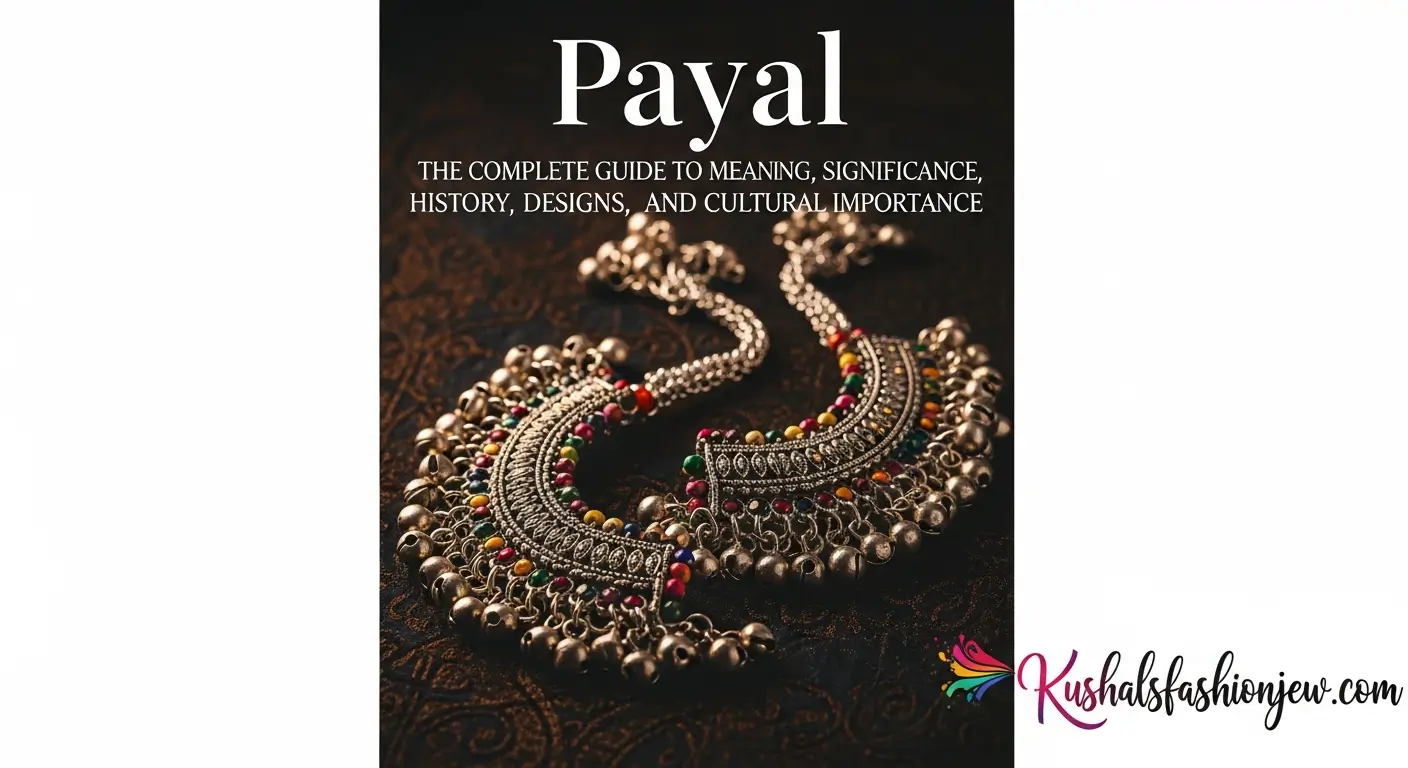
Welcome to kushalsfashionjew Payal is one of the most cherished pieces of traditional jewelry in South Asian culture and beyond. In this extensive guide, we explore everything about Payal from its symbolic meaning and historical roots to modern trends, styling tips, cultural importance, and practical care. Payal, the Indian anklet, has shaped fashion and cultural identity for centuries, bridging history and contemporary style with elegance and grace. Payal is more than jewelry; it is a symbol of elegance, tradition, and cultural pride reflected in every step.
What Is Payal? An Introduction
In the simplest terms, payal is a type of anklet worn around the ankle, traditionally by women in India and other South Asian regions. The word payal refers specifically to the anklet in Hindi, while in various regions it may also be known by names like jhanjar, nupur, golusu, pazaib, or pattilu.
Anklets have existed for thousands of years and are worn for both ornamental and cultural reasons. They may consist of a simple chain or be adorned with bells, charms, gemstones, beads, or intricate carvings.
Payal is traditionally made of silver, although contemporary examples include gold, gold‑plated metals, beads, and even thread designs. Silver’s association with lunar energy, purity, and protection against negative forces makes it a preferred choice in many cultures.
Read Also: necklace design
Historical Roots and Evolution of Payal
Ancient Origins
Customer service Payal’s origins trace back thousands of years. Archaeological evidence from the Indus Valley Civilization (around 2500 BCE) has revealed anklets, confirming that anklets were essential adornments in ancient South Asian societies. These early versions were made from metals like silver and copper and served as both decoration and cultural markers.
Early texts and temple sculptures also depict anklets on dancers, deities, and noble figures, suggesting that they represented not only beauty but divine rhythm and musical harmony.
Symbolic Mentions in Mythology
In classical Indian literature and mythology, payal is often associated with stories of gods and human lovers. One well‑known example is the poetic imagery describing the sound of Radha’s anklets ringing as Lord Krishna listens in devotion. This metaphor symbolizes presence, longing, and beauty.
Historical royal courts, including Mughal and Rajput eras, celebrated intricate payal designs crafted with pearls and gemstones, often given as treasures within royal dowries.
Transition Over Time
As centuries passed, payal evolved from heavy and ornate ceremonial anklets to lighter versions suited for everyday wear. While traditional anklets remain popular for weddings and festivals, modern designs embrace minimalism and versatility to match contemporary fashion tastes.
Cultural Significance of Payal in South Asia
The soft jingling of payal symbolizes presence, celebration, and the rhythm of life.
Payal holds deep cultural meaning that varies across regions, yet resonates with shared themes of womanhood, beauty, and spiritual symbolism.
Symbol of Femininity and Beauty
Across India and neighboring cultures, payal is traditionally linked with femininity and grace. The gentle sound of bells with each step is considered enchanting and evocative of elegance. This melodic aspect connects the wearer to tradition and aesthetic harmony.
Ritual and Social Importance
In many communities, payal is an integral part of the wedding trousseau known as solah shringar, which represents sixteen adornments a bride wears on her wedding day. Its presence signifies marital joy, prosperity, and cultural identity.
Payal also plays a role in various festivals, rites of passage, and celebrations such as baby showers, where tiny anklets may be gifted to girls as blessings for their future.
Spiritual and Protective Beliefs
In traditional belief systems, especially those influenced by Ayurveda and astrology, wearing silver anklets is thought to promote balance, positive energy, and protection against negative forces. Silver is associated with calming lunar energy, contributing to emotional and physical well‑being.
Regional Traditions and Variations
Different regions in South Asia have unique payal styles and cultural meanings. For example:
In Rajasthan and Marwari tradition, heavy silver kada payal symbolizes pride, strength, and celebration. In Sindh (Pakistan), payal and pazaib represent both everyday adornment and bridal jewelry, featuring intricate enamel and filigree work. In South India, anklets may be paired with toe rings or designed with temple motifs reflecting local craftsmanship
Anatomy of Payal: Materials, Components, and Types
Payal is more than a simple anklet. Each design elementfrom metal choice to ornamentationadds meaning and style. Below, we break down the key features of this jewelry.
Materials Used
Traditionally, payal has been crafted in silver due to cultural beliefs that gold is too auspicious for feet. Silver has symbolic ties to lunar energy, purity, and grounding, making it ideal for payal.
Modern payal materials include:
- Sterling Silver – Classic and timeless choice with cultural significance.
- Gold Plated Silver – Offers the warmth of gold without the traditional restrictions.
- Beaded and Gemstone Payal – Embellished with stones like kundan, pearls, or colored beads for decorative flair.
- Oxidized Silver – Antique finish for bohemian or rustic appeal.
- Thread or Fabric Anklets – Lightweight and colorful, often used for casual or artistic expression.
Common Types of Payal
Payal designs vary widely in complexity and purpose. Below are some popular categories:
Classic Chain Payal
This is a simple, elegant chain that wraps around the ankle. Often minimalist, it suits daily wear and modern outfits.
Ghunghroo Payal
Adorned with tiny bells (ghungroos), this payal produces a musical tinkling as the wearer walks, enhancing dance performance and movement.
Charm and Beaded Anklets
These include decorative elements like hearts, initials, or colorful beadspopular among younger wearers looking for expressive styles.
Gemstone and Kundan Payal
Heavily embellished with stones like kundan, these payals offer a royal and festive appearance, ideal for weddings and celebrations.
Personalized Payal
Modern trends include customized anklets with engraved names or initials reflecting individual personality and unique identity.
Heavy Bridal Payal
Traditional bridal payals are larger, ornate, and often passed down as heirlooms. They may include intricate carvings and multiple layers reflecting craftsmanship and cultural heritage.
Styling Payal: Traditional and Modern Fashion Tips
Payal is remarkably versatile, complementing both ethnic wear and modern outfits.
Pairing with Traditional Attire
For classical ensembles like sarees, lehenga cholis, or salwar suits, payal adds traditional refinement and charm. It enhances the cultural aesthetic and completes the ethnic look with elegance.
Payal with tiny ghungroos is particularly effective for dance forms like Bharatanatyam or Kathak, where every movement resonates with musical rhythm.
Fusion with Western and Indo‑Western Looks
Modern fashion allows creative pairings of payal with dresses, maxi skirts, palazzos, and even jeans. Minimalist or beaded payal designs work best in casual or semi‑formal settings.
For beach or summer looks, pair simple anklets with sandals or barefoot steps to highlight the jewelry against relaxed style and natural settings.
Matching with Footwear
Choosing the right footwear can elevate your payal look:
- Open‑toe sandals help Payal stand out
- Bare feet or barefoot sandals emphasize minimalist elegance.
- Closed shoes may not highlight the anklet effectively.
Layered and Stacked Styles
Just as necklaces are layered, anklets can be stacked with different textures and designs. Combining thin chains with delicate charms offers visual depth. However, balanced layering is key to avoiding a cluttered appearance.
Symbolism and Cultural Beliefs Associated with Payal
Payal and Marriage
In many communities, payal signifies marital status and prosperity. It is often one of the first pieces of jewelry given to a bride as a symbol of her new life and blessings for happiness and fertility.
Spiritual Harmony and Rhythmic Presence
The sound produced by ghungroo payals carries symbolic meaning. It represents presence without words, announcing the wearer’s arrival gracefully and creating rhythmic harmony in movement.
Traditional Health Beliefs
Some traditional beliefs, particularly in Ayurveda, suggest that wearing anklets can stimulate nerve endings around the ankle, improve circulation, and channel positive energy. Whether rooted in science or tradition, these ideas have shaped the cultural embrace of payal through time.
Modern Trends and Contemporary Innovations
As fashion evolves, Payal has adapted beautifully to modern tastes while honoring tradition.
Minimalist Payal
Clean, sleek anklets suited for daily and casual wear are trending heavily. These modern payals avoid bells and heavy accents while retaining a refined look.
Personalized and Custom Designs
Engraved payals with names, initials, or motifs have grown in popularity, blending aesthetic appeal with individual identity.
Fusion Jewels
Contemporary designers combine cultural elements like temple motifs with modern metals and finishes to appeal to fashion‑forward audiences.
Celebratory and Event‑Focused Styles
For big occasions like weddings, festivals, and celebrations, bold payal designs with gemstones or multi‑layered chains bring traditional glamour to the spotlight.
Caring for Your Payal: Tips and Best Practices
Payal, especially those made from precious metals, require proper care to maintain shine and longevity.
Deep Cleaning
If your payal becomes heavily tarnished, use a mild silver cleaner or a homemade solution of baking soda and water. Rub gently and rinse thoroughly. Always dry completely before storing.
Handling Stones and Embellishments
Payals embellished with stones or charms should be treated with extra care. Avoid rough handling and store separately to prevent scratches or loss of delicate elements.
How to Choose the Right Payal for You
Choosing the perfect payal depends on your purpose, style preference, and cultural context.
For Everyday Wear
Opt for lightweight silver chains, minimal charms, or beaded designs that blend with casual outfits.
For Traditional Occasions
Select heavier, ornate payals with bells, gemstones, or traditional motifs to match ethnic attire.
For Weddings
Choose elaborate bridal payals featuring craftsmanship, gemstone accents, and layered designs suitable for festive settings.
For Gift Giving
Payals make meaningful gifts at weddings, baby showers, birthdays, and festivals. Silver payals symbolize blessings and elegance.
Comparison: Traditional vs Modern Payal Styles
Below is a simple overview comparing old and new payal aesthetics:
| Feature Aspect | Traditional Payal | Modern Payal |
| Material | Heavy silver, often with bells | Silver, plated, minimal metals |
| Design | Intricate craftsmanship | Minimal, sleek, personalized |
| Occasion | Weddings, rituals, festivals | Everyday wear, fusion outfits |
| Sound | Audible jingling | Subtle or silent |
| Cultural Symbolism | Strong traditional meaning | Trend‑oriented aesthetic |
Iconic Moments and Artistic Representations
Payal has played a role in artistic and cultural expressions, including film, literature, and dance. In classical dance forms, payals are essential for rhythm and expression, while in folklore and poetry, the tinkling anklet signifies longing, arrival, or divine presence.
Frequently Asked Questions
What does Payal mean culturally?
Payal represents beauty, femininity, and often signifies marital status or celebration. It is traditionally worn during weddings, festivals, and cultural events, carrying the symbolic meaning of grace and presence.
Why are payals usually made of silver?
Silver is linked with lunar energy, purity, and grounding, making it culturally appropriate for anklets. Traditionally, gold was reserved for upper-body jewelry and was avoided for the feet.
Are payals still trendy in modern fashion?
Yes. Minimalist and personalized payal designs are fashionable and compatible with Western and Indo‑Western outfits, making them popular in daily and festive wear.
How should I care for my payal?
Clean gently with a soft cloth, avoid water exposure, store carefully, and use mild cleaning solutions for deeper care to prevent tarnish.
Can Payal be worn with casual outfits?
Absolutely. Lightweight, minimalist payals complement casual and semi‑formal outfits, adding charm without overpowering the look.
Conclusion
Payal is far more than a decorative anklet; it is a symbol of tradition, elegance, and cultural identity that has endured for centuries. From ancient civilizations to modern fashion trends, Payal reflects femininity, grace, and spiritual significance. Its versatile designs, from classic silver chains to ornate bridal anklets with bells and gemstones,s allow wearers to express personal style while honoring heritage. Beyond aesthetics, Payal carries symbolic meanings linked to marriage, prosperity, and positive energy. Proper care ensures its longevity and brilliance, making it a timeless accessory. Whether for daily wear, festive occasions, or weddings, Payal continues to celebrate tradition while embracing contemporary fashion.