Welcome To Kushalsfashionjew A pearl necklace represents a timeless classic in the world of jewelry and personal adornment. The pearl necklace has been celebrated for centuries as a symbol of elegance, refinement, and tradition. Pearl necklaces appear in royal collections, family heirlooms, and designer showcases, illustrating how this treasured accessory transcends trends and cultural boundaries.
At the heart of every discussion about a pearl necklace is not only its beauty but also what it signifies in fashion, culture, and personal expression. Whether selected as a gift, chosen for a special occasion, or appreciated as an investment piece, a pearl necklace carries layers of meaning. It is essential to understand what sets distinguished pieces apart, how to choose the right pearl necklace, and how to care for it so that it lasts a lifetime.
Understanding the Pearl Necklace
The concept of a pearl necklace is simple at first glance: a string of pearls worn around the neck. However, the complexity and diversity within this category reveal a rich world of craftsmanship, cultural history, and personal style. Pearls are unique among gemstones because they are created by living organisms. This gives them a lustrous quality and subtle variations that set each pearl necklace apart.
Pearl necklaces vary greatly in price, appearance, and cultural significance. Some are simple and understated, ideal for everyday wear, while others are luxurious and statement-making. Understanding the fundamentals of pearls and how they are assembled into necklaces helps in making informed decisions, whether you are buying, collecting, or gifting.
What Defines a Pearl Necklace
A pearl necklace consists of pearls strung together, often with a clasp to secure the piece around the wearer’s neck. The term “pearl necklace” applies to many styles and designs, from a single-strand classic to multi-strand artistic arrangements. The beauty of a pearl necklace depends on the type of pearls used, the design of the strand, and the care taken in its manufacture.
Every pearl necklace has defining features that influence its appearance and value. These include the size, shape, color, luster, and surface quality of the pearls. The way the necklace is strung, knotted, and finished also affects its durability and visual appeal.
The Enduring Appeal of Pearl Necklaces
Pearl necklaces have maintained their allure for centuries because they embody grace and versatility. They can complement formal gowns, business wear, and even casual outfits. Unlike other gemstones that rely on brilliance and sparkle, pearls offer a soft radiance that feels both luxurious and approachable. This distinct appeal has made the pearl necklace a staple in wardrobes around the world.
Read Also: pendant
The History of Pearl Necklaces
To fully appreciate a pearl necklace, it is important to look at its history. Pearls have fascinated human beings for thousands of years, cherished by ancient civilizations and modern fashion icons alike. Exploration of the historical journey of pearl necklaces reveals how they became one of the most revered forms of jewelry.
Ancient Origins
Customer service pearls were among the first gems treasured by humans. Long before the invention of metal tools, people collected pearls from shallow waters. Ancient texts and artifacts show that pearls were symbols of wealth and divine beauty. In many early cultures, a pearl necklace was a luxury reserved for royalty or the elite.
In ancient China, pearls were believed to offer protection and wisdom. In the Roman Empire, pearls were a status symbol more valuable than gold. Even in Hindu mythology, pearls are associated with purity and spirituality. These early beliefs set the stage for the pearl necklace to be admired across continents.
Pearls in the Middle Ages and Renaissance
During the Middle Ages, pearls gained prominence among the European nobility. Portraits from that time often depict queens and aristocrats wearing multiple strands of pearl necklaces. A pearl necklace enhanced social status and was frequently passed down as a family heirloom.
The Renaissance era saw a surge in artistic representations of pearls. They appeared in paintings, sculptures, and literature, reinforcing their association with beauty and sophistication. Pearl necklaces became prized possessions in royal courts.
Modern Evolution
With the advent of cultured pearls in the early twentieth century, the world of pearl necklaces transformed. Before cultured pearls, all pearls were harvested from the wild, which made them rare and extremely expensive. Cultured pearls expanded access to pearl necklaces, allowing more people to enjoy this elegant accessory.
Fashion icons like Audrey Hepburn and Princess Diana helped cement the pearl necklace as a symbol of classic beauty in modern culture. Today, pearl necklaces continue to be stylistically relevant, featured in runway shows, celebrity appearances, and everyday fashion.
A pearl necklace carries centuries of cultural significance, blending tradition with timeless style.
How Pearls Are Formed
The defining element of a pearl necklace is the pearl itself. Understanding how pearls are formed sheds light on why each pearl and, by extension, each pearl necklace is unique. Unlike gemstones that are mined from the ground, pearls are produced inside mollusks such as oysters and mussels.
Natural Pearl Formation
A natural pearl forms when an irritant, such as a grain of sand or a parasite, enters the soft tissue of a mollusk. In response, the mollusk secretes layers of nacre to coat the irritant. Nacre is composed of microscopic crystals that reflect light, giving a pearl its characteristic luster.
Natural pearls are rare because the conditions required for their development occur infrequently. Because of this rarity, natural pearls are highly valued and often found in museum collections or high-end antique jewelry.
Cultured Pearl Formation
Most pearl necklaces available today use cultured pearls. The process begins when a technician inserts a small bead or piece of tissue into a mollusk, intentionally creating an irritant around which nacre can accumulate. The mollusk is then returned to water and cared for until the pearl develops.
Cultured pearls offer consistency in size and quality, making them more accessible than natural pearls. They are graded and selected to create necklaces with a uniform appearance and desired characteristics.
Freshwater and Saltwater Pearls
Pearls are also distinguished by where they are formed. Freshwater pearls come from mussels in rivers, lakes, or ponds. Saltwater pearls are produced by oysters in the ocean. These environments impact the appearance and qualities of the pearls, contributing to the diversity seen in pearl necklaces.
Types of Pearls Used in Necklaces
Pearl necklaces may feature different types of pearls, each with unique characteristics. Understanding these types helps when choosing the right necklace for style, occasion, or budget.
Freshwater Pearls
Freshwater pearls are known for their range of shapes and colors. They are typically more affordable and are favored for creative designs. Freshwater pearl necklaces can include perfectly rounded pearls or those with unique shapes that add artistic flair.
Freshwater pearls tend to have a slightly softer luster compared to saltwater pearls. Despite this, they remain a popular choice for both casual and formal pearl necklaces.
Akoya Pearls
Akoya pearls are among the most classic choices for pearl necklaces. They are primarily produced in Japan and China and are valued for their high luster and near-perfect round shapes. Akoya pearl necklaces often feature white or cream-colored pearls with subtle rose or silver overtones.
These pearls are ideal for traditional single-strand necklaces and are frequently used in bridal jewelry.
South Sea Pearls
South Sea pearls are known for their exceptional size and silky luster. They are cultivated in the waters around Australia, Indonesia, and the Philippines. These pearls are typically white, silver, or golden in color.
A pearl necklace made from South Sea pearls is often considered a luxury piece due to the rarity and size of these pearls. They are larger than most other types and have a soft, elegant glow.
Tahitian Pearls
Despite their name, Tahitian pearls are not always black. They are grown in French Polynesia and are known for their deep colors, which range from dark gray to green, peacock, and even aubergine. Tahitian pearl necklaces make bold fashion statements thanks to their rich tones and substantial size.
Evaluating the Quality of a Pearl Necklace
When examining a pearl necklace, several factors determine its overall quality and value. These characteristics help distinguish between ordinary and exceptional pieces. Whether purchasing a pearl necklace as an investment or a personal keepsake, understanding these criteria is essential.
Luster
Luster refers to the way light reflects off the surface of a pearl. High-quality pearls have a sharp, bright reflection that seems to emanate from within. Poor luster looks dull and muted. A necklace with consistently high luster across all pearls appears more vibrant and valuable.
Surface Quality
Surface quality involves the amount of blemishes, pits, or irregularities on the pearl surface. The fewer the surface imperfections, the higher the grade. Surface quality impacts both appearance and light reflection.
Shape
Pearls come in a variety of shapes, including round, near-round, oval, button, and baroque. Perfectly round pearls are the most sought after and often command higher prices. Baroque and uniquely shaped pearls are valued for artistic designs and individuality.
Size
Size is measured in millimeters, and larger pearls are generally more valuable. However, personal preference plays a role, as some people prefer smaller, delicate pearl necklaces while others favor bold, oversized looks.
Color
Pearls exhibit a range of colors from white and cream to gold, gray, and black. Some colors are naturally occurring,g while others result from treatments. While color preference is subjective, uniformity in color within a necklace is desirable.
Matching
A high-quality pearl necklace has well-matched pearls in terms of size, color, shape, and luster. Skilled stringing and sorting ensure that the necklace appears balanced and harmonious as a whole.
Designing and Wearing Pearl Necklaces
The design of a pearl necklace speaks to personal style and the occasion for which it is worn. Designers use pearls in innovative arrangements, but classic simplicity remains enduring. Understanding these designs helps in choosing a necklace that reflects one’s individuality.
Classic Single-Strand Necklace
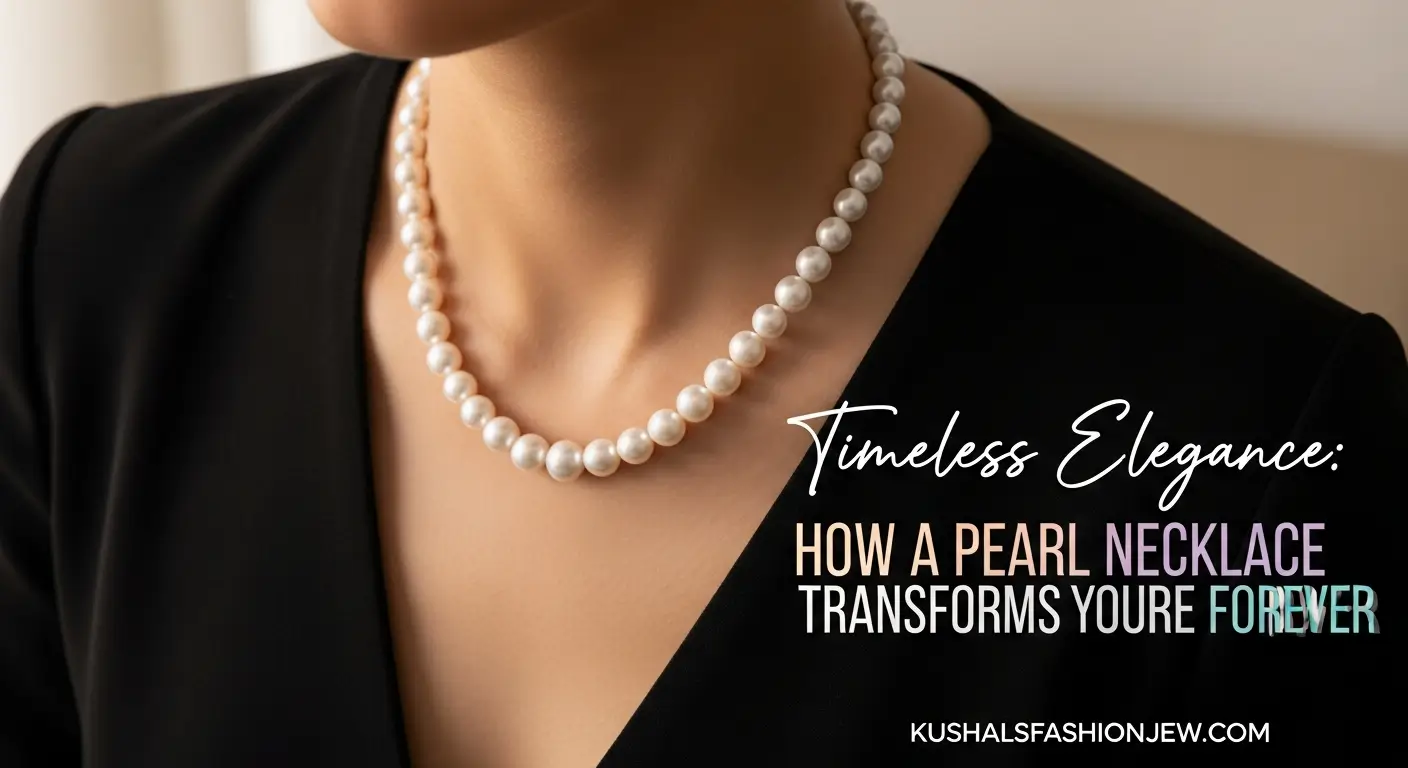
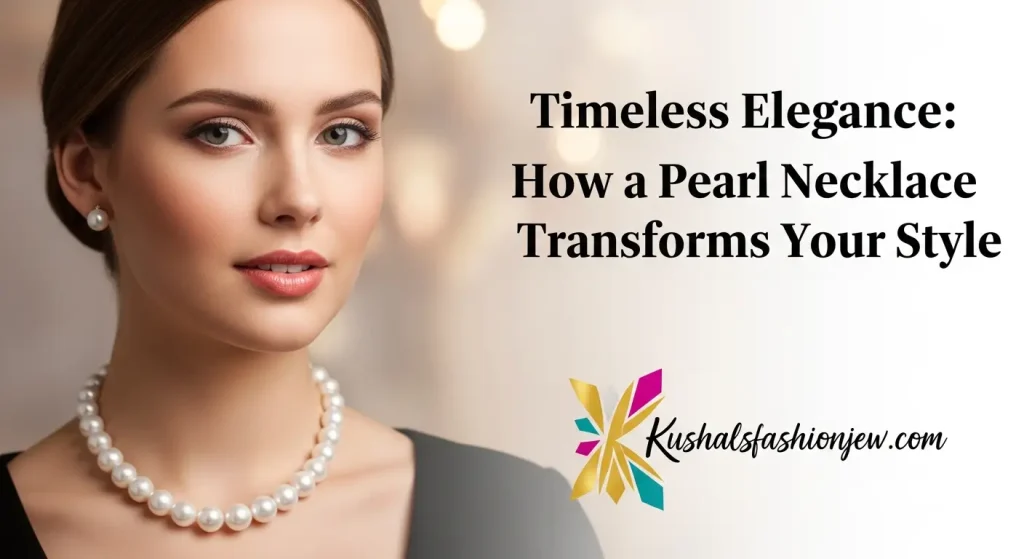
The classic single-strand pearl necklace is the most iconic and widely recognized design. It typically features uniformly sized pearls and a simple clasp. This design pairs elegantly with formal wear and business attire alike.
Multi-Strand Necklaces
Multi-strand pearl necklaces stack layers of pearls to create a more elaborate look. These designs are often seen in evening wear or artistic fashion statements. Layering strands can vary in length, creating a tiered effect.
Pearl Pendants and Mixed Styles
Some pearl necklaces incorporate pendants, gemstones, or metalwork to add visual interest. Mixed styles allow for greater creativity, blending traditional pearls with modern design elements.
Choosing the Right Pearl Necklace
Selecting the right pearl necklace depends on personal taste, budget, and intended use. There are several considerations that help in making a thoughtful choice.
Matching the Occasion
Consider where and how often the pearl necklace will be worn. Simple single-strand designs are versatile for everyday elegance and business functions. Statement pieces with larger or more colorful pearls may be reserved for special events.
Complementing Personal Style
Think about how the pearl necklace reflects your personal style. If you prefer minimalism, a delicate strand with small pearls might be ideal. For those who embrace bolder fashion, larger pearls or multi-strand designs can make a strong impression.
Budget and Value
Pearl necklaces come in a wide range of prices. Setting a budget helps narrow choices, but it is also wise to balance cost with quality. Investing in a well-crafted pearl necklace ensures longevity and enduring appeal.
Caring for Your Pearl Necklace
A pearl necklace requires gentle care to maintain its beauty over time. Pearls are softer than other gemstones and susceptible to damage from chemicals, abrasion, and moisture. Proper care preserves the luster and longevity of your piece.
Everyday Care
After wearing a pearl necklace, gently wipe the pearls with a soft cloth to remove body oils and dirt. Avoid spraying perfume, hairspray, or lotion directly onto pearls as these substances can dull their luster.
Storage Practices
Store a pearl necklace separately from other jewelry to prevent scratches. Use a soft pouch or a lined jewelry box. Avoid airtight containers since pearls need moisture to retain their sheen.
Professional Maintenance
Regularly inspect the strand and clasp for wear and have it restrung periodically to prevent breakage. A professional jeweler can ensure knots between pearls remain secure.
Frequently Asked Questions
What makes a pearl necklace valuable?
Value comes from factors like luster, surface quality, size, shape, and pearl matching. Higher quality pearls produce more luminous necklaces that hold greater worth.
How do I choose between freshwater and saltwater pearls?
Freshwater pearls tend to be more affordable and varied in shape. Saltwater pearls, such as Akoya, South Sea, or Tahitian, offer distinctive luster and color. Consider your style preferences and budget when choosing.
Can I wear a pearl necklace every day?
Yes, but take care to avoid contact with chemicals and rough surfaces. Regular gentle cleaning helps maintain the necklace’s appearance.
How often should I have my pearl necklace restrung?
It depends on wear frequency. For regular wear, consider professional restringing every one to two years to ensure the strand remains secure.
Conclusion
The pearl necklace remains one of the most cherished forms of jewelry in the world. Its combination of natural beauty, historical depth, and versatile elegance gives it unmatched appeal. Whether you are selecting your first pearl necklace or adding to a collection, understanding the history, types, quality factors, and care practices empowers you to make informed and meaningful choices.
A pearl necklace symbolically intertwines nature’s artistry with human appreciation for refinement. It adapts with trends yet remains rooted in tradition. By recognizing the characteristics that contribute to its beauty and value, you can appreciate every nuance of this extraordinary accessory.