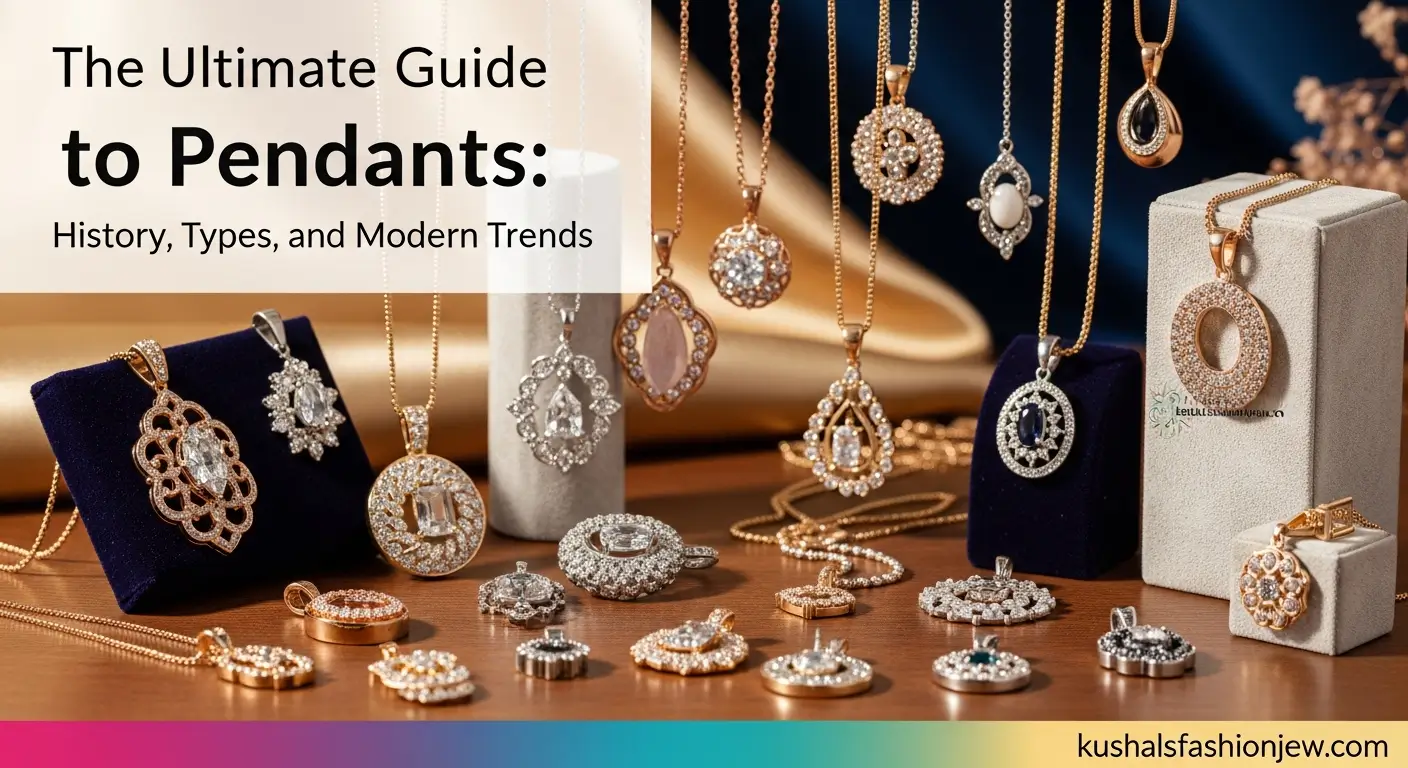
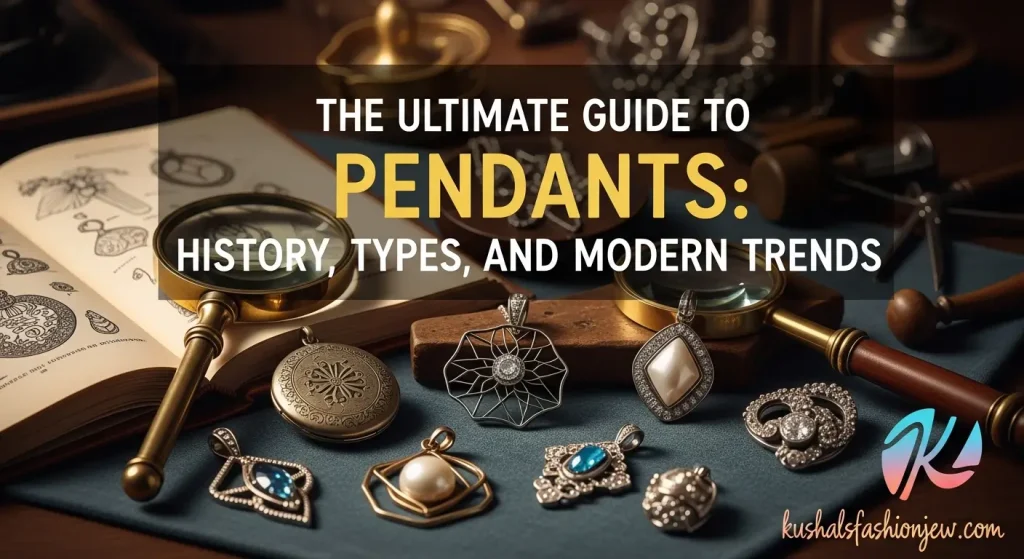
Welcome To Kushalsfashionjew Pendants have been a symbol of beauty, culture, and personal expression for centuries. They are not just decorative jewelry but carry significant meaning, history, and style. The pendant, a piece that hangs from a chain, cord, or necklace, is a timeless accessory that enhances the wearer’s personality and can convey deep symbolism. Whether you are seeking a fashion statement, a sentimental gift, or a cultural artifact, understanding pendants will help you make informed choices. A pendant is more than jewelry; it is a reflection of identity, history, and personal style.
Understanding Pendants: Definition and Significance
A pendant is a piece of jewelry that dangles from a necklace, bracelet, or even an earring. Derived from the Latin word pendere, meaning to hang, pendants serve both decorative and symbolic purposes. Throughout history, pendants have been worn for protection, spiritual significance, or simply as ornaments.
Pendants vary widely in design, material, and meaning. They can range from simple gemstone drops to intricate lockets that hold personal mementos. What makes a pendant unique is its ability to combine aesthetics with emotional value. Every pendant tells a story, capturing a moment, belief, or emotion in a small, elegant form.”
Read Also: silver bracelet
The History of Pendants
Pendants are ancient jewelry pieces, dating back to the Stone Age. Early humans crafted pendants from bones, shells, and stones, often for spiritual or ceremonial purposes. Over time, pendants evolved in design and materials, reflecting cultural, religious, and social influences.
Pendants in Ancient Civilizations
Egyptian Civilization
Egyptians wore pendants for protection and status. They often featured symbols such as the Ankh or scarab, representing life and transformation. Gold and precious stones were commonly used for royal pendants.
Greek and Roman Eras
In these eras, pendants were symbols of wealth and social status. Cameos and engraved gemstones were popular, often depicting gods, mythological scenes, or family crests.
Medieval Europe
Pendants became more religious during the medieval period. Crosses, saints, and holy relics were commonly worn as pendants to signify faith and devotion.
Modern Era
Today, pendants are versatile accessories used for fashion, personal expression, or sentimental value. Modern designs incorporate precious metals, gemstones, and innovative materials.
Types of Pendants
Pendants come in numerous styles and categories. Understanding these types helps in selecting the perfect pendant for your needs.
Gemstone Pendants
Gemstone pendants feature natural or synthetic stones, often set in precious metals. Popular gemstones include diamonds, emeralds, rubies, sapphires, and amethysts. They are often used for aesthetic appeal, birthstone representation, or personal symbolism.
Heart Pendants
Heart-shaped pendants are timeless symbols of love, affection, and emotional bonds. They are commonly gifted on occasions like anniversaries, weddings, or Valentine’s Day.
Initial and Name Pendants
Personalized pendants featuring initials or names are modern favorites. They allow individuals to express identity, commemorate loved ones, or carry personal significance.
Religious Pendants
Religious pendants hold spiritual meaning. Crosses, Om symbols, Buddha pendants, and other religious designs signify faith, protection, and devotion.
Lockets
Lockets are pendants that open to reveal photos or keepsakes. They are sentimental pieces often passed down through generations, preserving memories.
Natural and Organic Pendants
Natural materials such as wood, shells, or stones are used in organic-style pendants. These designs appeal to those who appreciate earthy, eco-friendly, and minimalist aesthetics.
Materials Used in Pendants
The choice of material affects both the appearance and the longevity of a pendant. Some commonly used materials include:
- Precious Metals: Gold, silver, and platinum offer durability and elegance.
- Gemstones: Diamonds, rubies, sapphires, and emeralds add color, sparkle, and symbolism.
- Organic Materials: Wood, bone, shells, and seeds provide a natural and earthy aesthetic.
- Glass and Enamel: These materials allow creative, artistic designs and vibrant colors.
- Mixed Materials: Combining metals, stones, and synthetic materials offers unique modern styles.
How to Choose the Right Pendant
Selecting a pendant requires attention to style, material, and personal significance. Consider these factors:
- Purpose: Is it for fashion, gifting, or spiritual purposes?
- Material: Choose materials that match durability, budget, and personal preference.
- Size and Style: Match pendant size to the wearer’s body and outfit style.
- Chain Compatibility: Ensure the pendant suits the necklace or cord it will hang from.
- Personal Meaning: Pendants with symbolic or emotional value are cherished longer.
Pendant vs Necklace: Understanding the Difference
A common confusion arises between pendants and necklaces. While both are jewelry pieces, there is a clear distinction:
- Pendant: The decorative or meaningful hanging element.
- Necklace: The chain, cord, or strand that supports the pendant.
A necklace can be worn alone, but a pendant needs a necklace to be displayed. Understanding this difference is essential when purchasing or styling pendants.
Modern Trends in Pendants
Pendants continue to evolve with fashion and cultural trends. Some modern trends include:
- Minimalist Pendants: Simple geometric shapes and small gemstones are popular for everyday wear.
- Layered Pendants: Wearing multiple pendants of varying lengths creates a stylish, layered look.
- Corded Pendants: Leather or fabric cords paired with unique pendants are trending again.
- Personalized Pendants: Custom engravings, initials, and birthstones remain in high demand.
- Sustainable Materials: Eco-conscious buyers prefer pendants made from recycled metals or natural materials.
How to Care for Your Pendant
Proper care ensures a pendant lasts and retains its beauty. Follow these guidelines:
- Storage: Keep pendants separate in soft pouches to avoid scratches.
- Cleaning: Use gentle jewelry cleaners for metals and gemstones. Avoid harsh chemicals.
- Regular Inspection: Check clasps, chains, and settings to prevent damage or loss.
- Avoid Moisture: Remove pendants before swimming, bathing, or exercising.
Pendants as Gifts: Symbolism and Meaning
Pendants are meaningful gifts for various occasions. They symbolize:
- Love and Affection: Heart-shaped pendants express emotions vividly.
- Spiritual Connection: Religious pendants convey faith and protection.
- Identity and Personalization: Initials, names, and birthstones add a personal touch.
- Milestones and Memories: Lockets and keepsake pendants preserve special moments
Pendants in Pop Culture
Pendants have been popularized through movies, music, and celebrities. Iconic pendants such as lockets in romantic films or gemstone pendants in music videos influence fashion trends worldwide. Celebrities often spark trends by wearing personalized, bold, or designer pendants, making them aspirational fashion accessories.
Table: Popular Pendant Types and Their Meanings
| Pendant Type | Material | Symbolism / Purpose | Popular Occasions |
| Heart | Gold, Silver | Love, affection | Anniversaries, Valentine’s Day |
| Gemstone | Diamond, Ruby, Emerald | Status, birthstones, beauty | Birthday, Gifts |
| Religious | Gold, Silver, Gemstones | Faith, protection | Religious ceremonies |
| Locket | Gold, Silver | Memories, keepsakes | Family gifts, Milestones |
| Name/Initial | Silver, Gold | Identity, personalization | Daily wear, Birthday gifts |
| Organic/Natural | Wood, Shells, Stones | Nature, minimalism | Casual, Eco-friendly wear |
How to Style Pendants
Pendants can complement outfits and accessories in various ways:
- Casual Wear: Small gemstone or natural pendants paired with simple tops.
- Formal Wear: Elegant gold or silver pendants with dresses or formal suits.
- Layering: Combine multiple thin chains with different pendants for a trendy look.
- Statement Pieces: Large or intricate pendants can be a centerpiece for evening events.
Frequently Asked Questions About Pendants
What is a pendant?
A pendant is a decorative piece that hangs from a necklace, bracelet, or earring, often used for style, symbolism, or personal expression.
How do pendants differ from necklaces?
A pendant is the ornament that hangs, while a necklace is the chain that holds it. A pendant needs a necklace to be worn.
What materials are pendants made from?
Pendants can be made from metals like gold and silver, gemstones, glass, enamel, wood, shells, or recycled materials.
What are the modern pendant trends?
Minimalist designs, layered pendants, corded styles, personalized pendants, and sustainable materials are popular today.
How do I choose the right pendant?
Consider purpose, material, size, style, compatibility with the chain, and personal meaning.
Conclusion
Pendants are not just ornaments; they are symbols of culture, history, and personal expression. From ancient civilizations to modern fashion trends, pendants have evolved while retaining their significance. They come in various types, materials, and styles, offering endless choices for personal use or gifting. Choosing the right pendant involves understanding its purpose, material, design, and symbolic value. Caring for a pendant ensures it remains a cherished piece for years. Ultimately, a pendant is a small yet powerful accessory that tells a story, reflects identity, and adds elegance to any ensemble.