
Temple jewelry holds a special place in traditional Indian fashion, symbolising grace, divinity and royal heritage. Originating centuries ago, this exquisite jewellery was initially crafted to adorn idols in South Indian temples. Over time, it evolved into an essential part of bridal and festive attire, representing not just beauty but cultural pride. The intricate craftsmanship, inspired by deities, temple carvings and mythological motifs, makes each piece a masterpiece of artistry and devotion. Whether it is a grand necklace, ornate earrings or a stunning waist belt, temple jewelry adds a touch of sacred charm and elegance to every traditional look.
In today’s fashion world, temple jewelry continues to captivate with its timeless appeal and cultural depth. Women wear these pieces not just for their visual beauty but for the spiritual and emotional connection they evoke. Gold remains the most popular metal for temple jewelry, often enriched with precious gemstones like rubies, emeralds and pearls. These elements reflect prosperity and tradition while enhancing the wearer’s grace. The rich designs, featuring gods and goddesses, elephants and floral patterns, make temple jewelry an expression of devotion and feminine power. Whether for weddings, religious ceremonies or cultural events, it transforms any outfit into a regal statement.
What makes temple jewelry even more fascinating is its versatility in modern styling. Fashion-forward women are now blending traditional temple pieces with contemporary outfits, creating a stunning fusion of past and present. From statement chokers paired with silk sarees to temple-inspired earrings styled with modern gowns, the possibilities are endless. This blend of heritage and innovation keeps temple jewelry relevant in today’s fashion scene. It is more than an accessory — it is a legacy passed down through generations, celebrating tradition with timeless elegance.
History and Cultural Significance of Temple Jewelry
Temple jewelry traces its roots back to ancient South India, particularly during the Chola and Pandya dynasties, where art and devotion flourished side by side. Originally, these ornaments were created by skilled artisans to adorn the idols of gods and goddesses in temples, symbolising reverence, beauty and spiritual abundance. Crafted in gold and embedded with precious gemstones, each piece reflected divine energy and royal craftsmanship. Over time, temple jewelry became associated with classical dancers, especially Bharatanatyam and Kuchipudi performers, who wore it to embody grace and tradition during performances. The detailed carvings, inspired by deities and temple architecture, turned it into a symbol of South Indian culture and artistic excellence.
As temple jewelry evolved, it became more than a religious adornment; it turned into a statement of identity and heritage. Families began passing these ornaments down through generations, making them a symbol of continuity and blessing. Each design carries stories of faith, prosperity and artistry, with motifs like Lakshmi, Ganesha, peacocks and lotus flowers symbolising divine virtues and auspiciousness. These motifs not only add beauty but also infuse spiritual meaning into every piece, making temple jewelry deeply significant in traditional ceremonies and rituals.
In modern times, temple jewelry continues to be celebrated across India and beyond, bridging ancient tradition with contemporary fashion. Brides wear it to reflect cultural pride and elegance, while fashion enthusiasts incorporate it into festive and modern looks for a touch of regality. The enduring popularity of temple jewelry lies in its ability to connect the wearer with history, spirituality and artistry all at once. It is not just jewelry — it is a tribute to India’s cultural roots, timeless craftsmanship and sacred beauty that continues to inspire every generation.
Key Features That Define Temple Jewelry Designs
Temple jewelry stands out for its divine motifs, intricate craftsmanship and rich symbolism. Each piece reflects the artistic excellence and cultural heritage of India. Let us explore the key features that make temple jewelry truly timeless.
Divine Motifs and Religious Symbols
The most distinctive aspect of temple jewelry is its use of motifs inspired by Hindu mythology and temple architecture. Designs often feature deities like Goddess Lakshmi, Lord Ganesha and Lord Krishna, symbolising prosperity, wisdom and divine energy. These sacred representations give the jewelry a spiritual significance, transforming it from a simple ornament into a symbol of devotion and protection. The presence of elephants, peacocks and lotus motifs adds layers of meaning, representing purity, strength and beauty in every piece.
Each motif is carefully carved or embossed by skilled artisans who bring ancient traditions to life through their work. The detailing is so intricate that even small pendants or earrings appear as miniature works of art. Whether crafted for temple idols, brides or dancers, these divine patterns reflect both artistic mastery and spiritual depth, making temple jewelry a cherished heirloom in every household.
Intricate Handcrafted Detailing
Temple jewelry is known for its remarkable handwork and fine detailing. Each ornament is crafted by traditional artisans who use age-old techniques passed down through generations. The process often involves hand-carving, engraving and filigree work that highlight the depth and texture of the metal. This manual artistry ensures that every piece is unique and filled with character, unlike mass-produced jewelry.
The beauty of handcrafted detailing lies in its precision and patience. Every curve, motif and setting is done with utmost care to maintain symmetry and elegance. Whether it is a grand necklace or a pair of jhumkas, the intricate designs reflect the artisan’s dedication and skill. This handcrafted essence not only enhances the jewelry’s aesthetic appeal but also preserves India’s cultural artistry in its purest form.
Rich Gold Base and Antique Finish
Temple jewelry is traditionally made of gold, reflecting wealth, divinity and grandeur. The warm glow of gold complements traditional attire and adds a regal touch to the overall look. In modern times, antique gold finishes have gained popularity for their vintage and rustic charm. This aged appearance gives temple jewelry a timeless allure, making it perfect for weddings, festivals and cultural events.
The antique finish not only enhances beauty but also adds durability, allowing the jewelry to retain its brilliance over decades. Artisans often polish or oxidise the gold to achieve a deep, royal tone that enhances the detailed carvings. This combination of luxury and tradition gives temple jewelry its signature look — elegant, authentic and steeped in heritage.
Use of Gemstones and Pearls
Gemstones and pearls play a vital role in enhancing the beauty of temple jewelry. Precious stones like rubies, emeralds and kundan are commonly embedded in gold settings, adding rich colour and vibrancy. Each gemstone carries a symbolic meaning — rubies for passion, emeralds for prosperity and pearls for purity. Together, they elevate the jewelry’s aesthetic and emotional value.
Pearls, in particular, add softness and contrast to the bold gold base. They are often used as drops or embellishments around necklaces and earrings, lending a graceful finish. The careful placement of gemstones and pearls showcases expert craftsmanship while maintaining balance and elegance. This blend of texture, colour and symbolism is what makes temple jewelry stand out as both luxurious and meaningful.
Heavy Traditional Appeal and Grandeur
Temple jewelry is celebrated for its majestic and royal appeal. Its bold and elaborate designs make it the perfect choice for weddings, dance performances and festive occasions. The grandeur of each piece lies in its size, weight and intricate layers, often combining multiple elements like pendants, motifs and chains. Wearing temple jewelry instantly adds a touch of royalty and cultural pride.
Despite its heavy appearance, temple jewelry maintains elegance and harmony. Every design balances richness with sophistication, ensuring the wearer looks both powerful and graceful. The majestic aura of these ornaments continues to make them a favourite among brides and traditional fashion lovers who seek to embody timeless beauty and divine energy.
Choosing Temple Jewelry for Different Occasions
Temple jewelry is versatile and can be styled for a variety of occasions, making it an essential addition to any traditional wardrobe. Weddings are one of the most popular events for temple jewelry, as its rich gold tones and intricate designs perfectly complement bridal attire. Brides often opt for elaborate necklaces, matching earrings, bangles and maang tikkas to create a regal look. The heavy designs, combined with gemstones and pearls, enhance the grandeur of sarees and lehengas, making the bride the centre of attention. Choosing the right temple jewelry for a wedding also involves coordinating with the colour and embroidery of the outfit to achieve a harmonious and elegant appearance.
Festivals and cultural celebrations are another occasion where temple jewelry shines. Events like Diwali, Navratri or regional temple festivals call for outfits that are bright, colourful and festive, and temple jewelry adds the perfect finishing touch. Lighter sets with modest pendants and jhumkas are ideal for day-long events, offering elegance without the heaviness of bridal pieces. Temple jewelry for festivals often incorporates traditional motifs such as peacocks, floral patterns and deity designs, which reflect cultural heritage while enhancing the celebratory mood. These pieces allow the wearer to honour tradition while looking stylish and graceful throughout the festivities.
Temple jewelry can also be adapted for semi-formal events or modern fusion looks. Pairing simpler necklaces or studs with contemporary sarees, anarkalis or even fusion gowns creates a balanced look that blends tradition with modern fashion. Layering lightweight chains or mixing antique-finished pieces with minimalist outfits allows for versatility and creativity. Choosing temple jewelry according to the occasion ensures that the jewelry complements both the attire and the event’s mood. Whether for weddings, festivals or cultural gatherings, temple jewelry enhances beauty, adds sophistication and keeps the wearer connected to their cultural roots while making a lasting impression.

Aheli Kundan Pearl Jhumki Earrings with Maang Tikka – Indian Traditional Bollywood Jewelry Set for Women & Girls
₹30.00
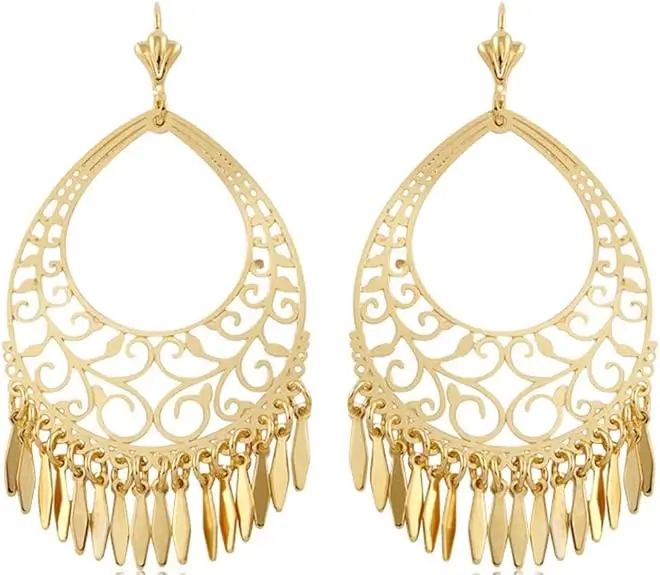
Barzel 18K Gold Plated Filigree Cut-out Dangling Chandelier Earrings – Made in Brazil
₹20.00
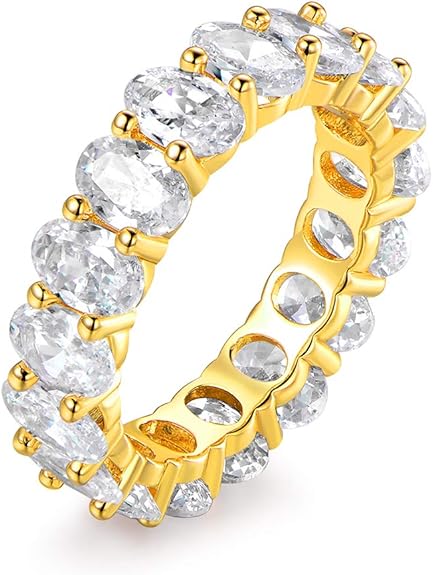
Barzel 18k White Gold/Rose Gold & Gold Plated Eternity Oval Cut Cubic Zirconia Eternity Ring Band
₹15.00

Bridal Temple Jewelry: Majestic Styles for the Big Day
Bridal temple jewelry is designed to make the bride look regal, elegant and deeply connected to tradition on her wedding day. These pieces are often the heaviest and most elaborate in a jewelry collection, featuring intricate carvings, gold bases and gemstone embellishments. Necklaces, earrings, bangles, maang tikkas and waist belts are commonly paired together to create a complete ensemble that enhances the grandeur of bridal attire. Temple jewelry draws inspiration from traditional motifs such as deities, lotus flowers, elephants and peacocks, symbolising prosperity, beauty and grace. The use of rubies, emeralds, pearls and kundan stones adds colour and richness, creating a majestic look that complements the intricate embroidery and vibrant colours of bridal sarees or lehengas.
Choosing the right bridal temple jewelry involves balancing size, weight and design with comfort and outfit style. While heavy necklaces and layered chains exude luxury, it is important that the bride feels comfortable wearing them throughout the day. Matching the jewelry with the bridal outfit’s neckline, colour palette and embroidery enhances the overall harmony of the look. Many brides also prefer customised or heirloom pieces to add personal meaning, combining tradition with emotional significance. The result is a striking and timeless appearance that photographs beautifully and leaves a lasting impression.
Bridal temple jewelry is not only about aesthetics but also a celebration of heritage and culture. Wearing these ornate pieces connects the bride to centuries of artistry and tradition, reflecting both elegance and spirituality. Each piece tells a story, making it a cherished part of the wedding ceremony and a treasured keepsake for generations. The grandeur, symbolism and craftsmanship of bridal temple jewelry ensure that the bride stands out with grace, confidence and timeless beauty on her special day.
Temple Jewelry for Festivals: Celebrating Culture with Grace
Temple jewelry holds a special place in festive celebrations, offering the perfect blend of tradition, elegance and cultural significance. Festivals like Diwali, Navratri, Pongal and regional temple events are moments when people embrace vibrant attire and ornate accessories. Temple jewelry enhances these looks with its intricate designs, rich gold tones and carefully placed gemstones. Pieces such as necklaces, earrings, bangles and maang tikkas are often chosen to complement the festive ensemble, adding a sense of grandeur while reflecting cultural heritage. The motifs, including deities, peacocks and floral patterns, not only beautify the jewelry but also bring spiritual significance, making each piece meaningful beyond its aesthetic appeal.
Choosing temple jewelry for festivals involves balancing elegance with practicality. Lighter sets with delicate detailing are ideal for long days of rituals, dances and gatherings, ensuring comfort without compromising style. Gemstone accents such as rubies, emeralds and pearls add colour and vibrancy, while antique finishes bring a touch of traditional charm. Layering necklaces or pairing statement earrings with simpler pieces allows for creative styling and keeps the overall look harmonious. Festival jewelry should enhance the outfit while highlighting personal style and cultural pride, making the wearer feel confident and radiant throughout the celebrations.
Temple jewelry during festivals is also a way to connect with heritage and pass down tradition through generations. Wearing these pieces preserves cultural artistry while embracing contemporary fashion sensibilities, as modern adaptations can be paired with both traditional sarees and fusion ensembles. The combination of craftsmanship, symbolism and aesthetic appeal ensures that temple jewelry remains a timeless choice for festive occasions, creating a sense of grace, sophistication and reverence in every look.
Pairing Temple Jewelry with Sarees and Traditional Attire
Temple jewelry and traditional attire like sarees, lehengas and anarkalis are a match made in cultural fashion heaven. The intricate designs and rich gold tones of temple jewelry complement the elegance of classic Indian garments, creating a cohesive and sophisticated look. Necklaces with detailed motifs, heavy earrings, bangles and maang tikkas enhance the regal appearance of silk sarees and embroidered lehengas, making the wearer appear graceful and majestic. Choosing temple jewelry that aligns with the outfit’s colour palette, embroidery and fabric ensures harmony, allowing both the jewelry and clothing to shine without overpowering each other. This thoughtful pairing highlights the wearer’s style while maintaining a deep connection to tradition.
When styling temple jewelry with traditional attire, it is important to consider the balance between jewelry size and outfit embellishments. If a saree or lehenga features heavy embroidery or embellishments, opt for simpler jewelry pieces that accentuate the outfit without creating a crowded look. Conversely, plain or lightly decorated garments benefit from statement temple jewelry pieces that add visual interest and elevate the overall ensemble. Matching the necklace style with the neckline of the blouse is also essential; for instance, deep necklines pair beautifully with layered necklaces, while boat necks or high collars are complemented by longer chains or single pendant designs. Proper coordination ensures that every piece contributes to a polished and harmonious appearance.
Pairing temple jewelry with traditional attire is not just about aesthetics — it is about expressing cultural pride and elegance. By selecting the right combination of jewelry and garments, the wearer can create a timeless look suitable for weddings, festivals or formal occasions. Layering bangles, choosing the perfect earrings and adding subtle gemstone accents can further enhance the outfit’s charm. This fusion of heritage and style allows for creative experimentation while honouring tradition. The result is a striking ensemble that exudes sophistication, confidence and a deep appreciation for India’s rich cultural artistry.
Mixing Temple Jewelry with Modern Outfits: Fusion Fashion Trends
Temple jewelry is no longer limited to traditional attire; in recent years, it has become a popular choice for creating fusion looks with modern outfits. Pairing ornate necklaces, statement earrings or intricately designed bangles with contemporary dresses, jumpsuits or minimalist gowns can create a striking balance between heritage and modern style. This approach allows fashion enthusiasts to incorporate cultural elements into everyday or semi-formal wear, making traditional jewelry relevant in today’s evolving fashion scene. The rich motifs, gold tones and gemstone accents of temple jewelry add depth and personality to simple modern outfits, transforming a minimal look into a statement ensemble that exudes elegance and sophistication.
When mixing temple jewelry with modern attire, careful styling is key to achieving harmony. Opt for a single statement piece, such as a bold necklace or chandelier earrings, while keeping other accessories minimal to avoid overwhelming the look. Temple jewelry with antique finishes works exceptionally well with neutral-coloured outfits, while pieces with vibrant gemstones can complement brighter attire. Layering delicate chains or stacking bracelets can also add a contemporary touch without compromising the traditional appeal of the jewelry. Balancing proportions, textures and colours ensures that the fusion style remains chic and visually appealing.
Fusion styling with temple jewelry offers limitless possibilities for personal expression. A simple strapless dress paired with a temple-inspired choker or a high-neck top accentuated with a long, ornate necklace can create innovative looks suitable for parties, cultural events or fashion-forward gatherings. Incorporating traditional motifs into modern styling highlights creativity, celebrates heritage and keeps temple jewelry relevant across generations. By blending the old with the new, this trend allows individuals to honour tradition while embracing contemporary fashion, resulting in versatile, unique and captivating ensembles.
Layering Techniques: Combining Necklaces, Earrings and Bangles
Layering temple jewelry is an art that can elevate any traditional or fusion outfit, creating a visually rich and sophisticated look. Combining necklaces, earrings and bangles in a balanced way allows each piece to shine while contributing to a cohesive ensemble. For necklaces, pairing a short choker with medium-length chains or a long pendant necklace adds dimension and draws attention to the neckline. Similarly, earrings can be layered with ear cuffs or studs, while bangles of different widths and textures can be stacked to create depth and rhythm on the wrist. Thoughtful layering ensures that the jewelry complements the outfit without appearing cluttered, enhancing both style and elegance.
The key to effective layering lies in balancing boldness with subtlety. If a statement necklace is the centrepiece, it is best to pair it with simpler earrings and a few delicate bangles to maintain harmony. Conversely, when wearing a set of intricate earrings, consider minimalist necklaces and bangles to avoid overwhelming the look. Mixing metals, antique finishes and gemstone accents can also add visual interest, but should be done with care to maintain cohesion. Paying attention to proportions, lengths and textures ensures that each piece enhances the others, creating a polished and intentional aesthetic.
Layering temple jewelry is also an opportunity to showcase personal style and creativity. Women can experiment with different combinations, mixing traditional pieces with modern elements for fusion outfits or creating a regal, fully traditional look for weddings and festivals. By mastering the art of layering necklaces, earrings and bangles, anyone can transform simple attire into a grand, captivating ensemble that celebrates both craftsmanship and individuality. This technique not only highlights the beauty of each piece but also adds a sense of depth and dimension, making every look more dynamic and elegant.
Gold vs. Antique Finishes: Selecting the Perfect Look
Gold Finish
A classic gold finish is the hallmark of traditional temple jewelry, offering a bright, luxurious appeal that complements a wide range of outfits. Gold-finished pieces are perfect for weddings, religious ceremonies and festive occasions, as they enhance the richness of sarees, lehengas and other traditional attire. The warm, lustrous glow of gold instantly adds grandeur and sophistication, making it ideal for brides and women who want to make a bold statement. Gold also pairs beautifully with colourful gemstones like rubies, emeralds and sapphires, allowing each motif and design detail to stand out.
Antique Finish
Antique finishes, on the other hand, provide a vintage charm that is subtle yet striking. These finishes often involve oxidising or darkening the metal to create a rustic, aged look that highlights intricate carvings and delicate motifs. Antique temple jewelry works well for fusion outfits or traditional wear where understated elegance is desired. It brings a sense of heritage and authenticity to the jewelry while offering versatility for both festive occasions and modern styling. Whether paired with bright or muted attire, antique finishes lend a unique, timeless appeal.
Choosing the Right Finish
Selecting between gold and antique finishes depends on the occasion, outfit and personal style. Gold finishes suit grand events and bridal looks, while antique finishes are perfect for subtle, heritage-inspired styling or contemporary fusion wear. Understanding how each finish interacts with fabrics, gemstones and overall attire ensures that temple jewelry enhances your ensemble, making it look polished, elegant and culturally rich.
Gemstone Accents: Adding Colour and Royal Charm
Gemstone accents play a vital role in enhancing the beauty and appeal of temple jewelry. Traditionally, pieces are adorned with rubies, emeralds, sapphires and pearls, which not only add vibrant colours but also symbolise various virtues. Rubies often represent passion and energy, emeralds stand for prosperity and growth, and sapphires convey wisdom and loyalty. Pearls add softness and elegance, creating a perfect balance with the richness of gold. These gemstones are carefully set into necklaces, earrings, bangles and maang tikkas, bringing depth, contrast and visual interest to the jewelry. By incorporating gemstones, temple jewelry achieves a royal and majestic look that instantly elevates traditional attire.
The placement and combination of gemstones are key to achieving harmony in temple jewelry designs. Skilled artisans ensure that colours, sizes and shapes complement each other, enhancing the overall aesthetic without overwhelming the intricate gold motifs. Multi-coloured gemstones can be arranged to highlight divine motifs, floral patterns or peacock designs, adding a dynamic and eye-catching effect. Even subtle gemstone accents, like tiny ruby drops or emerald highlights, can transform a simple necklace or pair of earrings into a statement piece. This thoughtful integration of colour enhances the jewelry’s versatility, making it suitable for weddings, festivals and other celebratory occasions.
Gemstone-accented temple jewelry is also highly versatile for styling. While traditional combinations work beautifully with sarees and lehengas, contemporary adaptations allow gemstones to be paired with fusion outfits, adding a pop of colour and sophistication. Whether choosing a bold statement necklace adorned with emeralds or delicate pearl-studded earrings, gemstone accents bring a sense of luxury, culture and individuality to every piece. The combination of gold craftsmanship and carefully selected stones ensures that temple jewelry remains timeless, royal and meaningful, making it a treasured addition to any jewelry collection.
Hair Accessories and Maang Tikkas: Completing Temple Jewelry Sets
Hair accessories and maang tikkas are an essential part of temple jewelry sets, completing the traditional look with elegance and cultural significance. Maang tikkas, worn on the forehead and often attached to the hair parting, are designed with intricate motifs, gemstones and pearls that complement necklaces and earrings. They not only enhance the bridal or festive look but also symbolise divine grace and auspiciousness. Similarly, hair accessories like temple-inspired hairpins, jadais and bun covers feature traditional motifs and gold finishes, adding a regal touch to hairstyles. These elements elevate the overall ensemble, ensuring that the wearer looks polished and culturally connected.
The design and placement of maang tikkas and hair accessories are crucial to achieving harmony with the rest of the jewelry. For instance, a heavy necklace set can be balanced with a moderately sized maang tikka, while delicate hairpins can enhance braid or bun hairstyles without overpowering the look. Gemstone accents and pearl drops are commonly added to these pieces to maintain continuity with the necklace, earrings and bangles. Thoughtful coordination ensures that each accessory contributes to a cohesive and visually appealing appearance, highlighting both beauty and tradition.
Beyond their aesthetic appeal, hair accessories and maang tikkas hold cultural and symbolic value. They are often worn during weddings, festivals and religious ceremonies, reflecting heritage and spiritual significance. Modern adaptations allow these traditional pieces to be paired with contemporary hairstyles and fusion outfits, making them versatile for various occasions. By including hair accessories and maang tikkas in temple jewelry sets, women can achieve a complete, regal look that celebrates tradition while enhancing elegance, ensuring a memorable and sophisticated appearance.
Care and Maintenance: Preserving the Shine and Craftsmanship
Temple jewelry is a timeless investment, but its intricate designs and delicate craftsmanship require proper care to maintain their beauty and longevity. Regular cleaning is essential to preserve the shine of gold and gemstone accents. Using a soft, damp cloth to gently wipe each piece helps remove dust, sweat and oils that accumulate over time. Avoiding harsh chemicals, perfumes and excessive moisture prevents tarnishing and discolouration, ensuring that the jewelry retains its original lustre. For gemstone-studded pieces, extra care is needed to prevent stones from loosening or losing their brilliance.
Storage plays a crucial role in maintaining the condition of temple jewelry. Each piece should be kept separately in soft pouches or lined jewelry boxes to prevent scratches, tangling or damage to delicate motifs. Hanging necklaces on jewelry stands or keeping bangles in segmented compartments can help maintain their shape and prevent deformation. For heavier pieces, storing them flat and avoiding stacking is recommended to preserve the intricate handwork. Following these practices ensures that temple jewelry continues to look pristine and elegant, even after years of use.
Periodic professional maintenance also adds to the longevity of temple jewelry. Visiting a jeweller for polishing, checking the settings of gemstones and repairing minor damage helps maintain both aesthetics and structural integrity. Proper care not only preserves the jewelry’s shine but also safeguards the cultural and sentimental value embedded in each piece. By following careful cleaning, storage and maintenance routines, temple jewelry remains a cherished heirloom, allowing generations to enjoy its craftsmanship, elegance and cultural significance.
Common Mistakes to Avoid When Styling Temple Jewelry
Styling temple jewelry requires a delicate balance between tradition, elegance and personal taste. One common mistake is over-accessorising by wearing too many heavy pieces at once. Layering multiple statement necklaces, large earrings and stacked bangles can overwhelm an outfit and distract from the overall look. It is important to select a few key pieces that complement each other and the attire, allowing the jewelry to enhance the ensemble rather than overpower it. Choosing the right balance ensures a sophisticated and polished appearance.
Another frequent error is ignoring the outfit’s neckline or design while selecting jewelry. Pairing a bulky necklace with a heavily embroidered or high-neck blouse can create a crowded and uncomfortable look. Conversely, a minimalist blouse paired with an understated necklace may fail to make an impact. Matching temple jewelry to the neckline, colour palette and style of the outfit helps create harmony and allows both the attire and jewelry to shine. This attention to coordination ensures the wearer maintains elegance while showcasing the craftsmanship of the pieces.
Neglecting proper care and fit is also a mistake when styling temple jewelry. Wearing pieces that are too tight, loose or poorly balanced can cause discomfort or even damage delicate motifs and gemstones. Additionally, ignoring maintenance, such as cleaning or checking settings, can lead to tarnishing or stone loss over time. By avoiding over-accessorising, considering outfit compatibility and maintaining proper care, temple jewelry can be styled flawlessly. These mindful practices help preserve its beauty, cultural significance and timeless elegance for every occasion.
FAQ
What is temple jewelry, and why is it special?
Temple jewelry is traditional Indian jewelry originally crafted for adorning deities in temples. Its intricate designs, gold base and gemstone accents make it unique, blending artistry with cultural and spiritual significance.
Can temple jewelry be worn with modern outfits?
Yes, temple jewelry can be paired with contemporary dresses, gowns and fusion wear. Statement necklaces or earrings can elevate simple outfits, creating a balanced fusion of tradition and modern style.
How should I choose temple jewelry for weddings?
For weddings, opt for heavier, elaborate sets with necklaces, earrings, bangles and maang tikkas. Matching the jewelry with the outfit’s colour and embroidery enhances elegance and creates a regal appearance.
Is temple jewelry suitable for festivals?
Absolutely. Lighter sets with delicate motifs and gemstone accents are ideal for festivals, offering comfort while adding a traditional and festive touch to sarees, lehengas or anarkalis.
How do I care for temple jewelry?
Regular cleaning with a soft cloth, proper storage in pouches or jewelry boxes, and avoiding chemicals or moisture are essential. Periodic professional maintenance helps preserve shine and ensures gemstones remain secure.
Can I mix gold and antique finishes in temple jewelry?
Yes, mixing gold and antique finishes can create visually appealing looks, but it is important to balance them carefully to maintain harmony with the outfit and other jewelry pieces.
Are gemstone accents necessary in temple jewelry?
Gemstones enhance the beauty and vibrancy of temple jewelry, but the choice depends on personal preference. Rubies, emeralds, sapphires and pearls add colour, symbolism and royal charm.
How do I layer necklaces and bangles effectively?
Balance is key. Pair one statement piece with simpler accessories, mix lengths and textures, and avoid overcrowding to ensure each piece stands out without clashing.
Can men wear temple jewelry?
Yes, certain temple-inspired designs like simple gold chains, bracelets or rings with traditional motifs can be styled for men, especially during cultural or religious events.
Where can I buy authentic temple jewelry?
Authentic temple jewelry is available at reputable jewelry stores, artisan markets and specialised online retailers. Look for high-quality craftsmanship, genuine gemstones and verified gold content.
Conclusion
Temple jewelry is more than just an accessory; it is a reflection of India’s rich cultural heritage, artistry and spiritual significance. With its intricate motifs, handcrafted detailing and gemstone accents, temple jewelry has stood the test of time, adorning brides, dancers and fashion enthusiasts for generations. Its ability to blend tradition with elegance allows it to remain relevant in modern styling, from festive attire to fusion outfits, making it a versatile and timeless choice.
The art of choosing, layering and pairing temple jewelry requires attention to balance, proportion and occasion. Whether opting for grand bridal sets, lighter festival pieces or contemporary fusion adaptations, selecting the right combination enhances both the outfit and the jewelry’s visual impact. Proper care, storage and maintenance ensure that these intricate pieces retain their shine, craftsmanship and cultural value for years to come, allowing them to be cherished across generations as heirlooms.
In essence, temple jewelry celebrates tradition while offering endless opportunities for personal expression and style. From the grandeur of weddings to the vibrancy of festivals and the creativity of modern fusion looks, these pieces continue to captivate with their elegance, symbolism and artistic mastery. Embracing temple jewelry allows individuals to honour cultural roots, elevate their attire and make a statement of timeless beauty and sophistication that transcends trends.