A fashion designer is more than someone who creates clothes; they are creative innovators who blend art, culture, and functionality into wearable designs. Their work involves researching trends, selecting fabrics, sketching designs, and collaborating with manufacturers to bring concepts to life. Fashion designers not only influence personal style but also shape global fashion trends, making their role essential in the fashion industry. They balance creativity with practicality, ensuring their designs appeal to consumers while maintaining originality and quality.
Becoming a successful fashion designer requires a combination of talent, education, and hands-on experience. Aspiring designers must develop technical skills like sewing, pattern-making, and digital design while also honing soft skills such as communication, teamwork, and market awareness. Building a strong portfolio, networking within the industry, and understanding consumer behavior are crucial steps in establishing a long-term career. This guide will explore everything from essential skills and education paths to career opportunities and common mistakes, giving aspiring designers a clear roadmap for success.
What Is a Fashion Designer?
A fashion designer is a professional who creates clothing, accessories, and footwear by combining creativity, artistic skills, and technical knowledge. They don’t just make designs, they study trends, select fabrics, create color palettes, and develop pieces that are both functional and appealing to consumers. Fashion designers play a key role in shaping style and culture by transforming ideas into wearable art. Their work requires balancing innovation with practicality, ensuring that each design is not only beautiful but also suitable for production and market demand.
Role and Responsibilities of a Fashion Designer
A fashion designer has a wide range of responsibilities that go far beyond sketching clothes. They research fashion trends, consumer preferences, and seasonal demands to create designs that are relevant and appealing. Designers often start by creating mood boards, sketches, and prototypes to visualize their ideas before selecting fabrics, colors, and textures that best suit their vision.
In addition to the creative process, fashion designers collaborate with clients, production teams, and manufacturers to ensure that designs can be made efficiently without compromising quality. They monitor production stages, review samples, and adjust patterns to maintain consistency and accuracy. This blend of creativity, technical knowledge, and management makes their role both artistic and practical.
Types of Fashion Designers
Fashion design is a diverse field, and designers often specialize in a particular area to develop expertise. Apparel designers focus on creating garments for everyday wear, formal events, or specialized markets like sportswear. Textile designers create patterns, prints, and textures for fabrics that clothing and accessory designers use.
Other specializations include accessory designers, who focus on shoes, bags, belts, and jewelry, and costume designers, who work in theater, film, and TV to design outfits that reflect characters and settings. Fashion illustrators also play an important role by producing sketches that communicate design ideas to clients and manufacturers. Each type contributes uniquely to the fashion industry, ensuring creativity and functionality across all products.
Read Also: Aditya Birla Fashion Share Price
Essential Skills Every Fashion Designer Needs
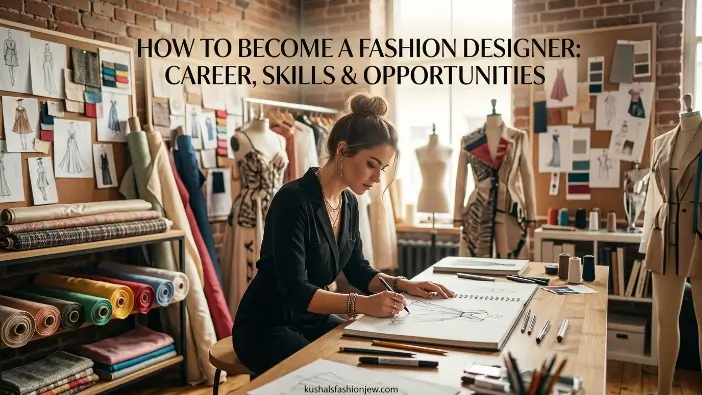
To become a successful fashion designer, having talent alone is not enough. Designers must master a combination of creative, technical, and interpersonal skills that allow them to bring innovative ideas to life while meeting industry standards. Essential skills include the ability to think creatively, work with various tools and fabrics, understand market trends, and communicate effectively with clients, manufacturers, and team members. Developing these skills ensures that a designer can produce designs that are not only visually appealing but also practical and commercially viable.
Creativity and Innovation
A fashion designer relies heavily on creativity to produce unique and original designs that stand out in a competitive market. Creativity involves generating fresh ideas, experimenting with new materials, and combining colors, patterns, and textures in ways that captivate audiences. Innovative thinking allows designers to anticipate trends and introduce concepts that push the boundaries of conventional fashion.
Beyond imagination, innovation also includes problem-solving skills. For instance, a designer might need to adjust a concept to make it suitable for mass production or adapt designs to meet client requirements without compromising style. The ability to balance creativity with practicality is what separates a talented designer from an ordinary one.
Technical Skills
Technical skills are essential for turning a fashion designer’s ideas into reality. These skills include sewing, pattern making, draping, and understanding garment construction, which help designers create pieces that are both functional and visually appealing. Proficiency in digital tools such as Adobe Illustrator, Photoshop, and CAD software has become equally important in modern fashion design, allowing designers to create precise sketches and prototypes efficiently.
Additionally, technical expertise helps designers communicate effectively with manufacturers and production teams. Knowing how fabrics behave, how garments fit, and how to maintain quality standards ensures that designs move smoothly from concept to final product. This foundation allows designers to execute their creative vision accurately and professionally.
Trend Awareness and Market Research
A successful fashion designer must be aware of the latest fashion trends, cultural influences, and market demands. Understanding what consumers want, which styles are gaining popularity, and how fashion cycles work allows designers to create relevant and appealing collections. Researching trends also helps designers avoid producing outdated or impractical designs.
Market research goes hand-in-hand with trend awareness. Designers analyze competitors, study consumer behavior, and track sales data to make informed decisions. This combination of trend knowledge and market insight ensures that designs are not only creative but also commercially successful, giving designers a competitive edge in the industry.
Communication and Collaboration Skills
Strong communication and collaboration skills are crucial for a fashion designer to succeed in a professional environment. Designers regularly interact with clients, team members, stylists, manufacturers, and marketers to ensure their ideas are understood and executed properly. Clear communication prevents misunderstandings and ensures the final product matches the original vision.
Collaboration also involves being receptive to feedback and working effectively in a team. A designer may need to adapt ideas based on client requests, production constraints, or market demands. Building positive relationships within the industry not only improves workflow but also helps in networking and career growth, making interpersonal skills as important as technical expertise.
Education and Training Path for Fashion Designers
To become a successful fashion designer, formal education and practical training play a crucial role in developing both creative and technical skills. While natural talent is important, structured learning helps designers understand design principles, garment construction, textile science, and industry standards. Combining classroom education with hands-on experience prepares aspiring designers to meet the demands of a highly competitive fashion industry and equips them with the confidence to launch a professional career.
Formal Education Options
One of the most common pathways to becoming a fashion designer is through formal education, such as bachelor’s degrees, diplomas, or specialized certification programs in fashion design. These programs cover essential topics like design theory, pattern making, sewing techniques, textile science, and color theory. Students also learn to use industry-standard software for digital sketches and technical drawings, which is increasingly important in modern fashion design.
Formal education also exposes students to portfolio development, presentation skills, and fashion business knowledge. Many programs include workshops, live projects, and opportunities to showcase work at fashion shows or exhibitions. Graduating from a recognized institution can enhance credibility and improve employment prospects within fashion houses, design studios, and established brands.
Online Courses and Workshops
In addition to traditional education, fashion designers can benefit from online courses and workshops that focus on specific skills or trends. Platforms offering digital learning allow students to study design software, trend forecasting, or fashion illustration from anywhere in the world. These courses are often flexible, making them ideal for working professionals or self-learners who want to improve their expertise.
Workshops, whether online or in-person, provide practical, hands-on experience with fabrics, sewing techniques, and experimental design processes. They also allow designers to interact with industry experts, receive feedback, and learn contemporary methods that are often not covered in formal programs. Continuous learning through online resources helps designers stay current and competitive in a fast-changing industry.
Internships and Apprenticeships
Gaining real-world experience is critical for aspiring fashion designers, and internships or apprenticeships offer invaluable opportunities. Working under experienced designers in fashion houses, studios, or production units allows students to apply their skills in professional settings. Interns learn about the workflow, deadlines, client interactions, and production challenges that are essential for career readiness.
Apprenticeships also help aspiring designers build industry networks, gain mentorship, and understand market expectations. Hands-on experience in creating collections, managing projects, and observing trend adaptation provides insights that classroom learning alone cannot offer. Combining education with practical experience ensures that designers are well-prepared to enter the competitive fashion industry successfully.
Career Opportunities for Fashion Designers
A career as a fashion designer offers a wide range of opportunities, reflecting the diversity and dynamism of the fashion industry. Designers can work in traditional settings like fashion houses or brands, pursue freelance work, launch their own businesses, or explore specialized roles such as costume design or fashion illustration. Each path allows designers to apply creativity and technical skills while building a professional reputation. The variety of options ensures that individuals can choose a career that aligns with their interests, skills, and long-term goals, whether it involves hands-on design, business management, or creative consulting.
Working in Fashion Houses or Brands
One of the most traditional paths for a fashion designer is joining an established fashion house or brand. In this role, designers create seasonal collections that align with the brand’s vision, values, and target audience. They collaborate closely with a team of designers, marketers, and production staff to ensure that each piece meets quality standards and commercial viability. Working in a recognized brand provides exposure to large-scale production processes, access to industry-standard tools, and mentorship from experienced professionals.
Additionally, designers in fashion houses gain experience managing tight deadlines, adapting designs for mass production, and responding to consumer trends. This environment fosters professional growth and helps designers understand the business side of fashion. Many successful designers begin their careers in brands to build credibility before transitioning to freelance work or launching their own label.
Freelance Fashion Designer
Freelance work offers fashion designers creative independence and flexibility. Freelancers take projects from individual clients, boutiques, or even brands, allowing them to experiment with different styles and techniques. This path provides freedom to focus on niche markets, such as custom couture, sustainable fashion, or avant-garde designs, which may not fit into mainstream fashion lines. Freelancing also enables designers to build a personal brand and showcase a unique design philosophy to a global audience.
However, freelancing comes with its challenges. Designers must manage client relationships, marketing, project deadlines, and finances independently. Success requires not only creative talent but also entrepreneurial skills, self-discipline, and strategic networking. Freelance designers who combine originality with professionalism often enjoy high demand and the ability to shape their career trajectory according to their vision.
Entrepreneurial Opportunities (Own Boutique or Online Store)
For designers with an entrepreneurial mindset, launching a boutique or online store can be a rewarding career option. Owning a brand allows a fashion designer to create signature collections, control production, and establish a unique identity in the market. This path offers complete creative freedom, enabling designers to explore personal styles, introduce innovative products, and connect directly with customers.
Running a fashion business requires a combination of creativity and business acumen. Designers must handle product development, inventory management, marketing strategies, and customer engagement. Modern tools like e-commerce platforms, social media, and digital marketing make it possible for emerging designers to reach global audiences, making entrepreneurship a viable and lucrative avenue for building long-term success in fashion.
Other Roles: Stylist, Fashion Illustrator, Costume Designer
A fashion designer can also pursue specialized roles that leverage their skills in unique ways. Stylists work on personal styling for clients, fashion shoots, advertisements, or celebrity wardrobes, ensuring that outfits align with individual or brand identity. Fashion illustrators create visual representations of designs for portfolios, media, or marketing campaigns, helping designers communicate ideas clearly before production.
Costume designers are essential in theater, film, and television, designing outfits that reflect characters, historical periods, or thematic concepts. These roles require creativity, research skills, and collaboration with directors, performers, and production teams. Exploring these alternative career paths allows designers to apply their skills beyond conventional fashion collections while gaining recognition in niche industries.
Steps to Build a Successful Fashion Design Career
Building a successful career as a fashion designer requires more than natural talent or creativity; it demands strategy, dedication, and continuous learning. A strong career path combines skill development, hands-on experience, networking, and exposure to industry trends. Aspiring designers must not only master technical and creative abilities but also understand how to promote their work, connect with professionals, and adapt to a fast-paced, ever-changing fashion environment. Following structured steps helps designers turn their artistic vision into a sustainable career while gaining recognition in the competitive fashion industry.
Build a Strong Portfolio
A well-organized portfolio is the most important asset for a fashion designer, as it demonstrates creativity, technical skill, and a personal design identity. It should include sketches, mood boards, digital designs, photographs of completed garments, and examples of collaborative projects. A comprehensive portfolio allows potential employers, clients, or collaborators to quickly understand a designer’s style, versatility, and capability to bring ideas from concept to reality.
In addition, portfolios should tell a story, showing the process of a design from inspiration and concept development to final production. Including a mix of different designs, such as casual wear, formal wear, and experimental pieces, highlights flexibility and skill range. Regular updates are crucial to reflect current trends, new skills, and a designer’s evolving aesthetic, making the portfolio a living document of their professional growth.
Network Within the Fashion Industry
Networking is an essential step for any fashion designer to access opportunities and establish credibility. Building connections with peers, mentors, clients, and industry leaders can lead to internships, freelance work, collaborations, and employment in fashion houses. Attending industry events, joining professional organizations, and participating in online fashion communities help designers stay visible and informed about emerging trends and market opportunities.
Strong professional relationships also provide learning opportunities. Through networking, designers gain advice from experienced professionals, feedback on their work, and insights into successful strategies for presenting collections or marketing themselves. Developing a supportive network in the fashion industry is often as important as the designs themselves, as it opens doors that might otherwise remain inaccessible.
Stay Updated with Trends
Trend awareness is crucial for a fashion designer who wants to create relevant and commercially successful designs. Designers must track current fashion movements, popular fabrics, color schemes, seasonal styles, and consumer behavior. Attending fashion weeks, reading trend reports, and observing street style help designers anticipate what will resonate with audiences and adapt their designs accordingly.
Understanding trends also enables designers to integrate innovation with practicality. Instead of blindly copying popular styles, successful designers interpret trends to create original pieces that meet market demand. Staying updated ensures that collections are fresh, contemporary, and aligned with the expectations of clients, employers, or consumers, increasing the likelihood of success in the competitive fashion industry.
Seek Mentorship and Internships
Mentorship and internships are invaluable for aspiring fashion designers, as they provide practical experience, guidance, and professional insight that classroom education alone cannot offer. Working under experienced designers exposes students to real-world challenges, such as production timelines, client requirements, and team coordination, helping them build confidence and technical competence.
Internships also foster professional connections and help designers understand the workflow of a fashion house, brand, or design studio. Mentors provide feedback on work, career advice, and guidance on portfolio development. Combining hands-on experience with mentorship ensures that aspiring designers acquire the skills, discipline, and understanding necessary to excel in the industry.
Attend Fashion Shows and Exhibitions
Attending fashion shows, exhibitions, and trade fairs is a critical step for a fashion designer to gain exposure, inspiration, and industry recognition. These events allow designers to showcase their work, understand competitor collections, and connect with industry leaders, media, and potential clients. Observing runway presentations helps designers learn about styling, fabric choices, garment construction, and consumer response to new trends.
Participation also sparks creativity and provides valuable insights into the commercial side of fashion. Designers can study what works in the market, which colors, patterns, and silhouettes are trending, and how to present collections professionally. Regular engagement with fashion events ensures that designers remain inspired, informed, and connected, enhancing both their creative and career development.
Common Mistakes Aspiring Fashion Designers Make
Even the most talented individuals can struggle to succeed as a fashion designer if they overlook certain key aspects of training, preparation, and industry knowledge. Many aspiring designers focus solely on creativity while neglecting practical skills, market awareness, or professional presentation. Recognizing and avoiding these common mistakes early can save time, improve learning, and accelerate career growth. Understanding the pitfalls helps aspiring designers develop a balanced approach that combines talent, technical skill, and industry insight.
Neglecting Practical Skills
One of the biggest mistakes a budding fashion designer can make is neglecting practical skills such as sewing, draping, pattern-making, and garment construction. While creative ideas are important, understanding how fabrics behave, how garments fit, and how to execute designs technically is equally critical. Without these skills, even the most imaginative designs may fail to translate into wearable, high-quality clothing.
Practical skills also build confidence and independence. A designer who can create prototypes or sample garments can experiment freely, adjust designs, and communicate ideas more effectively with manufacturers. This hands-on experience forms the foundation of a professional career and ensures that creativity is supported by strong technical capability.
Not Creating a Portfolio Early
Many aspiring fashion designers delay creating a portfolio, thinking it can wait until they have more experience. This is a critical mistake, as a portfolio is essential for showcasing skills, style, and growth potential to clients, employers, and collaborators. Starting early allows designers to document projects, experiment with ideas, and reflect on their progress over time.
A strong portfolio demonstrates versatility, professionalism, and originality. By collecting sketches, prototypes, photographs, and digital designs from the beginning of their training, designers can present a cohesive body of work that evolves with their skills. Waiting too long can result in missed opportunities and an incomplete representation of one’s abilities.
Ignoring Fashion Trends
Staying disconnected from current fashion trends is another common mistake among aspiring fashion designers. Understanding trends is crucial because it informs design decisions, ensures commercial relevance, and helps designers predict what consumers will want in upcoming seasons. Ignoring trends can lead to outdated designs or collections that fail to resonate with the target audience.
Designers should study runway shows, fashion reports, consumer behavior, and street style to remain informed. Trend awareness does not mean copying; rather, it allows designers to innovate while remaining market-relevant. Those who fail to integrate trends risk limiting their career potential and the commercial appeal of their work.
Failing to Learn Digital Design Tools
In today’s fashion industry, proficiency with digital design tools is essential for any fashion designer. Programs like Adobe Illustrator, Photoshop, CAD software, and 3D design tools allow designers to create precise sketches, technical drawings, and production-ready templates. Relying solely on hand sketches can limit a designer’s efficiency and professional opportunities.
Digital skills also improve communication with manufacturers, clients, and collaborators. Designers who can present polished, accurate designs digitally are more likely to secure freelance projects, internships, or positions in established fashion houses. Failing to learn these tools puts aspiring designers at a competitive disadvantage in a technology-driven industry.
Frequently Asked Questions
What does a fashion designer do?
A fashion designer creates clothing, accessories, and footwear by combining creativity, technical skill, and an understanding of market trends. They develop concepts, sketch designs, select fabrics, and oversee production to ensure garments are both visually appealing and functional. Designers may work for fashion brands, freelance independently, or run their own businesses.
How can I become a fashion designer?
To become a fashion designer, you need a combination of education, practical experience, and creativity. Many designers pursue formal education in fashion design or related fields, participate in internships, and build a strong portfolio. Developing technical skills such as sewing, pattern-making, and digital design, along with staying updated on trends, is essential for career success.
What skills are essential for a fashion designer?
Key skills for a fashion designer include creativity, innovation, technical skills like sewing and digital design, trend awareness, and strong communication. Collaboration, networking, and understanding consumer preferences are also critical. A balanced mix of artistic talent and practical knowledge ensures a designer can create marketable and professional collections.
What are the career opportunities for fashion designers?
A fashion designer can work in fashion houses, brands, or as a freelancer. Other opportunities include launching a boutique or online store, working as a stylist, fashion illustrator, or costume designer for media and entertainment. Each role allows designers to apply their creativity while gaining experience in different aspects of the fashion industry.
How important is a portfolio for a fashion designer?
A portfolio is crucial for a fashion designer as it showcases skills, creativity, and professional growth. It should include sketches, completed garments, digital designs, and photos of projects. A strong portfolio demonstrates versatility and helps attract clients, employers, and collaborators, serving as a key tool for career advancement.
Conclusion
A career as a fashion designer is both creative and challenging, requiring a combination of talent, technical expertise, and industry awareness. Success in this field does not come from creativity alone; it demands continuous skill development, practical experience, and a thorough understanding of consumer trends. Building a strong portfolio, mastering digital tools, attending fashion shows, and seeking mentorship are essential steps that help designers refine their craft and showcase their abilities to potential employers, clients, and collaborators. By integrating creativity with practical knowledge, aspiring designers can ensure their work is both innovative and commercially viable.
Moreover, a fashion designer must actively engage with the fashion community to remain competitive. Networking, internships, and collaborations provide exposure to new ideas, professional guidance, and opportunities for career growth. Avoiding common mistakes, such as neglecting practical skills or delaying portfolio creation, can save valuable time and enhance credibility in the industry. Ultimately, the journey of a fashion designer is a blend of artistry, strategy, and perseverance. With dedication and continuous learning, aspiring designers can transform their passion into a successful, long-term career that not only influences fashion trends but also leaves a lasting impact on the industry.