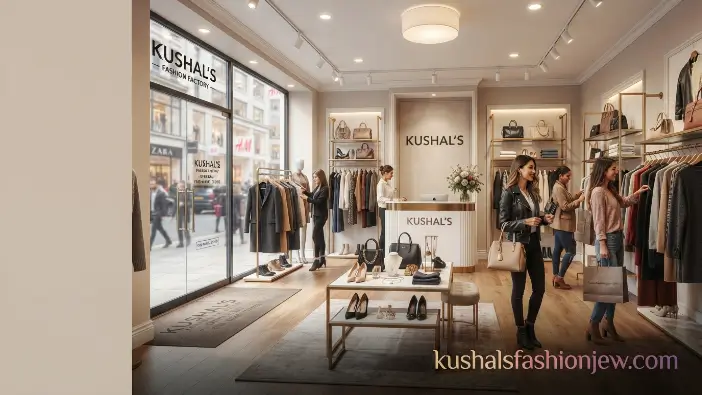
Welcome to kushals fashion jew. Fashion has become more accessible than ever, thanks to the growth of fashion factories and factory outlet stores that offer stylish clothing at competitive prices. Whether you’re searching for affordable everyday wear, branded apparel, or looking to understand how garments are manufactured, knowing how fashion factories operate can help you make smarter purchasing decisions. These facilities play an important role in the fashion supply chain by producing, inspecting, and distributing clothing for retailers and consumers around the world.
Beyond manufacturing, the term fashion factory is also commonly associated with factory outlet shopping, where customers can find quality clothing, footwear, and accessories at discounted prices. From women’s and men’s fashion to children’s clothing and seasonal collections, fashion factories provide a wide variety of products while helping brands manage inventory efficiently. This guide explains how fashion factories work, the different types available, their benefits, and practical tips for choosing high-quality clothing.
What Is a Fashion Factory?
A fashion factory is a business or production facility involved in designing, manufacturing, finishing, or selling clothing and fashion accessories. Depending on the context, the term may refer to a garment manufacturing factory where apparel is produced or a factory outlet store that sells clothing directly to consumers at discounted prices. Both play essential roles in making fashion products widely available.Fashion factories combine skilled craftsmanship with modern production techniques to create garments that meet quality standards while maintaining efficiency. They support fashion brands by transforming designs into finished products and ensuring that clothing reaches retail stores or online shoppers on time.
Definition
In the manufacturing industry, a fashion factory is responsible for producing clothing through several carefully managed stages, including fabric sourcing, pattern making, cutting, sewing, quality inspection, packaging, and distribution. These factories may specialize in casual wear, formal clothing, sportswear, denim, footwear, or fashion accessories. Their goal is to produce high-quality garments efficiently while meeting brand requirements.
For shoppers, the term often refers to fashion factory outlet stores, where branded or private-label clothing is sold at discounted prices. These outlets typically offer previous-season collections, outlet-exclusive products, or excess inventory, allowing customers to purchase quality fashion at more affordable prices.
How Fashion Factories Work
A fashion factory follows a structured production process to ensure every garment meets quality and design standards. The process begins with product design and fabric sourcing before moving through pattern making, cutting, sewing, quality inspection, finishing, packaging, and distribution. Modern factories use advanced machinery and digital technology to improve efficiency, reduce waste, and maintain consistent product quality.
Quality control teams inspect garments at different production stages, checking stitching, measurements, fabric quality, and finishing details. Once approved, the clothing is packaged and delivered to retailers, factory outlet stores, or online fulfillment centers, ensuring customers receive products that meet expected standards.
Fashion Factory vs. Fashion Outlet
Although these terms are sometimes used interchangeably, they have different meanings. A fashion factory is a manufacturing facility where clothing is designed, produced, inspected, and packaged before being distributed to retailers or brands. Its primary focus is efficient garment production while maintaining quality standards.
A fashion outlet, on the other hand, is a retail store that sells finished clothing directly to consumers, usually at discounted prices. These stores often offer previous-season collections, overstock items, or outlet-exclusive products, making quality fashion more affordable for shoppers.
| Feature | Fashion Factory | Fashion Outlet |
| Primary Purpose | Manufactures clothing | Sells finished clothing |
| Main Customers | Fashion brands and retailers | Individual shoppers |
| Activities | Production, quality control, packaging | Retail sales and customer service |
| Products | Garments before retail distribution | Ready-to-wear clothing and accessories |
| Focus | Manufacturing efficiency | Affordable shopping and discounts |
Understanding this distinction helps consumers recognize whether they are purchasing directly from an outlet retailer or learning about the manufacturing side of the fashion industry.
Read Also: Max Fashion near me
Types of Fashion Factories
Fashion factories come in different forms, with each type serving a specific purpose in the clothing and apparel industry. Some factories focus on producing garments for global fashion brands, while others specialize in fabric manufacturing, wholesale production, or private-label services. Together, they form an essential part of the fashion supply chain, helping transform ideas into finished products.Understanding the different types of fashion factories helps businesses choose the right manufacturing partner and allows consumers to better understand how clothing is produced before it reaches retail stores or online marketplaces.
Garment Manufacturing Factories
Garment manufacturing factories are responsible for turning fabric into finished clothing. They handle every stage of production, including cutting, sewing, stitching, finishing, and quality inspection. These factories produce a wide range of apparel such as T-shirts, dresses, jeans, jackets, uniforms, sportswear, and formal clothing for both local and international brands.
Many garment factories use advanced machinery alongside skilled workers to improve efficiency and maintain consistent product quality. Large manufacturers can produce thousands of garments daily while meeting strict quality standards and delivery deadlines for fashion retailers around the world.
Textile Factories
Textile factories produce the fabrics that are later used to manufacture clothing. They process natural and synthetic fibers into materials such as cotton, polyester, denim, linen, silk, and blended fabrics. These factories are the starting point of the clothing production process.
In addition to fabric production, many textile factories perform dyeing, printing, and finishing treatments that improve the appearance, strength, softness, and durability of the material. The finished fabrics are then supplied to garment manufacturers for clothing production.
Factory Outlet Stores
Factory outlet stores are retail locations where customers can buy clothing, footwear, and accessories at discounted prices. These stores often sell previous-season collections, overstock inventory, or outlet-exclusive products, making fashionable clothing more affordable for budget-conscious shoppers.
Many factory outlets offer products from well-known brands while maintaining good quality standards. Shoppers can often find a wide variety of styles, sizes, and seasonal collections at prices that are lower than those found in traditional retail stores.
Wholesale Fashion Factories
Wholesale fashion factories manufacture clothing in bulk for retailers, distributors, and online businesses rather than selling directly to individual customers. Their large-scale production helps businesses purchase products at competitive prices and maintain consistent inventory.
Many clothing brands and small businesses rely on wholesale manufacturers because they can order ready-made garments in large quantities without investing in their own production facilities. This approach reduces manufacturing costs and supports business growth.
Private Label Manufacturers
Private-label manufacturers produce clothing that businesses sell under their own brand names. These factories customize garments according to the retailer’s requirements, including labels, packaging, colors, materials, and product designs, allowing brands to create unique collections.
Private-label manufacturing has become increasingly popular among startups and established fashion companies because it enables them to build their own brand identity without owning a factory. This flexible production model allows businesses to introduce exclusive products while focusing on marketing and customer experience.
How Clothing Is Manufactured
The journey from a clothing idea to a finished garment involves several carefully managed stages. Every step plays an important role in ensuring quality, durability, and customer satisfaction. Modern fashion factories combine skilled craftsmanship with advanced machinery and technology to produce clothing efficiently while maintaining consistent standards.From the initial design concept to the final delivery, each stage is carefully monitored to minimize errors and maintain product quality. Understanding this manufacturing process helps consumers appreciate the work involved in creating the clothing they wear every day.
Designing
Every garment begins with a creative idea. Fashion designers study current fashion trends, customer preferences, seasonal colors, and market demand before creating sketches or digital designs. They carefully select styles, fabrics, and design details to ensure the final product is both attractive and practical for its target audience.
Once the design is complete, sample garments are created to evaluate their fit, comfort, appearance, and functionality. Designers review these prototypes, make any necessary improvements, and finalize the design before it moves into large-scale manufacturing.
Fabric Selection
Fabric selection is a crucial step in clothing manufacturing because it directly affects a garment’s comfort, durability, appearance, and overall performance. Manufacturers choose materials such as cotton, polyester, linen, denim, rayon, wool, or recycled fabrics based on the garment’s purpose, quality requirements, and customer preferences.
Before production begins, the selected fabric undergoes quality testing to check its strength, color consistency, shrinkage, softness, and durability. This process ensures the fabric meets industry standards and can withstand regular wear and washing while maintaining its quality and appearance.
Pattern Making
Pattern making converts a fashion design into precise templates that guide the cutting and assembly of every garment. Professional pattern makers create accurate measurements for different sizes, ensuring consistency and proper fitting throughout the production process. Many modern factories use computer-aided design (CAD) software to improve precision and reduce material waste.
Before mass production starts, sample garments are created from these patterns and tested for fit, comfort, and appearance. Any required adjustments are made to ensure the final product meets both customer expectations and design specifications.
Why Pattern Making Matters:
- Ensures consistent sizing
- Reduces production errors
- Improves fabric efficiency
- Supports faster manufacturing
- Maintains garment quality
Cutting
Once the patterns are approved, the fabric is carefully spread across large cutting tables or fed into automated cutting machines. Precision is essential at this stage because every fabric piece must match the pattern exactly. Even small cutting mistakes can affect the garment’s fit, appearance, and overall quality while increasing production costs through wasted material.
Modern fashion factories use computerized cutting technology to improve accuracy, speed, and fabric efficiency. These machines help reduce waste by arranging pattern pieces in the most efficient layout. After cutting, each fabric piece is carefully labeled, sorted by size and style, and sent to the sewing department, ensuring the assembly process runs smoothly and accurately.
Best Practices in Fabric Cutting:
- Accurate pattern alignment
- Efficient fabric utilization
- Consistent cutting precision
- Careful inspection before assembly
Sewing
The sewing stage is where individual fabric pieces are stitched together to create the finished garment. Skilled sewing machine operators carefully assemble different parts, such as collars, sleeves, pockets, cuffs, waistbands, and linings, by following detailed production instructions. Accurate stitching is essential to ensure the garment is durable, comfortable, and has a professional appearance.
In large fashion factories, sewing is usually organized using an assembly-line system, where each worker is responsible for a specific task. This method increases production speed while maintaining consistent quality. After the main garment is assembled, additional components such as buttons, zippers, labels, embroidery, or decorative details are attached before the product moves to the quality inspection stage.
Quality Inspection
Quality inspection is a crucial stage in clothing manufacturing that ensures every garment meets the required quality standards before it reaches customers. Inspectors carefully examine each product for stitching accuracy, fabric defects, correct sizing, color consistency, label placement, and the proper functioning of buttons, zippers, and other accessories. This detailed inspection helps identify any issues that could affect the garment’s appearance or performance.
If any defects are found, the garments are either repaired or removed from the production line before packaging. This quality control process helps maintain brand reputation, reduces product returns and customer complaints, and ensures that only well-made, reliable clothing is delivered to retail stores and online shoppers.
Packaging
After passing the quality inspection, garments are pressed, folded, tagged, and packaged according to the brand’s or retailer’s requirements. Proper packaging protects clothing from dust, moisture, wrinkles, and damage during storage and transportation while ensuring the products reach customers in excellent condition. It also improves product presentation, creating a better shopping and unboxing experience.
Many fashion companies are now using eco-friendly packaging materials, including recyclable boxes, biodegradable bags, and reusable packaging, to reduce waste and support sustainable business practices. These environmentally responsible solutions help minimize the fashion industry’s environmental impact while meeting the growing demand for sustainable products.
Distribution
Distribution is the final stage of the clothing manufacturing process, where finished garments are delivered from the factory to warehouses, retail stores, factory outlets, or e-commerce fulfillment centers. From there, the products are shipped to customers through various sales channels. An efficient distribution system ensures that clothing reaches the right location at the right time while maintaining product quality during transportation.
Modern fashion companies use advanced logistics and inventory management systems to monitor stock levels, track shipments in real time, and coordinate deliveries more effectively. A well-organized distribution network helps reduce delays, prevent stock shortages, and ensure customers can easily find the products they want both in physical stores and online.
Products Commonly Found at Fashion Factory Stores
Fashion factory stores offer a wide range of clothing, footwear, and accessories designed to meet different styles, budgets, and seasonal needs. They often combine everyday essentials with the latest fashion trends, allowing shoppers to find quality products at competitive prices. Whether you’re shopping for yourself or your family, these stores provide a convenient one-stop destination for affordable fashion.
Women’s Clothing
Women’s clothing sections offer a wide range of stylish and practical apparel designed for casual wear, work, formal events, and special occasions. Fashion factory stores regularly update their collections with the latest trends while also stocking timeless wardrobe essentials, giving shoppers plenty of options to suit different styles and budgets.
From everyday basics to seasonal fashion, these stores provide quality clothing at competitive prices. Customers can easily find outfits for different occasions while benefiting from frequent discounts and promotions, making it easier to stay fashionable without overspending.
Common women’s clothing includes:
- Dresses: One-piece outfits for casual or formal wear.
- Tops and Blouses: Upper-body clothing for everyday or office wear.
- Jeans: Durable denim pants for casual outfits.
- Skirts: Stylish bottom wear available in various lengths.
- Trousers: Comfortable pants for casual and formal occasions.
- Jackets: Outerwear that provides warmth and style.
- Activewear: Clothing designed for sports and fitness activities.
- Sleepwear: Comfortable clothing for sleeping and relaxing.
Many factory outlets also stock seasonal collections, office wear, and occasion outfits, giving shoppers access to fashionable clothing at more affordable prices.
Men’s Clothing
Men’s clothing collections include a wide range of stylish and comfortable apparel for everyday wear, work, sports, and formal occasions. Fashion factory stores offer both classic essentials and modern designs, making it easy for shoppers to find quality clothing at affordable prices.
These collections are designed to provide durability, comfort, and versatility while meeting different fashion preferences. Regular discounts and seasonal offers also make factory stores a popular choice for budget-conscious shoppers.
Popular men’s clothing includes:
- T-shirts: Casual shirts with short or long sleeves for everyday wear.
- Polo Shirts: Collared shirts that offer a smart-casual look.
- Shirts: Button-up garments suitable for formal and casual occasions.
- Jeans: Durable denim pants designed for everyday comfort.
- Chinos: Lightweight cotton trousers for a neat casual style.
- Jackets: Outerwear that provides warmth and adds style.
- Hoodies: Comfortable sweatshirts with a hood for casual wear.
- Sportswear: Clothing designed for sports, workouts, and active lifestyles.
- Formal Wear: Elegant clothing suitable for business meetings and special events.
These collections are designed to provide versatile wardrobe options while maintaining quality and value for money.
Kids’ Fashion
Kids’ fashion includes comfortable, durable, and stylish clothing designed for babies, toddlers, and older children. Fashion factory stores offer a wide variety of outfits suitable for school, play, sports, and special occasions, making it easy for parents to find clothing for every need.
These collections are made from soft, child-friendly fabrics that provide comfort and freedom of movement throughout the day. With affordable prices and regular seasonal collections, factory stores help parents buy quality clothing while staying within their budget.
Common children’s clothing includes:
- School Clothing: Uniforms and outfits designed for daily school wear.
- Casual Outfits: Comfortable clothing for everyday activities and play.
- Baby Clothing: Soft garments specially made for infants and toddlers.
- Jackets: Outerwear that provides warmth and protection in cooler weather.
- Sleepwear: Comfortable clothing designed for sleeping and relaxing.
- Party Wear: Stylish outfits suitable for celebrations and special occasions.
- Sportswear: Clothing made for sports, exercise, and active play.
Because children quickly outgrow their clothes, many parents choose factory outlets to purchase quality garments at budget-friendly prices.
Footwear
Many fashion factory stores offer a wide variety of footwear to match their clothing collections. Customers can choose from casual, formal, sports, and seasonal shoes, making it easy to complete their outfits in one place.
These footwear collections are designed to provide comfort, durability, and style for different occasions. With regular discounts and new arrivals, shoppers can find quality shoes at affordable prices.
Popular footwear options include:
- Sneakers: Comfortable shoes designed for casual wear and everyday use.
- Sandals: Open-toe footwear ideal for warm weather and casual outings.
- Formal Shoes: Elegant shoes suitable for business, office, and formal occasions.
- Boots: Sturdy footwear that provides extra support and protection.
- Flats: Flat-heeled shoes that offer comfort for daily wear.
- Loafers: Slip-on shoes that combine comfort with a smart-casual style.
- Running Shoes: Lightweight athletic shoes designed for running and other fitness activities.
Footwear collections are regularly updated to match seasonal trends while maintaining comfort, durability, and style.
Accessories
Accessories help complete an outfit while adding style and personality to a person’s overall look. Fashion factory stores offer a wide range of affordable accessories for everyday wear, work, travel, and special occasions, making it easy for shoppers to find matching items in one place.
From practical essentials to fashion-forward pieces, these accessories enhance both appearance and convenience. With regular discounts and seasonal collections, customers can update their style without spending a lot of money.
Common accessories include:
- Handbags: Stylish bags used to carry personal belongings.
- Backpacks: Bags with shoulder straps for carrying everyday essentials.
- Belts: Accessories worn around the waist for support and style.
- Wallets: Small cases used to store cash, cards, and identification.
- Hats: Headwear that provides style and protection from the sun.
- Scarves: Fabric accessories worn around the neck for warmth or fashion.
Adding accessories is an easy way to refresh your style without purchasing an entirely new wardrobe.
Seasonal Collections
Fashion factory stores introduce new seasonal collections throughout the year to match changing weather conditions and the latest fashion trends. These collections feature clothing made with suitable fabrics, colors, and styles for each season, helping customers stay comfortable while keeping their wardrobes up to date.
Shopping seasonal collections also gives customers access to fresh arrivals and special promotions. During seasonal changes, many factory stores offer discounts on previous collections, making it an excellent time to purchase quality clothing at lower prices.
Examples include:
| Season | Popular Products |
| Spring | Light jackets, dresses, shirts |
| Summer | T-shirts, shorts, sandals |
| Autumn | Hoodies, jeans, knitwear |
| Winter | Coats, sweaters, boots |
Shopping during seasonal transitions or end-of-season sales often provides excellent opportunities to purchase high-quality clothing at discounted prices.
Benefits of Shopping at Fashion Factory Stores
Fashion factory stores are popular because they offer quality clothing at affordable prices while providing a wide variety of products for the whole family. Whether you’re looking for everyday essentials, seasonal fashion, or branded apparel, these stores make it easier to shop within your budget without compromising on style.
Lower Prices
One of the biggest advantages of shopping at fashion factory stores is the ability to purchase quality clothing at lower prices than traditional retail stores. Many items are discounted because they come from previous-season collections, overstock inventory, or outlet-exclusive product lines, making fashionable apparel more affordable.
These lower prices allow shoppers to save money without compromising on quality or style. Whether buying everyday essentials or seasonal fashion, customers can often find excellent deals that fit their budget while still enjoying a wide selection of products.
Large Product Selection
Fashion factory stores offer a wide variety of clothing, footwear, and accessories for women, men, and children. Customers can choose from casual wear, formal outfits, sportswear, shoes, bags, and other fashion essentials, making it easy to find products for different occasions and personal styles.
The large product selection allows shoppers to compare styles, sizes, and prices in one place. This convenience saves time and helps families complete multiple purchases during a single shopping trip while enjoying a broader range of choices.
Seasonal Discounts
Fashion factory stores frequently introduce seasonal discounts during holidays, end-of-season sales, festive events, and clearance promotions. These special offers help customers buy quality clothing, footwear, and accessories at lower prices while keeping up with the latest fashion trends. Seasonal sales also make it more affordable to refresh wardrobes as weather conditions and fashion collections change throughout the year.
Many retailers provide additional savings through clearance racks, buy-one-get-one (BOGO) offers, loyalty rewards, bundle deals, and limited-time promotions. Shopping during these sales allows customers to purchase premium products at reduced prices, making seasonal discounts one of the biggest advantages of shopping at fashion factory stores.
Common seasonal promotions include:
- End-of-season markdowns
- Buy-one-get-one offers
- Clearance racks
- Holiday promotions
- Loyalty member discounts
Factory Direct Value
Factory-direct shopping gives customers access to quality clothing at competitive prices by reducing the extra costs often added through traditional retail channels. Many fashion factory stores work closely with manufacturers or well-known brands, allowing shoppers to purchase products that offer excellent value for money.
In addition to lower prices, factory-direct stores often maintain high quality standards while offering a wide selection of clothing, footwear, and accessories. This combination of affordability and reliable quality makes factory-direct shopping an attractive option for budget-conscious consumers.
One-Stop Shopping
One-stop shopping is one of the biggest advantages of fashion factory stores because customers can purchase clothing, footwear, and accessories in a single location. Instead of visiting multiple stores, shoppers can easily find everything they need for work, casual wear, sports, or special occasions, making the shopping experience faster and more convenient.
This convenience also helps save both time and money. Customers can compare different styles, sizes, brands, and prices in one place, complete entire outfits during a single visit, and take advantage of store-wide promotions or bundle offers for even greater value.
How to Choose High-Quality Clothing
Choosing high-quality clothing is about more than simply finding the lowest price. Well-made garments are usually crafted from better materials and feature stronger stitching, providing greater comfort, durability, and a more polished appearance. Although they may cost slightly more upfront, they often last much longer, resist wear and tear, and maintain their shape and color after repeated washing. By carefully checking the fabric, stitching, fit, brand reputation, and care labels before making a purchase, you can invest in clothing that offers better long-term value, reduces the need for frequent replacements, and helps build a reliable, long-lasting wardrobe.
Fabric Quality
Fabric quality is one of the most important factors to consider when choosing clothing because it directly affects comfort, durability, appearance, and overall performance. High-quality fabrics feel better against the skin, last longer, and maintain their shape and color even after repeated washing. Natural fibers such as cotton, linen, and wool are valued for their softness, breathability, and moisture absorption, while synthetic materials like polyester offer greater wrinkle resistance, strength, and easy maintenance.
Before purchasing a garment, always check the fabric label to understand its composition and care requirements. The label provides useful information about the materials used, helping you determine whether the clothing is suitable for your lifestyle, climate, and intended use. Choosing the right fabric ensures better comfort, longer-lasting wear, and greater value for your investment.
Stitching
Stitching is an important indicator of a garment’s overall quality and durability. Well-made clothing features straight, even stitches, reinforced seams, and securely finished hems that help the fabric stay together during regular wear and repeated washing. Strong stitching also improves the garment’s fit, appearance, and lifespan by reducing the risk of loose threads or torn seams.
Before buying clothing, carefully inspect the stitching for consistency and neatness. Avoid garments with uneven stitches, loose threads, or poorly finished seams, as these may wear out more quickly. Choosing clothing with high-quality stitching ensures better durability, comfort, and long-term value.
Look for:
- Straight Seams: Seams stitched in a straight, even line.
- Even Stitching: Uniform stitches that improve durability.
- Reinforced Stress Points: Extra stitching in high-pressure areas.
- No Loose Threads: Clean finish without hanging threads.
- Secure Hems: Firm edges that prevent fraying.
Fit
Choosing clothing with the right fit is just as important as selecting high-quality fabric or strong stitching. A garment that fits properly not only looks more attractive but also provides greater comfort and freedom of movement throughout the day. Clothes that are too tight can feel restrictive, while oversized garments may appear untidy and affect your overall appearance. A well-fitted outfit enhances your confidence and ensures the clothing performs as intended.
Before purchasing clothing, try it on whenever possible or compare your body measurements with the brand’s size guide. Check that the shoulders sit correctly, the sleeves and pant legs have the proper length, and there is enough room for comfortable movement. Since sizing can vary between brands, taking a few extra minutes to verify the fit can help you avoid returns and ensure long-term satisfaction with your purchase.
When possible:
- Try clothing on before purchasing.
- Compare measurements with the size guide.
- Check shoulder alignment and sleeve length.
- Ensure comfortable movement.
Brand Reputation
A brand’s reputation can be a good indicator of the quality, durability, and reliability of its clothing. Well-established fashion brands often follow strict manufacturing standards, use better materials, and maintain consistent quality control, giving customers greater confidence in their purchases. Although lesser-known brands may also offer quality products, trusted brands usually have a proven track record of customer satisfaction.
Before buying clothing, take time to read customer reviews, ratings, and product feedback. These insights can help you understand how the garment fits, how well it holds up after washing, and whether it offers good value for money. Researching a brand’s reputation can help you make more informed purchasing decisions and reduce the risk of buying low-quality products.
Care Labels
Care labels provide essential instructions for washing, drying, ironing, and maintaining your clothing. Following these guidelines helps preserve the fabric’s quality, color, shape, and overall appearance while reducing the risk of shrinking, fading, or damage. Proper garment care can also extend the lifespan of your clothing, allowing you to enjoy it for a longer time.
Before purchasing a garment, take a moment to read the care label to understand its maintenance requirements. Some fabrics require hand washing, dry cleaning, or low-temperature ironing, while others can be machine washed. Following the recommended care instructions helps keep your clothes looking new and ensures you get the best value from your purchase.
Care labels usually include:
- Washing temperature
- Drying methods
- Ironing instructions
- Bleaching restrictions
- Fabric composition
Sustainable Fashion Manufacturing
As consumers become more environmentally conscious, fashion factories are adopting sustainable practices to reduce their impact on the planet. From responsibly sourced materials to energy-efficient production methods, manufacturers are finding ways to create high-quality clothing while conserving resources. Sustainable fashion also supports ethical labor practices, helping build a more transparent and responsible apparel industry.
Eco-Friendly Materials
Eco-friendly materials are becoming increasingly popular in the fashion industry as brands work to reduce their environmental impact. These fabrics are made from sustainable, organic, or recycled resources that require less water, energy, and fewer chemicals during production. Common examples include organic cotton, recycled polyester, hemp, bamboo, and TENCEL™ fibers.
Using eco-friendly materials helps reduce pollution, conserve natural resources, and minimize textile waste. For consumers, choosing clothing made from sustainable fabrics is a simple way to support environmentally responsible fashion while enjoying high-quality, durable garments that are designed with both people and the planet in mind.
Common sustainable materials include:
- Organic Cotton: Cotton grown without synthetic chemicals.
- Recycled Polyester: Polyester made from recycled plastic.
- Linen: A breathable fabric made from flax.
- Hemp: A strong, natural, and sustainable fiber.
- TENCEL™ Lyocell: A soft fiber made from wood pulp.
- Recycled Wool: Wool produced from recycled wool fibers.
- Bamboo-Based Fabrics: Soft fabric made from bamboo fibers.
Choosing garments made from these materials can support more sustainable purchasing decisions.
Ethical Production
Ethical production means manufacturing clothing in a way that respects workers’ rights, provides safe working conditions, pays fair wages, and follows responsible labor practices. Many fashion brands partner with certified factories that comply with international labor standards and regularly inspect their facilities to ensure these standards are maintained.
As consumers become more aware of social and environmental issues, ethical production has become an important factor when choosing clothing brands. Supporting companies that value fair treatment of workers and transparent manufacturing practices helps promote a more responsible and sustainable fashion industry.
Waste Reduction
Waste reduction is an important part of modern fashion manufacturing, helping factories lower costs while reducing their environmental impact. Many fashion factories use advanced cutting technology, digital pattern-making, and efficient production planning to maximize fabric usage and minimize leftover material.
In addition to reducing fabric waste, many manufacturers recycle textile scraps, reuse production materials, and adopt sustainable manufacturing practices to conserve resources. These efforts support a more environmentally responsible fashion industry while improving overall production efficiency.
Common waste-reduction strategies include:
- Digital pattern optimization
- Fabric recycling
- Reusing production scraps
- Water-saving dyeing technologies
- Energy-efficient machinery
These initiatives reduce production costs while supporting environmental sustainability.
Recycling Programs
Many fashion brands and retailers now operate recycling programs that encourage customers to return unwanted or used clothing instead of throwing it away. These initiatives help reduce textile waste by allowing garments to be reused, recycled into new materials, or donated to people in need when they are still in good condition.
Recycling programs also support a more sustainable fashion industry by conserving natural resources and reducing landfill waste. By participating in these programs, consumers can help extend the life cycle of clothing while contributing to environmental protection.
Future Trends in Fashion Factories
The future of fashion factories is being shaped by advanced technology, automation, and a stronger focus on sustainability. Manufacturers are adopting innovative production methods to improve efficiency, reduce costs, minimize environmental impact, and meet the growing demand for high-quality clothing. These advancements are helping fashion brands produce garments faster while responding more effectively to changing consumer preferences.
Automation
Automation is revolutionizing fashion manufacturing by replacing many manual tasks with advanced machines and computer-controlled equipment. Automated systems can perform fabric cutting, material handling, sewing assistance, packaging, and other production processes with greater speed, accuracy, and consistency than traditional methods. This helps manufacturers produce large quantities of clothing while maintaining high quality standards.
In addition to increasing productivity, automation reduces human error, minimizes fabric waste, lowers production costs, and shortens manufacturing time. By improving efficiency across the production line, fashion factories can respond more quickly to customer demand, deliver products faster, and remain competitive in the rapidly evolving apparel industry.
AI in Apparel Manufacturing
Artificial intelligence (AI) is transforming the fashion industry by helping manufacturers make faster and more accurate decisions throughout the production process. AI systems analyze customer demand, predict fashion trends, optimize production schedules, improve inventory management, and identify quality issues before products reach the market. This allows factories to reduce waste, lower costs, and improve overall efficiency.
AI also enables fashion brands to respond more quickly to changing consumer preferences by analyzing sales data and market trends in real time. With smarter forecasting and automated quality control, manufacturers can produce the right products at the right time, improving customer satisfaction while making the entire apparel manufacturing process more efficient and competitive.
Sustainable Production
Sustainable production aims to reduce the environmental impact of clothing manufacturing by using eco-friendly materials, energy-efficient technologies, and responsible production practices. Many fashion factories are investing in renewable energy, recycled fabrics, water-saving systems, and cleaner manufacturing processes to minimize pollution and conserve natural resources.
In addition to protecting the environment, sustainable production helps reduce waste, improve resource efficiency, and meet the growing demand for environmentally responsible fashion. As consumers become more conscious of sustainability, many brands are adopting greener manufacturing practices to create high-quality clothing with a lower environmental footprint.
Smart Factories
Smart factories use advanced technologies such as connected machines, Internet of Things (IoT) sensors, automation, and real-time data monitoring to manage every stage of the manufacturing process. These systems continuously track production performance, machine condition, and product quality, allowing manufacturers to identify problems quickly and make informed decisions. As a result, production becomes faster, more accurate, and more efficient.
By using real-time data and intelligent systems, smart factories reduce equipment downtime, improve quality control, optimize resource usage, and lower production costs. They also provide greater flexibility, enabling manufacturers to respond quickly to changes in customer demand and market trends. As technology continues to advance, smart factories are expected to play an increasingly important role in the future of the fashion industry.
Digital Fashion Supply Chains
Digital fashion supply chains use cloud-based software, real-time tracking systems, and connected technologies to manage every stage of the clothing production and delivery process. From sourcing raw materials to manufacturing, warehousing, shipping, and final delivery, these digital systems provide accurate, up-to-date information that helps manufacturers and retailers monitor products throughout the supply chain.
By using digital tools, fashion brands can improve inventory management, reduce delays, increase transparency, and respond more quickly to changes in customer demand. Real-time tracking also helps prevent stock shortages, optimize logistics, and ensure products reach stores or customers efficiently. As the fashion industry continues to adopt digital technologies, supply chains are becoming faster, smarter, and more reliable.
Frequently Asked Questions
What is a fashion factory?
A fashion factory is a facility where clothing is manufactured or a factory outlet store that sells apparel and accessories at discounted prices. The meaning depends on whether the term refers to production or retail.
Are fashion factory products original?
Yes. Reputable fashion factory stores generally sell genuine products from manufacturers or authorized brands. Some items may be previous-season collections or outlet-exclusive products.
Why are factory outlet prices lower?
Factory outlet prices are lower because stores often sell overstock items, previous-season collections, or factory-direct products with reduced retail markups.
Can I buy from fashion factory stores online?
Yes. Many fashion factory retailers operate official online stores, allowing customers to shop conveniently and have products delivered to their homes.
Are fashion factory clothes good quality?
Yes. Most fashion factory stores offer clothing that meets good quality standards. Checking the fabric, stitching, fit, and customer reviews can help you make a better purchase.
Conclusion
Fashion factories play a vital role in both clothing manufacturing and affordable retail shopping. They help transform creative designs into finished garments while making stylish apparel accessible to consumers through factory outlets and online stores. Understanding how clothing is produced from fabric selection and pattern making to quality inspection and distribution allows shoppers to make more informed purchasing decisions.
Whether you’re looking for budget-friendly fashion, exploring factory outlet shopping, or learning about the apparel manufacturing process, a fashion factory offers valuable insights into how the modern fashion industry operates. By focusing on quality, comparing prices, shopping strategically, and supporting sustainable manufacturing practices, you can build a wardrobe that balances style, value, and durability.